1 hr ago
Researcher Dies After Unknown Infection at Siberian Lab

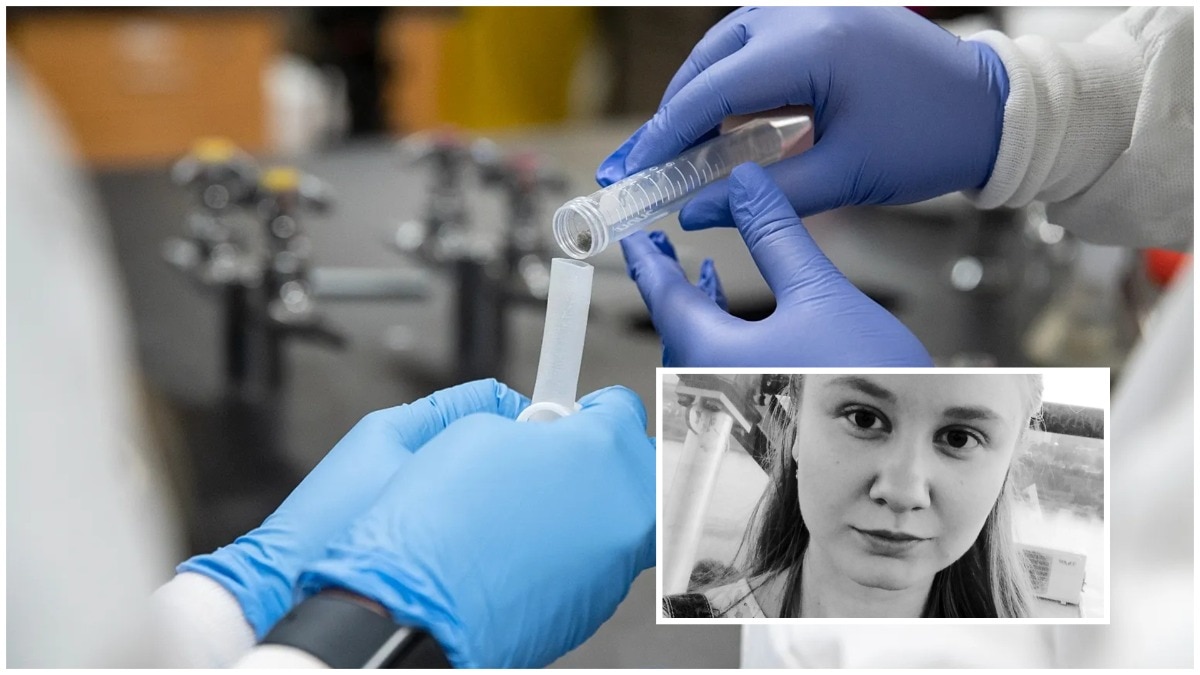
A 28-year-old researcher in Siberia became very sick with pneumonia and died.
She was treated at a hospital in Shelekhov.
Officials said they did not know what caused her illness.
Some reports suggested she may have caught an infection while travelling, while another suggested an accident in the laboratory.
These explanations have not been confirmed.
The hospital and laboratory were quarantined, and about 200 people were watched by medical staff.
A maternity hospital in the city was also put under quarantine.
Officials gave different views about whether the illness could have been plague, while the state health agency said the regional situation was stable.

A 28-year-old employee of the Irkutsk Anti-Plague Institute died after developing pneumonia of unknown cause.
She was admitted to Shelekhov Hospital on September 29 and died two days later.
Hospital staff and the institute were quarantined, while roughly 200 people were placed under medical observation.
Reports gave two unconfirmed possible infection sources: travel to Buryatia or a broken test tube at the laboratory.
Officials differed over whether the illness might have been plague; Rospotrebnadzor said the regional situation was stable.
- Who
- A 28-year-old employee of the Irkutsk Anti-Plague Institute died; hospital staff, institute personnel and about 200 people were subject to quarantine or medical observation.
- What
- Authorities investigated a suspected dangerous infection after the employee developed pneumonia of unknown cause and died.
- Where
- The incident was reported at the Anti-Plague Research Institute in Shelekhov, near Irkutsk, Siberia, Russia.
- When
- She was hospitalised on September 29 and died two days later; officials made statements and held a meeting on October 2. The year is not specified.
- Why
- The cause and source of the infection were unclear. Reports offered conflicting, unconfirmed accounts involving travel to Buryatia or a broken test tube at the lab.
Possible infection sources
Official assessments
How the researcher may have been infected
Possible infection sources
One reported account said she may have contracted an infection during a trip to Buryatia, where a plague outbreak had reportedly been reported near the Mongolian border.
Official assessments
Another reported account said she may have accidentally broken a test tube containing a dangerous bacterium while collecting biopsy specimens at the laboratory. Neither account was confirmed.
Whether the illness was plague
Possible infection sources
Buryatia’s head, Alexei Tsydenov, said the researcher may have died of plague.
Official assessments
Former Rospotrebnadzor head Gennady Onishchenko ruled out plague, saying that even if it were plague, the disease would not spread. Rospotrebnadzor described the illness as pneumonia of unknown cause.
Key facts
- Researcher
- A 28-year-old woman employed by the Irkutsk Anti-Plague Institute
- Hospitalisation
- She was admitted to Shelekhov Hospital on September 29 with pneumonia symptoms.
- Death
- She died two days after being hospitalised.
- Quarantine and monitoring
- Hospital staff and the institute were quarantined; roughly 200 people were placed under medical observation.
- Additional measure
- Quarantine was also imposed at a maternity hospital in the city.
- Official description
- Rospotrebnadzor said the employee had pneumonia of unknown etiology and described the regional situation as stable.
- Regional response
- Irkutsk Governor Igor Kobzev said an extraordinary meeting of the regional anti-epidemic commission was held on October 2.
Quotes

Gennady Onishchenko
Former head of Rospotrebnadzor.
“The sanitary and epidemiological situation in the Irkutsk region, the cities of Irkutsk and Shelekhov, is stable.”
 livemint.com
“there will be no spread of this disease.”
livemint.com
Alexei Tsydenov
Head of the Republic of Buryatia.
“possibly from the plague”
livemint.com
Sources
Related news

Lab Worker’s Death Raises Plague Fears in Siberia

Siberian Lab Worker Dies Amid Suspected Plague, Contacts Monitored
Russia Investigates Lab Researcher's Death Amid Plague Fears

Russia Investigates Plague After Lab Worker Dies, Nearly 200 Watched

Russia Monitors Illness After Reports Suggest Possible Plague