2 weeks ago
Why Mirage 2000 Was Late to Kargil War
A long time ago, in 1999, India and Pakistan had a fight over a place called Kashmir.
The fighting happened in high mountains called Kargil, which is why people call it the Kargil War.
Soldiers from Pakistan climbed the highest peaks and looked down on the road that connects the cities of Srinagar and Delhi.
Their plan was to block that road and cut off the Kashmir valley from the rest of India.
India needed planes that could drop very smart bombs to hit the enemy hiding on the mountains.
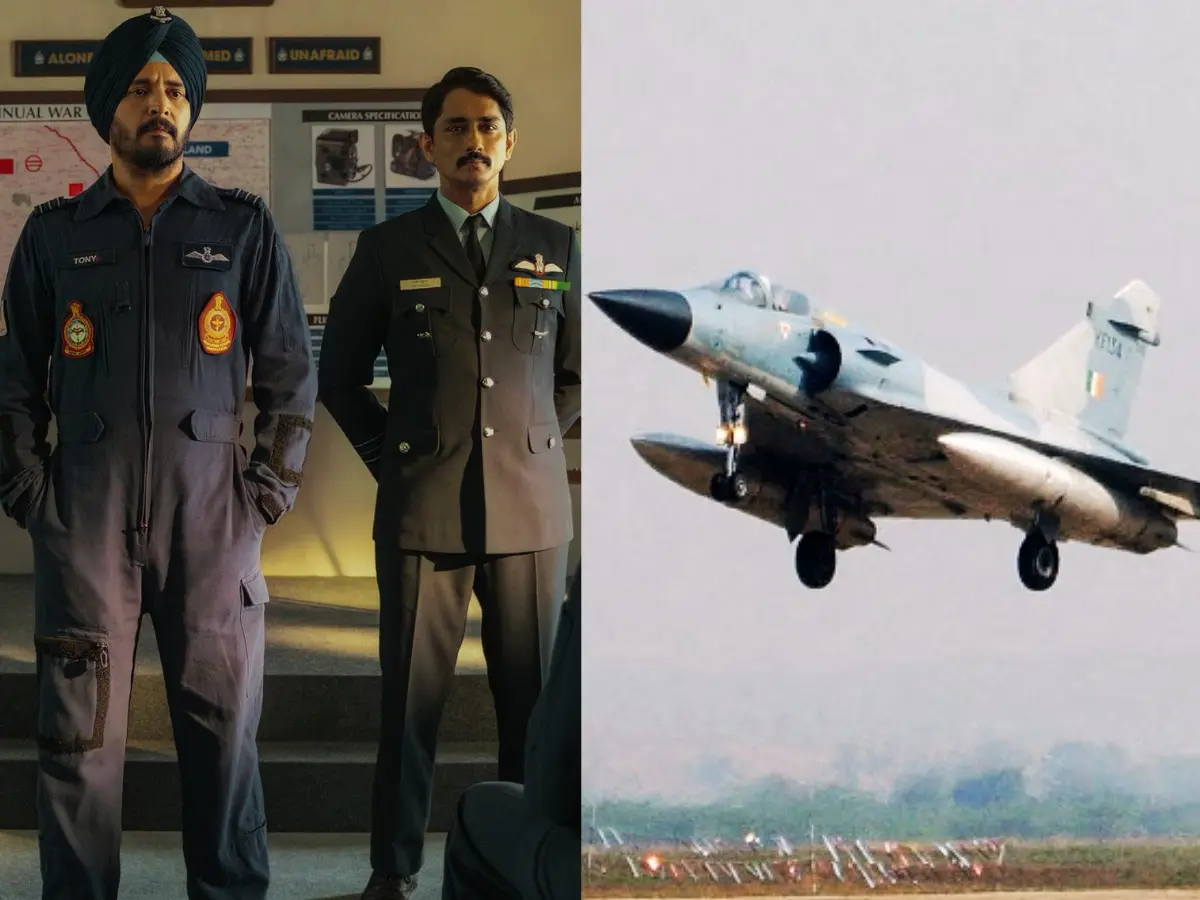
Those planes were called Mirage 2000s, and engineers worked very hard for 12 days to give them special laser eyes to see their targets.
The United States did not want to help with one important part, so a country called Israel came to help finish the job.
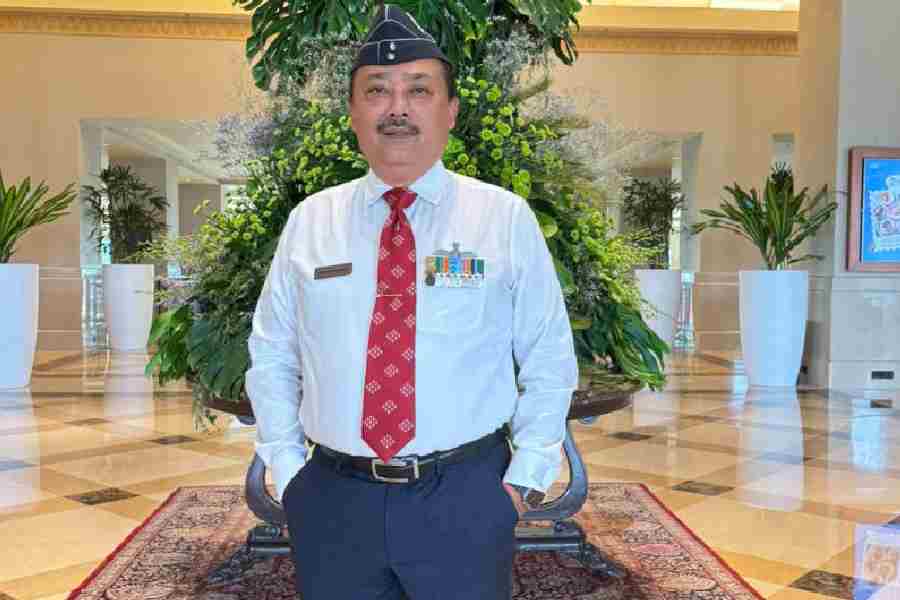
A retired pilot named Wing Commander Harvinder Jeet Singh told reporters the whole story, which is now shown in a TV series called 'Operation Safed Sagar.'
He said India felt betrayed because Pakistan attacked right after the two countries signed a peace contract, like breaking a promise.

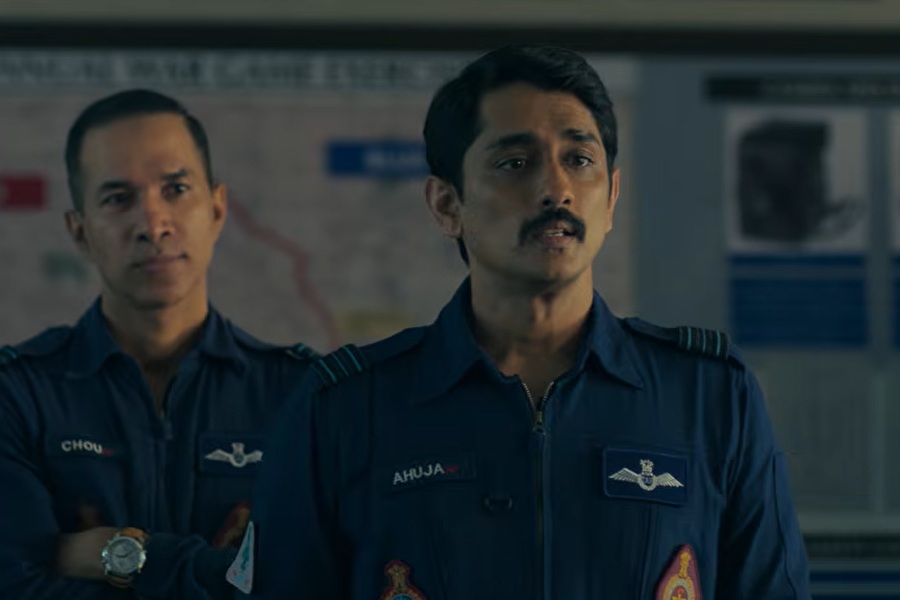
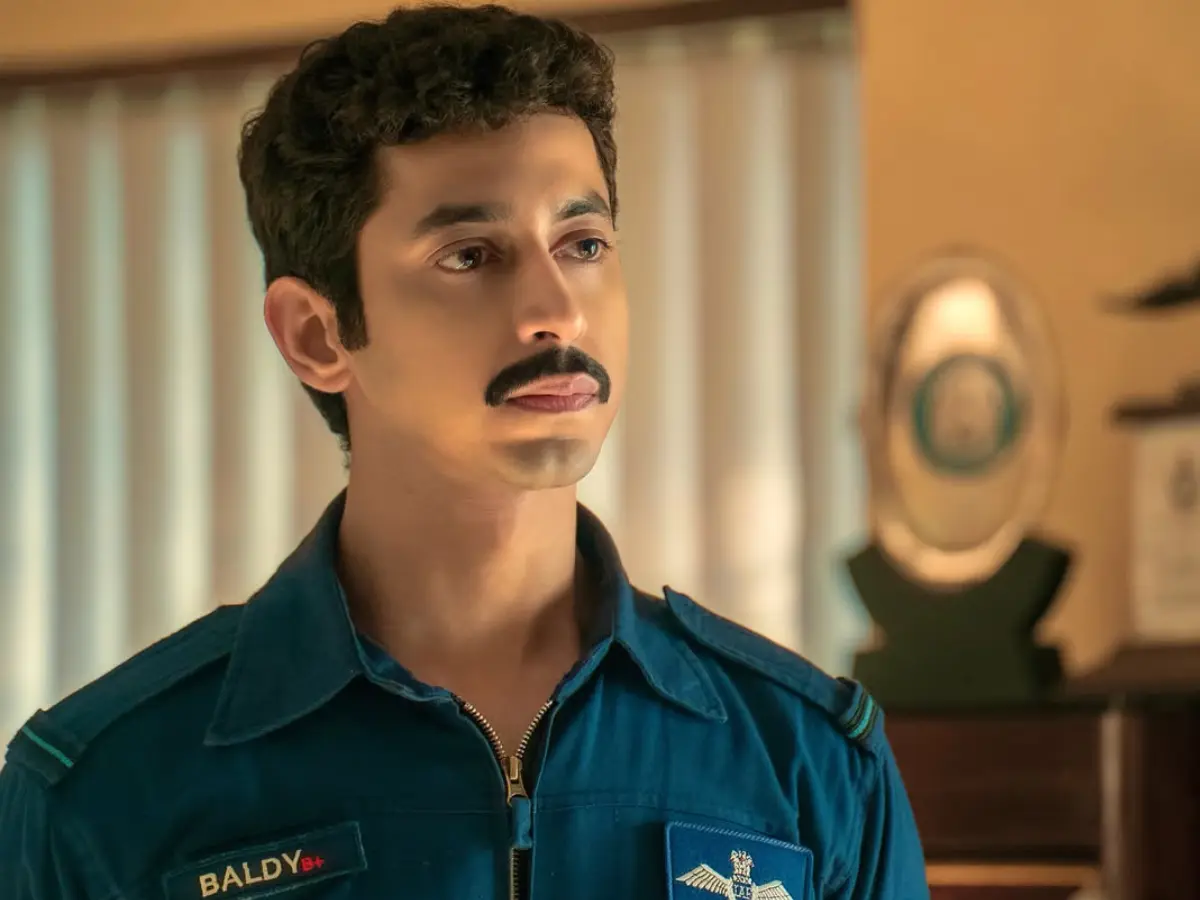
Netflix series 'Operation Safed Sagar' chronicles the Indian Air Force's role in the 1999 Kargil War and has been praised for its detail and depiction of real events.
The Kashmir-based Golden Arrows unit helped identify enemy-captured areas and destroy bunkers, enabling the Indian Army to recapture them.
A Gwalior-based IAF unit integrated litening pods and laser-guided bombs onto French-made Mirage 2000s in just 12 days.
Wing Commander (retired) Harvinder Jeet Singh said the U.S. refused to help connect the fuse with the cable, but Israel developed the Litening Fuse and assisted.
Singh called the attack a 'stab behind the back' after PMs Vajpayee and Sharif signed a peace accord, with enemy forces occupying peaks overlooking the Srinagar-Delhi highway.
- Who
- India and Pakistan were the warring sides; the Indian Air Force's Golden Arrows and Gwalior-based units were involved, and retired Wing Commander Harvinder Jeet Singh gave the account, with PMs Atal Bihari Vajpayee and Nawaz Sharif having signed a peace accord.
- What
- The story of how the IAF modified Mirage 2000s with litening pods and laser-guided bombs in 12 days, told through the Netflix series 'Operation Safed Sagar' and an interview with Singh.
- Where
- The Kargil region of Kashmir, with modifications carried out at the Gwalior air base in Madhya Pradesh; occupied peaks overlooked the highway connecting Srinagar and Delhi.
- When
- Summer of 1999, after about two years of prior work on the integration.
- Why
- Pakistan sought to capture the Srinagar-Delhi highway to cut off the Kashmir valley, while India needed laser-guided bombs to pinpoint and destroy enemy positions.
India's Perspective
Pakistan's Position
Why the 1999 conflict began
India's Perspective
India viewed the attack as a 'stab behind the back' shortly after the Vajpayee-Sharif peace accord, when India expected better relations.
Pakistan's Position
Pakistan wanted to prove to its own audience and the world that Kashmir belongs to it, pressing its long-standing claim over the region.
Purpose of occupying the mountain peaks
India's Perspective
Pakistan's detailed plan was to capture the Srinagar-Delhi highway, cut off the valley, and sever a big chunk of Indian territory.
Pakistan's Position
The occupation was tied to the adversary's desire that Kashmir belongs to them and to press that claim.
Key facts
- Subject
- Netflix series 'Operation Safed Sagar' on the Indian Air Force's role in the 1999 Kargil War
- Conflict
- Kargil War, summer 1999, India vs Pakistan
- Aircraft
- Mirage 2000 (French-made)
- Modification
- Litening pod and laser-guided bomb integration completed in 12 days
- Key units
- Golden Arrows (Kashmir-based) and Gwalior-based Mirage 2000 unit
- Foreign assistance
- Israel developed the Litening Fuse; the U.S. declined to help
- Peace accord
- Signed by PM Atal Bihari Vajpayee and PM Nawaz Sharif
- Interviewee
- Wing Commander (retired) Harvinder Jeet Singh
Quotes
Wing Commander Harvinder Jeet Singh
Retired Indian Air Force officer who commanded the Gwalior base during the Kargil war
“"The whole challenge was how to integrate bombs with the pods. They were being modified to become a laser box. The Air Force had been working on last the two years but the challenge to integrating a fuse with a cable remained. America was not willing to help us with it but Israel rose to the occasion. The Israelis had developed the Litening Fuse to illuminate the lasers and they were also to help us in creating the litening pod with the Mirage."”
 wionews.com
“"The challenge of integrating the litening pod and laser-guided bombs was going on at the time already. Using the modifications, we would have been able to pinpoint those (enemy) locations and eliminate them from those locations."”
wionews.com
Sources
Related news
MiG-21 Veterans Recall High-Altitude Kargil War Missions in Documentary
Anand Mahindra hails Netflix's Kargil War drama 'Operation Safed Sagar'

Siddharth Recalls Working With IAF Pilots on 'Operation Safed Sagar'
Kargil-era air force veteran consultant behind Netflix's Operation Safed Sagar
Operation Safed Sagar: A Soaring Tribute to Tactical Brilliance
Mihir Ahuja Reveals Kargil War’s Vast Untold Story

Pregnant Inmates in Madhya Pradesh Jails Struggle to Access Release

Two Women Allegedly Assault Colleague In Gwalior Street Fight
Supreme Court Quashes FIRs Against 15 CJP Activists
Bhopal GRP Recovers ₹62.26 Lakh in Train Theft Crackdown

Four Killed, Two Critically Injured in Ashoknagar Bike Crash