6 days ago
Why Mount Kailash’s Sacred Pilgrimage Faces Himalayan Flood Dangers
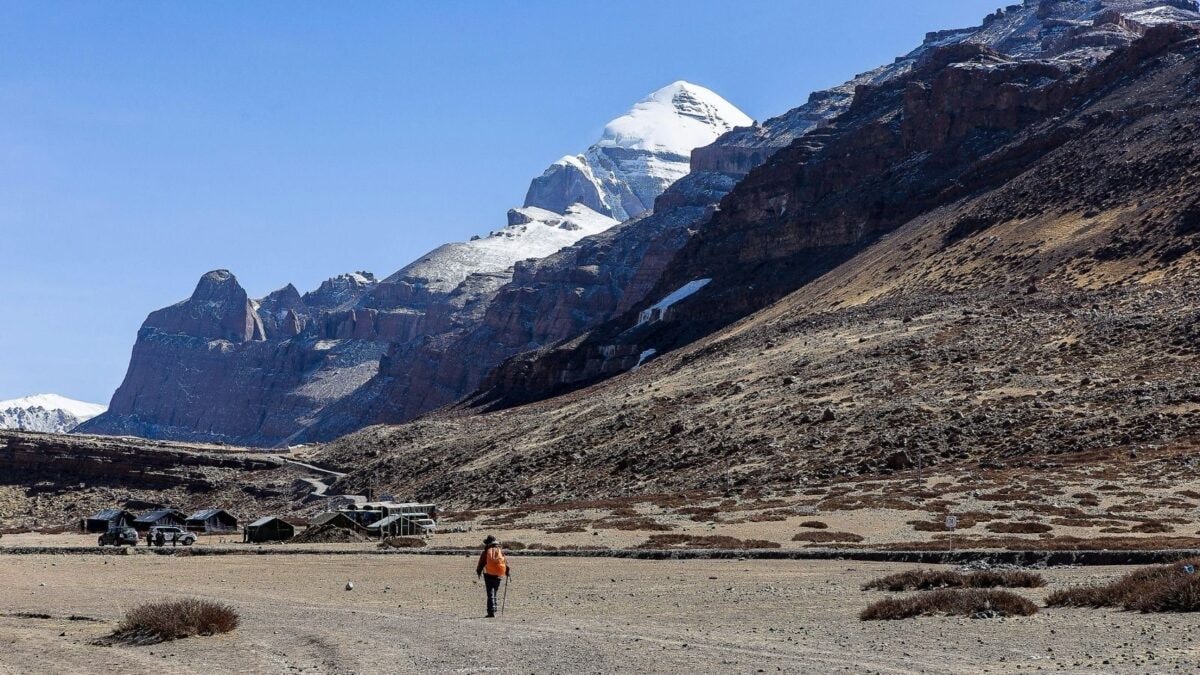
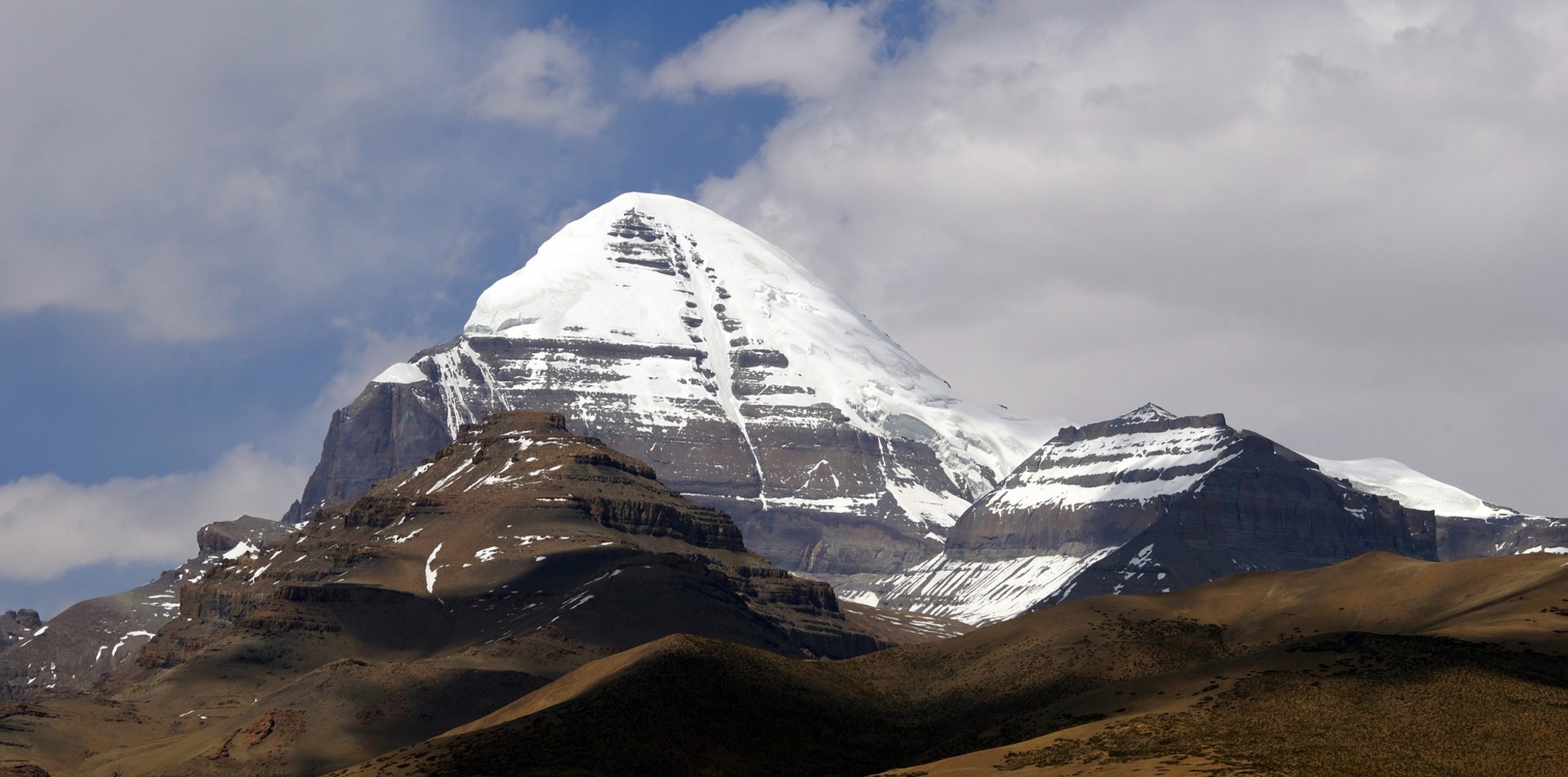
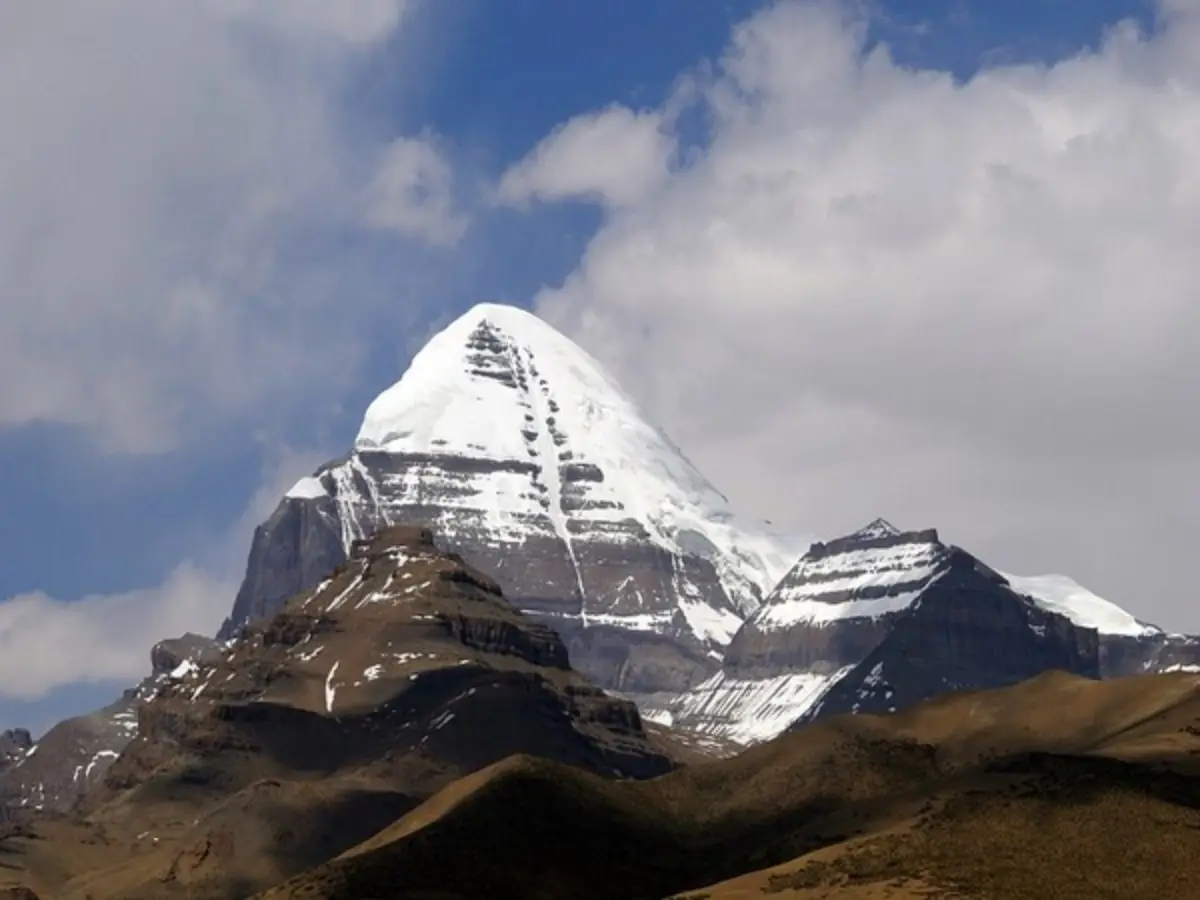
Mount Kailash is a very high mountain in Tibet that several religions consider holy.
Hindus connect it with Shiva and Parvati, while Buddhists associate it with the cosmic Mount Meru.
Jains and followers of the Tibetan Bon tradition also have sacred stories about the mountain.
Pilgrims usually do not climb Kailash.
Instead, they walk around it in a journey called a kora or parikrama.
The walk is about 52 to 53 kilometers and usually takes three days.
Some pilgrims also bathe in nearby Lake Manasarovar as a purification ritual.
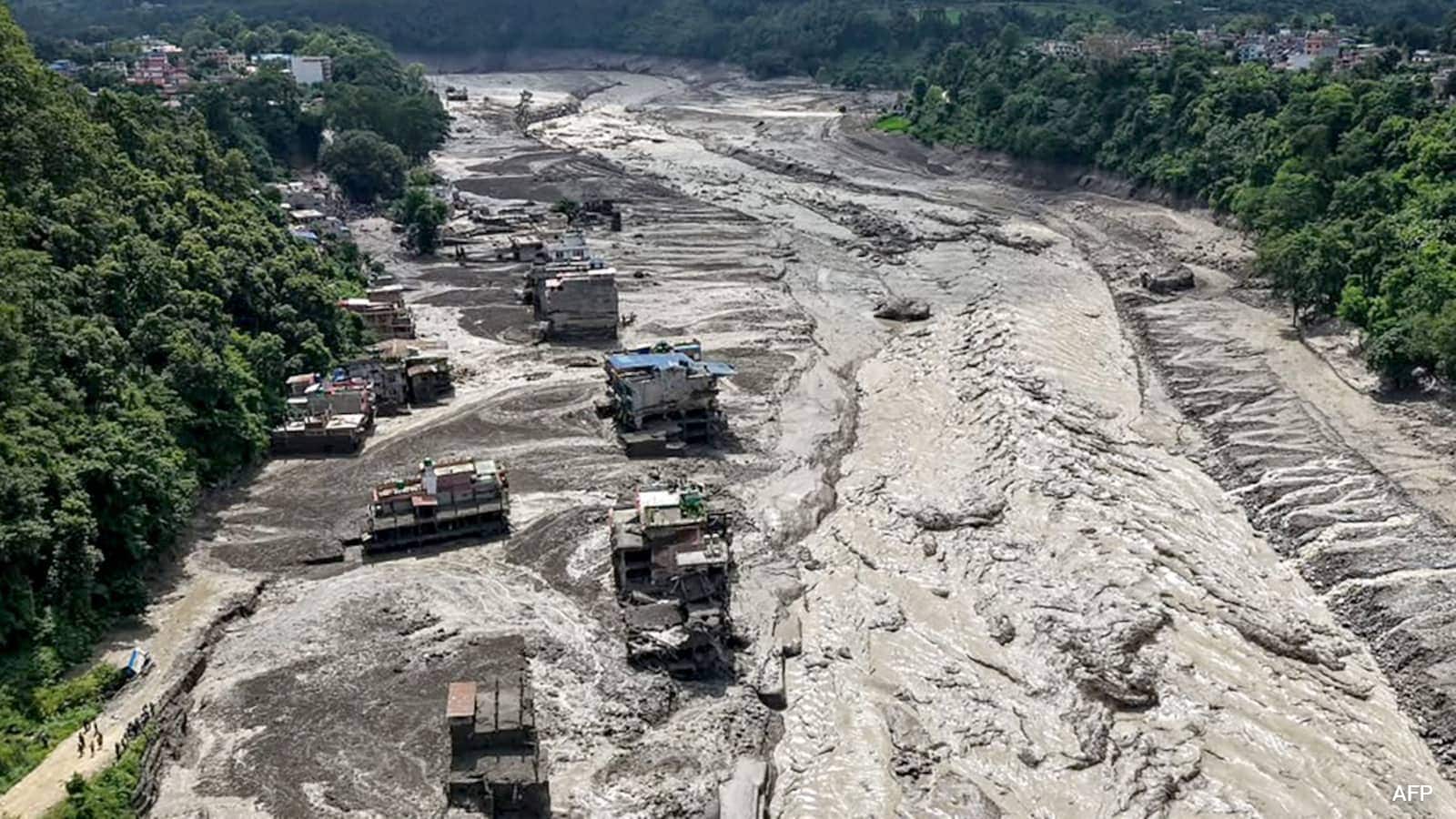
Severe floods and a glacier collapse recently stranded or caused the disappearance of many people traveling through the region.
The disaster also damaged roads and border crossings used by pilgrims.

Mount Kailash in southwestern Tibet is sacred to Hindus, Buddhists, Jains and followers of Tibetan Bon.
Pilgrims traditionally complete a roughly 52-to-53-kilometer circuit around the mountain instead of climbing it.
The three-day journey is believed to purify pilgrims, with Hindus and Buddhists traveling clockwise and Bon followers counterclockwise.
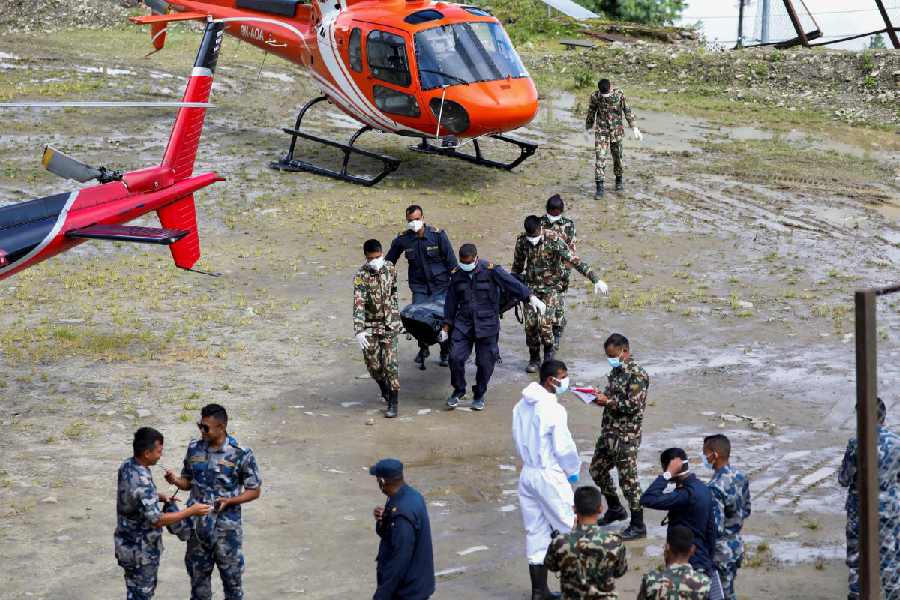
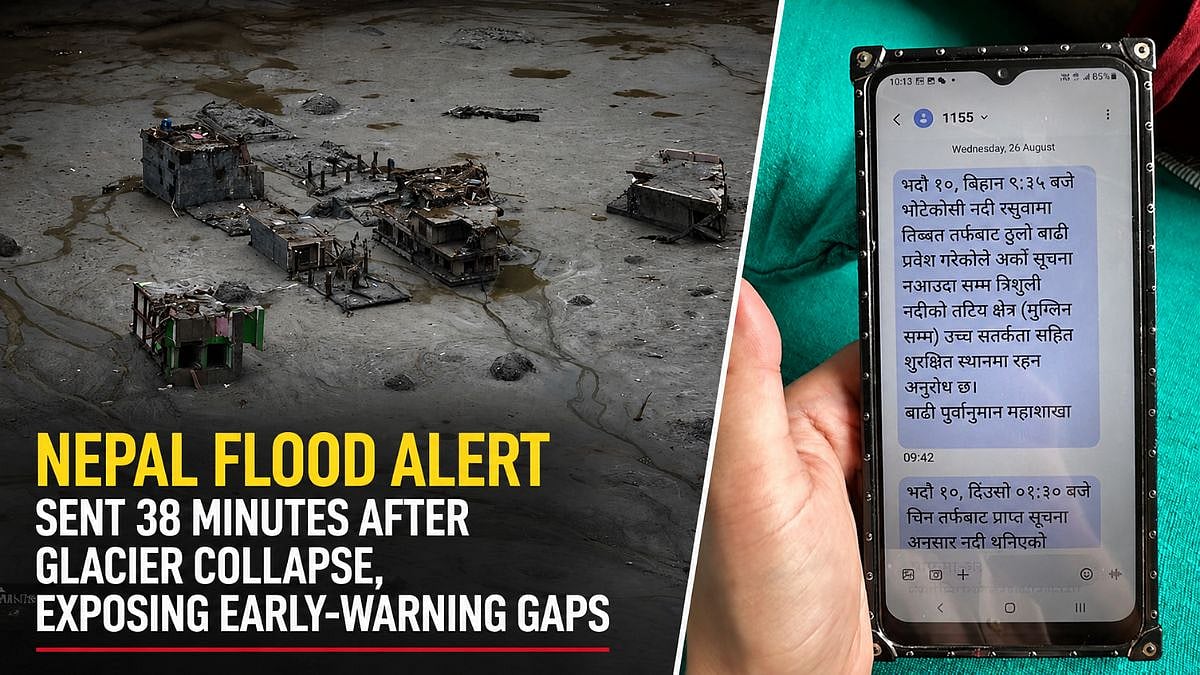
Floods following a glacier collapse left at least 168 people dead and hundreds missing in Nepal and Tibet, including many pilgrims.
Reports said 179 missing people were Indian nationals, while roads, bridges and border crossings were damaged by the disaster.
- Who
- Pilgrims from India and other countries, along with Hindu, Buddhist, Jain and Tibetan Bon devotees, were affected by the disaster.
- What
- A sacred pilgrimage to Mount Kailash drew renewed attention after floods left hundreds missing and at least 168 people dead in the surrounding region.
- Where
- Mount Kailash is in southwestern Tibet, near China’s borders with Nepal and India, close to Lake Manasarovar and the Nepal-Tibet Rasuwa–Gyirong corridor.
- When
- The floods occurred in late August 2026; the Kailash Mansarovar Yatra was reported suspended on August 25, 2026, and an article was published on August 28.
- Why
- Pilgrims undertake the journey for religious devotion and spiritual purification, while the floods followed a glacier collapse that sent debris through communities on both sides of the border.
Key facts
- Elevation
- Mount Kailash rises more than 6,400 meters, or about 21,000 feet, above sea level.
- Pilgrimage circuit
- The circumambulation is described as roughly 52 to 53 kilometers; one account says about 42 kilometers are walked and approximately 10 kilometers may be covered by vehicle.
- Journey duration
- The circuit typically takes about three days.
- Religious traditions
- Hinduism, Buddhism, Jainism and the Tibetan Bon tradition regard Mount Kailash as sacred.
- Nearby lake
- Lake Manasarovar lies near Mount Kailash; some Hindu pilgrims bathe in its waters for spiritual purification.
- Reported deaths and missing
- Authorities reported 165 deaths and 826 missing in Nepal, plus three deaths and 558 missing in Tibet; the totals differ from the separate report of nearly 1,300 missing people.
- Missing Indian nationals
- Nepal’s tourism board said 179 missing people were from India, most reportedly traveling on pilgrimage to Mount Kailash.
- Pilgrimage suspension
- The Kailash Mansarovar Yatra was reported officially suspended on August 25, 2026, because of severe flash floods.
Sources
Related news
Nepal Flash Floods Highlight Risks of Kailash Mansarovar Yatra
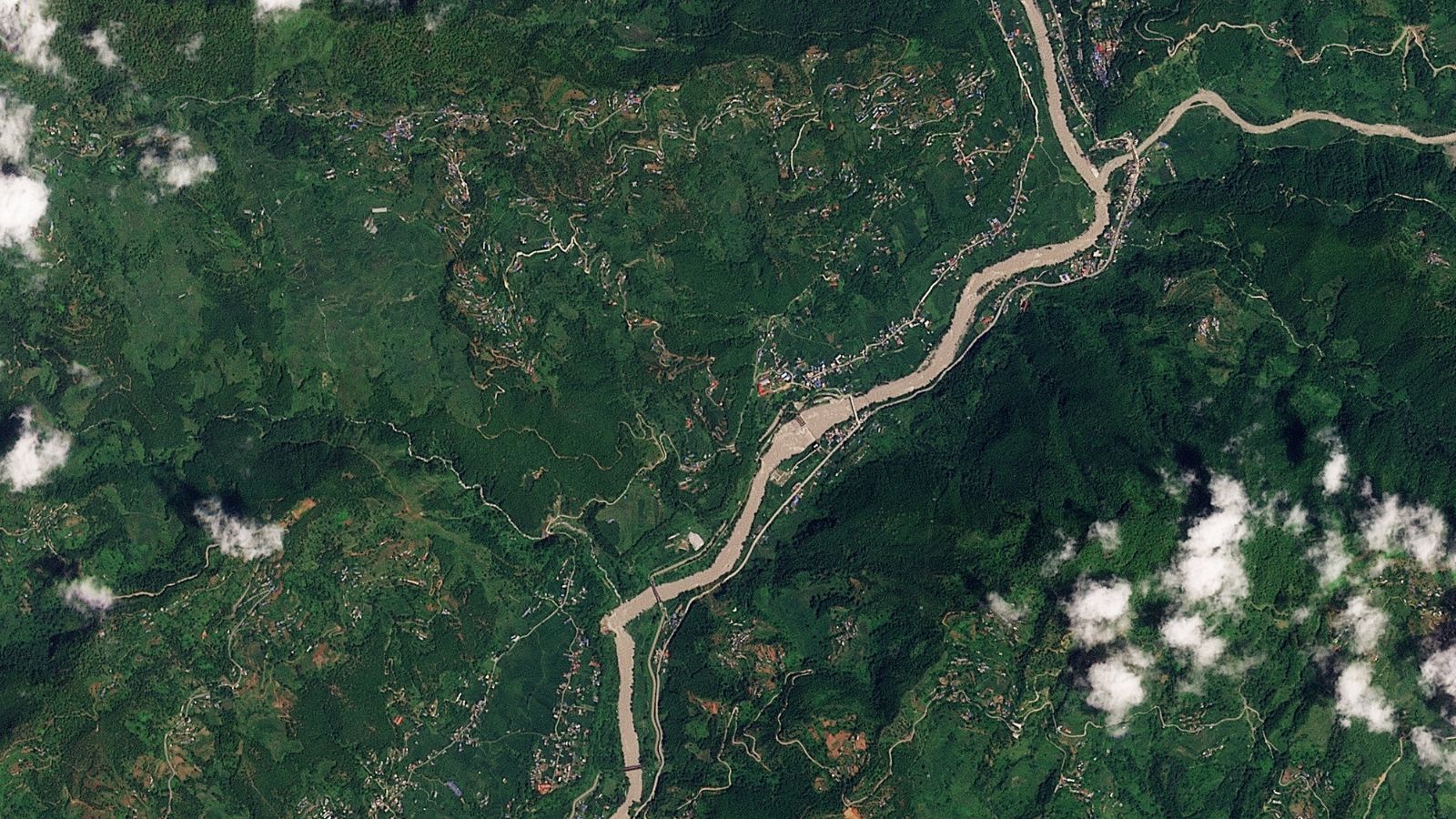
Kailash Pilgrimage Tests Faith Against Geography, Politics, and Physiology
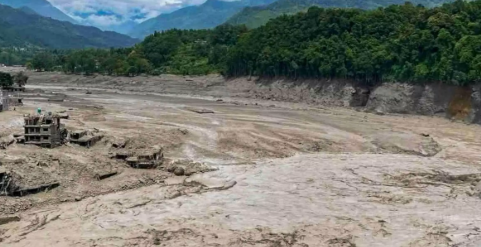
Nepal Flash Flood Leaves Nearly 400 Kailash Pilgrims Unreachable
Nepal Floods Reveal Risks on Private Kailash Pilgrimage Routes
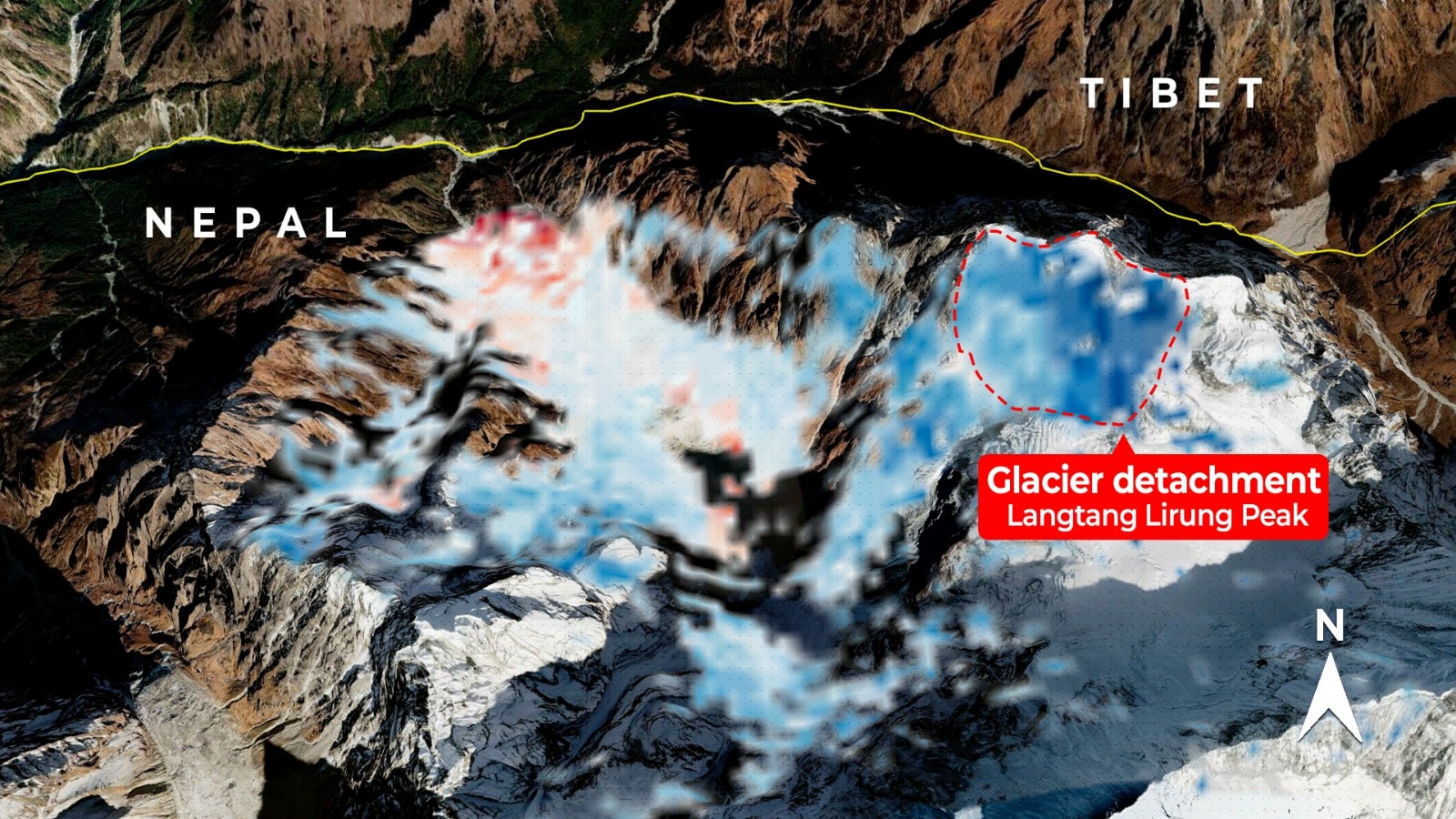
Satellite Radar May Strengthen Nepal's Flood Warning Systems
Nepal Plans New Landslide Warning System Along China Border

Nepal Thanks India as Glacial Disaster Rescue Efforts Continue
Nepal Warns of Heavy Rain After Deadly Floods
Nepal Flood Exposes Delayed Alerts and Cross-Border Warning Gaps