3 weeks ago
London's Housing Crisis Drives Away Its Most Valuable Residents

London is a very big city where millions of people live.
Last year, fewer people lived there than before.
That has only happened three times in the last forty years.
Many of the people leaving are parents in their thirties and forties.
They are leaving because homes in London are too expensive and hard to find.
The city has almost stopped building new homes.
Fewer than 5,000 new homes are expected by 2028 — the fewest in 80 years.
Rules about building and too little competition make the problem worse.
The pandemic made many families want more space outside the city.
This is changing London and the smaller towns where people are moving.

London's population dropped last year — only the third time in four decades.
The exodus is driven by productive residents in their 30s and 40s with children.
Housing is the main cause: the city has largely stopped building new homes.
Fewer than 5,000 new homes are expected by 2028, the lowest level in 80 years.
Restrictive planning, limited competition, and the pandemic accelerated the move to smaller towns.
- Who
- Productive London residents in their 30s and 40s with children
- What
- London's population declined for only the third time in four decades as the housing crisis pushes residents out
- Where
- London
- When
- Last year, with a housing forecast extending to 2028
- Why
- A housing shortage driven by restrictive planning and limited competition, accelerated by the pandemic's push for more space outside the capital
Key facts
- Population trend
- Dropped last year — third decline in four decades
- Residents leaving
- Productive adults in their 30s and 40s with children
- Main cause
- Housing crisis; city has largely stopped building new homes
- New homes expected by 2028
- Fewer than 5,000
- Construction level
- Lowest in 80 years
- Contributing factors
- Restrictive planning and limited competition
- Pandemic effect
- Accelerated exodus as people sought more space outside the capital
Sources
Related news

Piddington votes to leave UK in migrant barracks protest

India’s Housing Supply Shifts Sharply Toward Premium Homes

London Could Lose 90,000 White-Collar Jobs by 2031
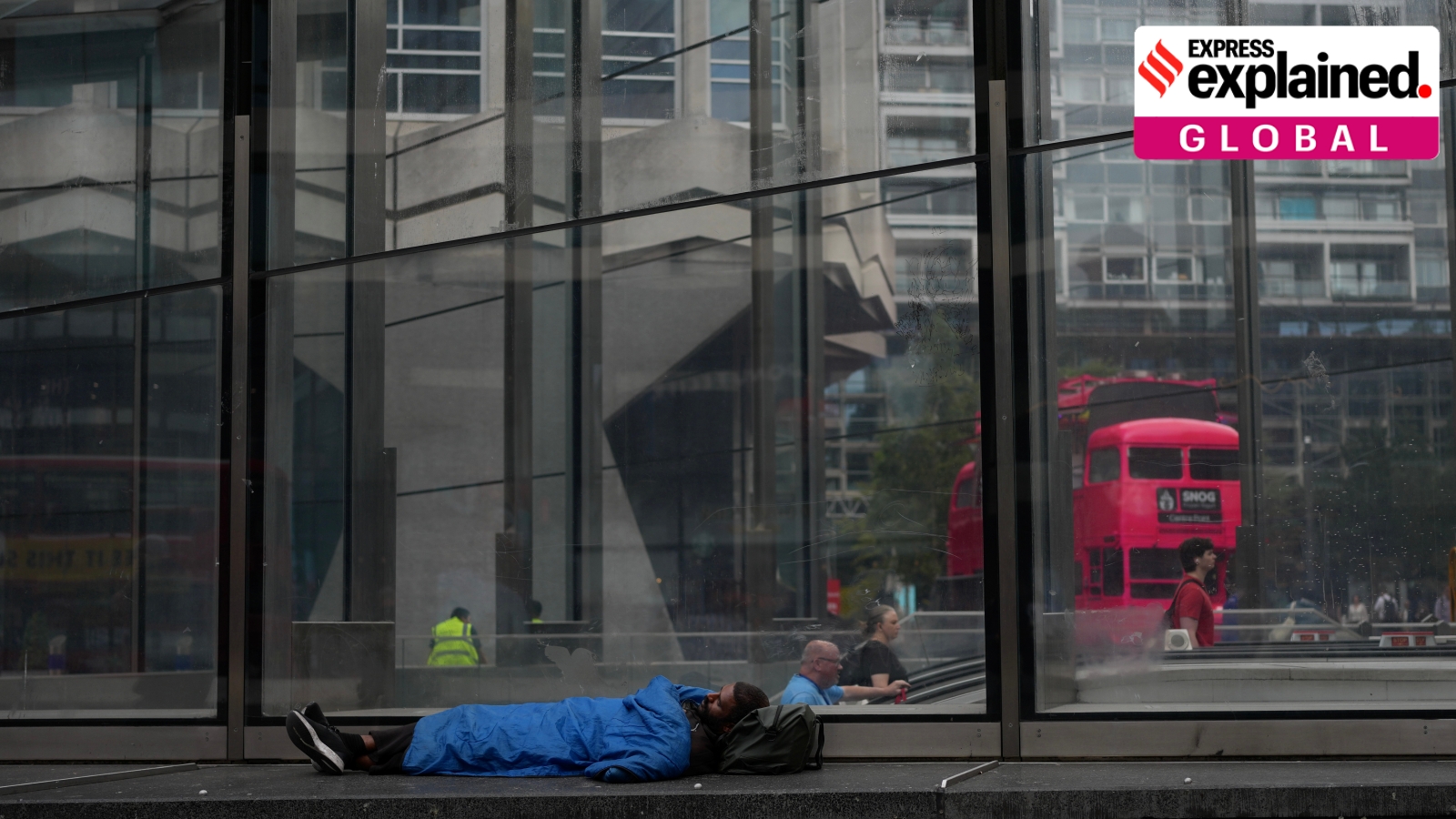
Why Rough Sleeping Remains Persistent Despite New UK Funding

Andy Burnham Calls for Fairer UK Asylum Seeker Distribution
UK Asylum Hotel Numbers Halve as Migration Pressure Falls

Indian Courts and Officials Face Detention, Speech Controversies

HBO Reveals New Harry Potter Series Trailer And Cast

BFI London Film Festival Spotlights South Asian and MENA Cinema

Sadiq Khan Challenges Conviction After Untaxed Car Misregistration

Indian Sugar Prices Fall Further as Mills Struggle to Sell