1 week ago
Why Rough Sleeping Remains Persistent Despite New UK Funding
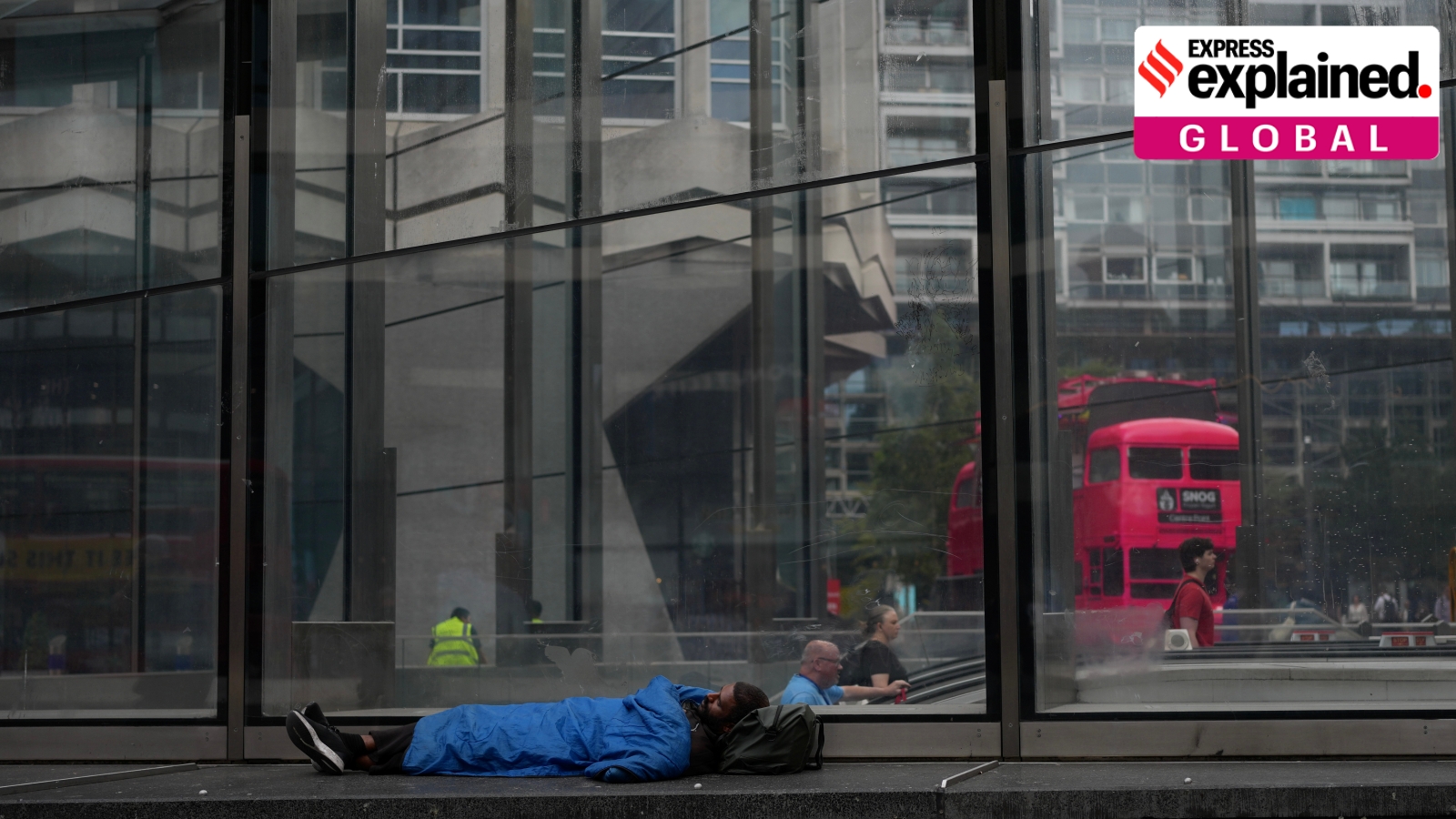
Rough sleeping means sleeping outside in places such as streets, parks or abandoned buildings.
It is one of the most visible and dangerous forms of homelessness.
England counted 4,793 rough sleepers in autumn 2025.
This was slightly higher than the previous peak in 2017 and much higher than in 2010.
The government has announced £442 million to help people leave the streets and build permanent homes.
The problem has grown because housing is expensive and there are not enough affordable or social homes.
Councils also spend much more money on temporary accommodation than they used to.
Some rural areas say they receive less help even though many people sleep rough there.
The government says different sectors must work together, but some analysts worry that the plan focuses too much on short-term help and major cities.

Autumn 2025 figures recorded 4,793 rough sleepers in England, slightly above the 2017 peak and 171% above 2010 levels.
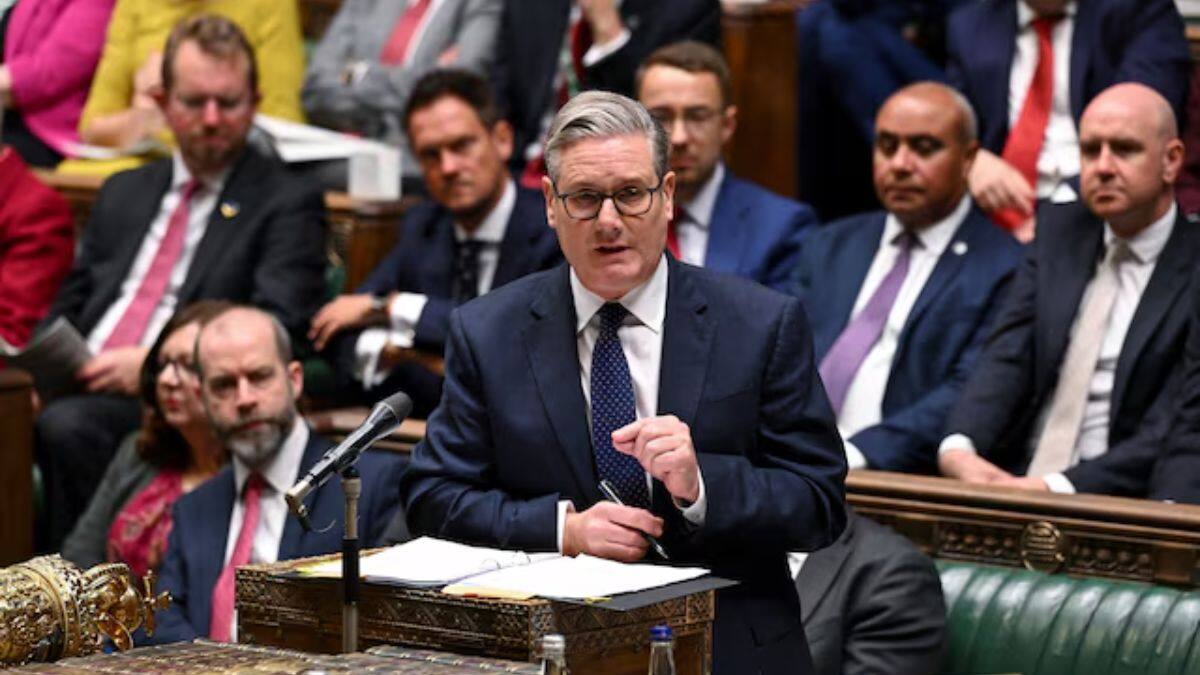
Prime Minister Andy Burnham announced a total £442 million package for accommodation, support services and community-led homelessness programs.
The government says the funding will provide routes off the streets and more than 1,200 permanent homes over three years.
High rents, limited social housing and rising temporary-accommodation costs have increased pressure on councils and households.
Critics of the funding distribution say rural authorities are disadvantaged as more money is directed toward mayoral and urban areas, especially London.
- Who
- UK Prime Minister Andy Burnham, central and local government, homelessness charities, councils and people sleeping rough.
- What
- The UK government announced a national drive to end rough sleeping by Christmas and expanded funding to £442 million.
- Where
- Across the UK, with the reported figures and funding analysis focused mainly on England; London has the largest regional share.
- When
- The pledge was announced on August 19, after an initial funding announcement in July; the figures cited cover autumn 2025 and funding runs through 2026–29.
- Why
- Rough sleeping has increased amid a shortage of housing, high private rents, limited social housing, rising temporary-accommodation costs and uneven council funding.
Government and urban-focused response
Rural and structural criticism
Value of the new funding
Government and urban-focused response
The government says the package will provide immediate winter accommodation, support services and more than 1,200 permanent homes, while broader cooperation is needed to end rough sleeping.
Rural and structural criticism
Critics argue that funding alone may not solve the underlying shortage of affordable housing and could leave councils under pressure before permanent homes are available.
Distribution of resources
Government and urban-focused response
The funding gives mayoral strategic authorities greater responsibility and directs substantial resources toward areas with large visible rough-sleeping populations, including London.
Rural and structural criticism
Rural authorities argue that the shift away from local-authority allocations disadvantages rural areas, which account for about 38% of rough sleepers in England but receive substantially less homelessness-prevention funding per person.
Short-term versus long-term action
Government and urban-focused response
Operational funding is intended to provide immediate routes off the streets and wraparound support while capital funding develops settled accommodation.
Rural and structural criticism
The article says operational funding peaks in 2026–27 and then declines, while capital investment is delayed until later in the three-year period, potentially worsening councils’ financial pressures.
Key facts
- Rough sleepers in England
- 4,793 people were recorded in the autumn 2025 snapshot.
- Change since 2010
- The figure was reported as 171% higher than the 2010 level.
- Government package
- The total announced funding is £442 million.
- Permanent homes
- The plan aims to deliver more than 1,200 permanent homes over three years.
- Routes off the streets
- £255.5 million is allocated for immediate accommodation and wraparound services.
- Capital funding
- £178 million is allocated to acquiring and developing settled accommodation.
- Community fund
- The Ending Homeless in Communities fund received an £8.4 million increase.
- Temporary accommodation costs
- Overall temporary-accommodation expenditure rose by 1,077% between 2011–12 and 2024–25.
Sources
Related news
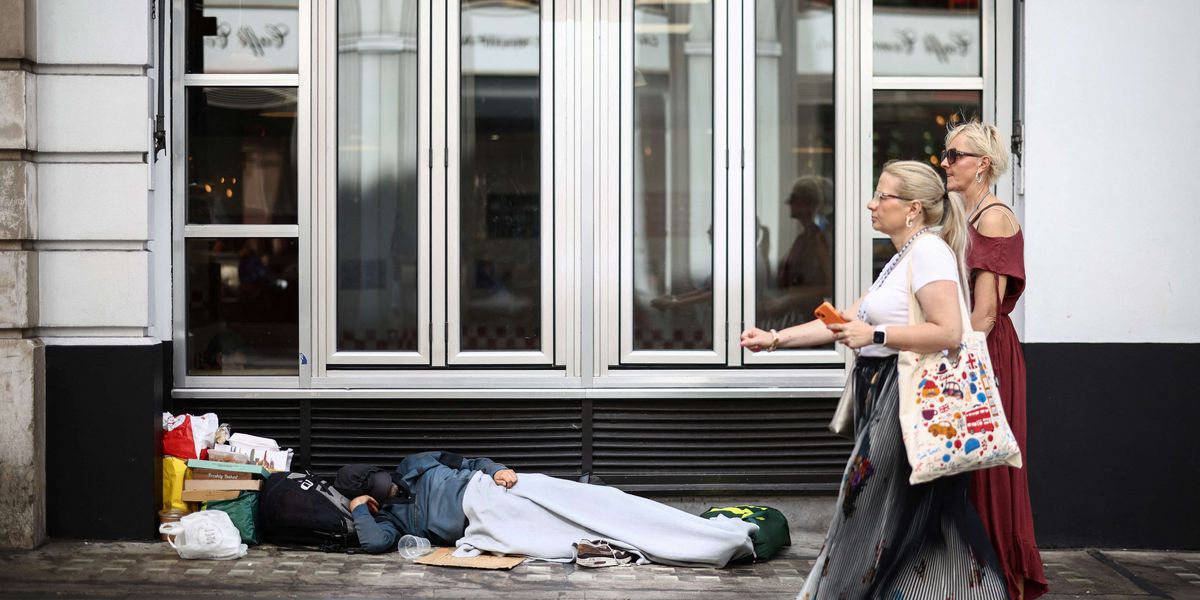
Burnham unveils England plan to end rough sleeping
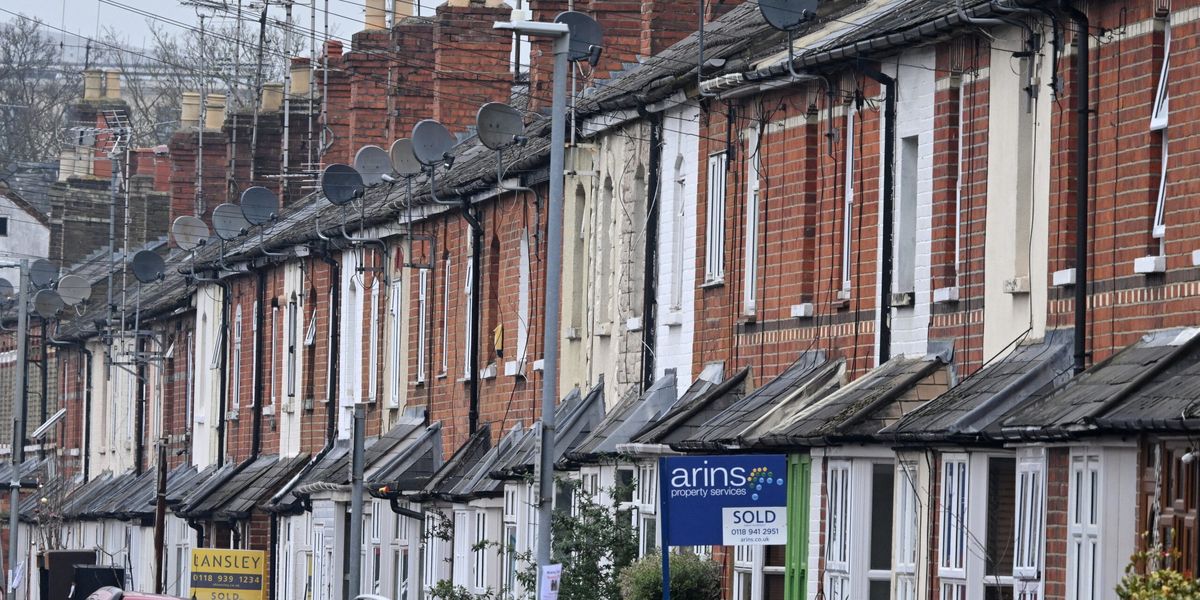
UK Unveils First £10 Billion Wave of Low-Cost Housing
Andy Burnham Calls for Fairer UK Asylum Seeker Distribution

Mahmood Pledges Fairer Asylum Housing Spread Across Britain
Piddington votes to leave UK in migrant barracks protest
UK Asylum Hotel Numbers Halve as Migration Pressure Falls

Former PM Keir Starmer to Leave London Parliamentary Seat

Nigel Farage Probe Resumes After Clacton By-Election Win

Why India and Pakistan Celebrate Independence Day One Day Apart

How Dadabhai Naoroji proved Britain drained India's wealth