1 hr ago
Ageing Identified as Leading Cancer Risk Factor, But Not Certainty

As people get older, their bodies change in several ways.
Cells may not be repaired as easily as they were before.
The body may also become less effective at removing abnormal cells.
The immune system can change too.
This may make it harder to find and destroy cells that could become cancerous.
These changes give cancer-causing damage more time to build up.
Older adults therefore have a higher cancer risk than younger people.
However, getting older does not mean that someone will definitely develop cancer.

Ageing can increase the risk of developing cancer.
The body’s ability to repair cellular damage may change with age.
The process of eliminating abnormal cells can also change over time.
Age-related immune-system changes may reduce the ability to identify and destroy potentially cancerous cells.
Ageing increases the opportunity for cancer-causing changes to accumulate, but does not guarantee cancer will develop.
- Who
- Older adults are identified as having a greater risk of cancer than younger people.
- What
- Age-related changes in cell repair, abnormal-cell removal, and immune function can increase cancer risk.
- Where
- When
- The risk increases with age, as cancer-causing changes accumulate over time.
- Why
- Ageing can reduce the body’s ability to repair cellular damage and identify or destroy potentially cancerous cells.
Key facts
- Main risk factor
- Ageing
- Cell repair
- The body’s ability to repair cellular damage can change with age.
- Abnormal cells
- The body’s ability to eliminate abnormal cells can also change over time.
- Immune system
- Age-related immune changes may affect the detection and destruction of potentially cancerous cells.
- Risk comparison
- Older adults have a greater cancer risk than younger people.
- Important qualification
- Ageing increases the opportunity for cancer-causing changes to accumulate but does not guarantee cancer.
Sources
Related news
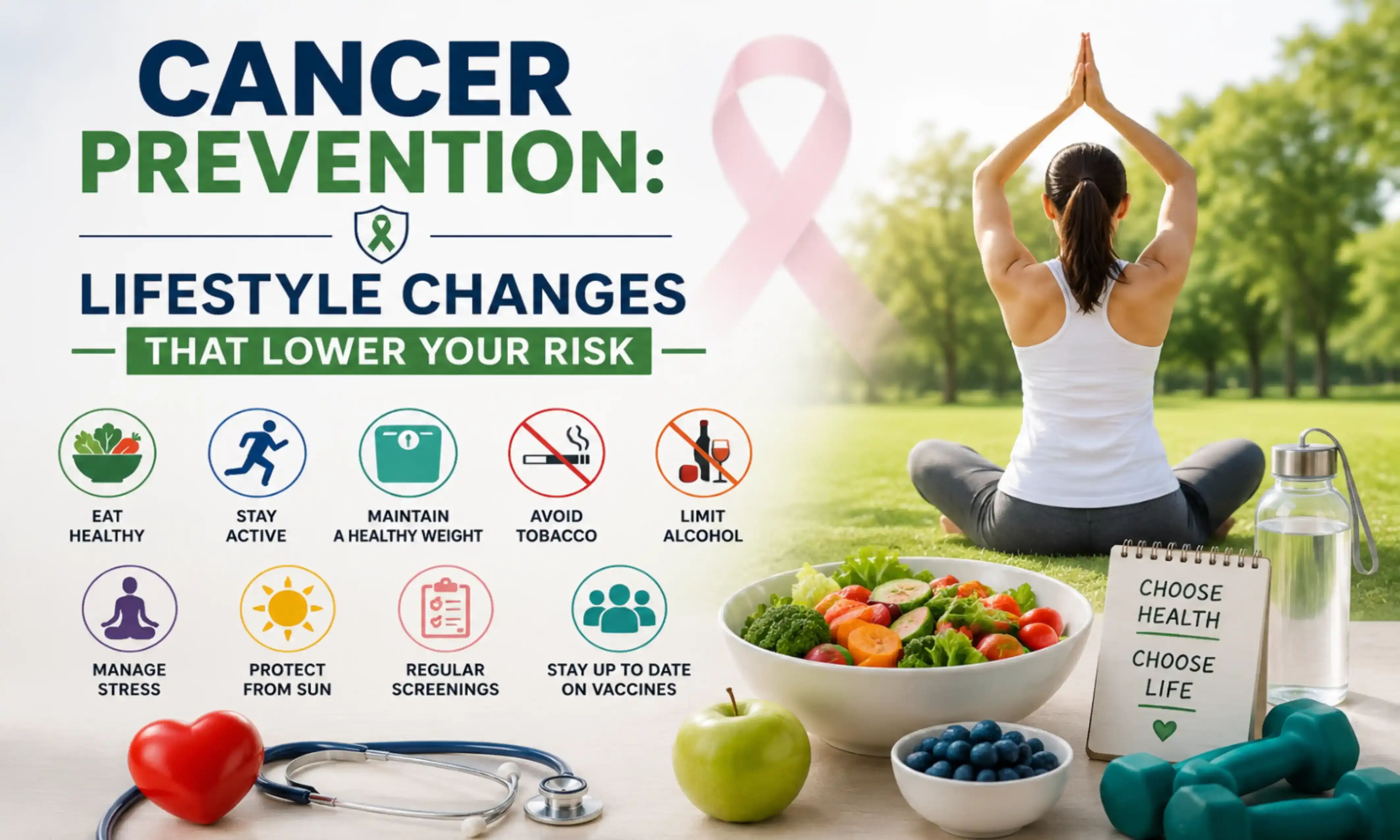
Lifestyle Changes and Screening Can Help Lower Cancer Risk

Mobile Phones, Towers and Brain Cancer: What Science Says
Obesity-Cancer Link: Why Excess Weight and Metabolic Health Matter

Study Finds Aviation Workers Have High Radiation-Cancer Death Proportions