1 hr ago
Athawale backs election chief amid opposition challenge to electoral revision

Ramdas Athawale said the head of India’s Election Commission should not resign.
Some opposition parties have asked Chief Election Commissioner Gyanesh Kumar to step down.
They acted after a report said two election commissioners had objected to how voter-list changes were being handled.
The Election Commission said all three commissioners agreed on the decisions.
Athawale said updating voter lists can help make elections more transparent.
He also said names of deceased voters should be removed.
He asked for an investigation when more than 40 voters are registered at one small house.
The disagreement is about how voter lists should be revised and whether the election panel has acted properly.

Union minister Ramdas Athawale said Chief Election Commissioner Gyanesh Kumar should not resign over the Special Intensive Revision process.
Athawale said opposing transparent electoral rolls amounts to opposing the democratic system.
He maintained that the Election Commission of India is constitutionally independent and working impartially.
Congress and other opposition parties sought Kumar’s resignation after a report alleged objections to the poll panel’s handling of the revision.
The Election Commission said its three-member commission made decisions on the revision unanimously.
- Who
- Union minister Ramdas Athawale, Chief Election Commissioner Gyanesh Kumar, the Election Commission, Congress and other opposition parties.
- What
- Athawale defended Kumar and the Special Intensive Revision of electoral rolls, while opposition parties demanded Kumar’s resignation.
- Where
- Mumbai, India.
- When
- Sunday, September 28; the cited report said objections occurred over a 10-month period.
- Why
- Athawale said electoral-roll revision is necessary for transparent elections and that the Election Commission should be allowed to work independently.
Opposition parties
Athawale and Election Commission
Chief Election Commissioner’s position
Opposition parties
Congress and several other parties have demanded Gyanesh Kumar’s resignation over the handling of the Special Intensive Revision process.
Athawale and Election Commission
Ramdas Athawale said Kumar should not resign under opposition pressure.
Election Commission’s internal decision-making
Opposition parties
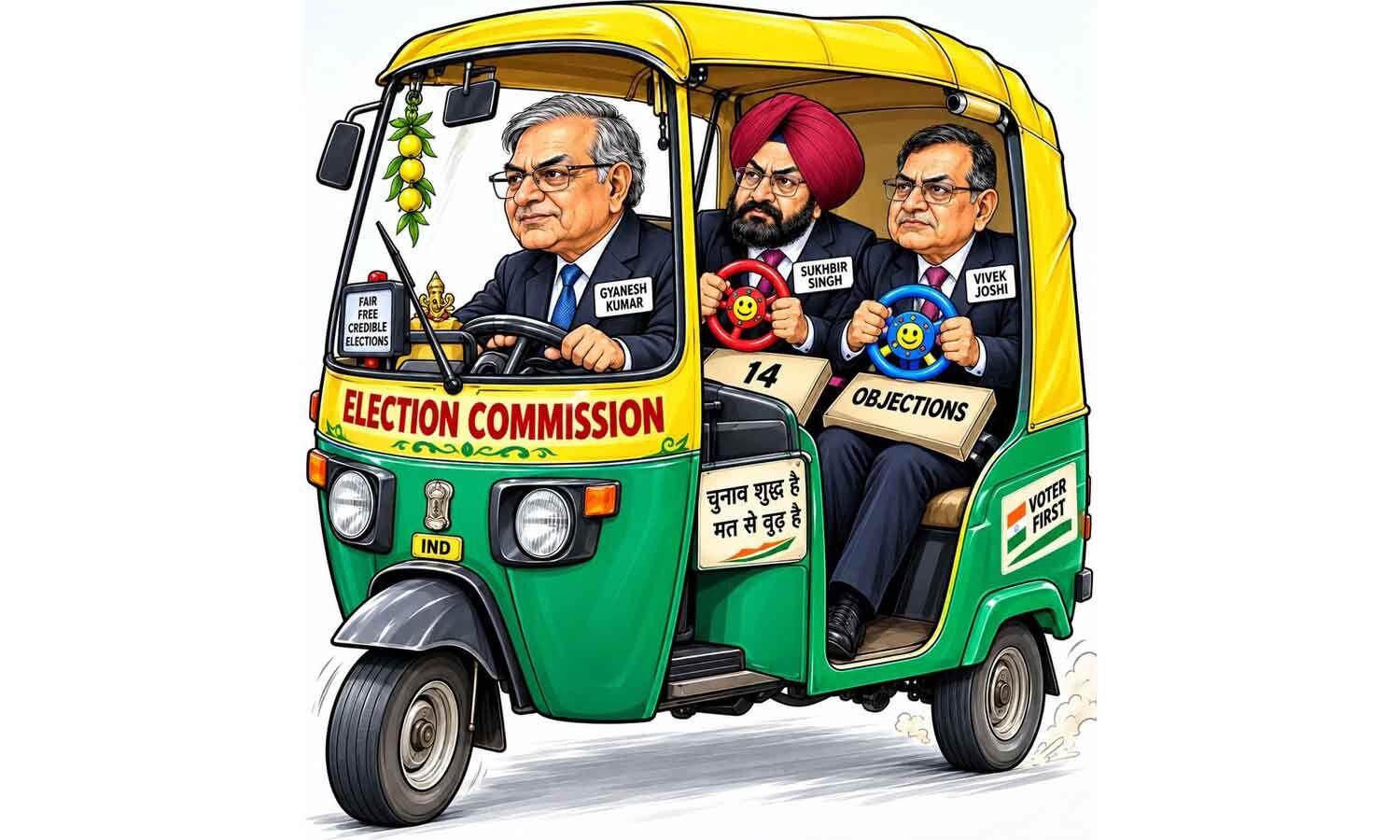
A report by The Indian Express claimed that two election commissioners formally objected at least 14 times over 10 months to the poll panel’s handling of the revision.
Athawale and Election Commission
The Election Commission said its three-member commission made decisions relating to the revision unanimously and that there were no differences among the commissioners.
Meaning of electoral-roll revision
Opposition parties
Opposition criticism, as described in the report, focuses on the poll panel’s handling of the revision process.
Athawale and Election Commission
Athawale said revising electoral rolls, including removing names of deceased voters, is necessary for transparent elections and democratic functioning.
Key facts
- Main speaker
- Ramdas Athawale, Union minister and chief of the Republican Party of India (Athawale).
- Election official
- Gyanesh Kumar, Chief Election Commissioner.
- Process under dispute
- Special Intensive Revision of electoral rolls.
- Athawale’s position
- Kumar should not resign under opposition pressure.
- Opposition demand
- Congress and several other parties have demanded Kumar’s resignation.
- Election Commission response
- The three-member commission said decisions on the revision were unanimous.
- Additional demand
- Athawale called for an investigation into cases where more than 40 voters are registered at a small house.
Quotes

Ramdas Athawale
Union minister, RPI (A) chief and member of the BJP-led NDA
“The Election Commission is a constitutionally independent body. Demanding the resignation of the Chief Election Commissioner and opposing transparent electoral rolls is an opposition to the democratic system itself.”
 theprint.in
“Every time, it is not right to demand someone’s resignation.”
theprint.in
Sources
Related news
Opposition Demands CEC Gyanesh Kumar’s Removal Over SIR Dissent
Venugopal Demands CEC Gyanesh Kumar’s Resignation Over Voter Rolls

Opposition demands CEC removal after reported Election Commission dissent
Satheesan Calls for Election Commission Independence Amid SIR Allegations
Election Commission Says SIR Decisions Were Unanimous Despite Objections
CPI(M) Seeks Gyanesh Kumar’s Removal, Immediate SIR Halt

Locked Phone Central to IIT Bombay Student Death Probe
NDA Leaders Reject Rahul Gandhi’s UPI Charge Concerns

Athawale Urges BJP, SAD, RPI Alliance Ahead of Punjab Polls
Courts Examine Alleged Misuse of SC/ST Act Compensation