1 hr ago
India Moves From Semiconductor Plans to Home-Grown Production
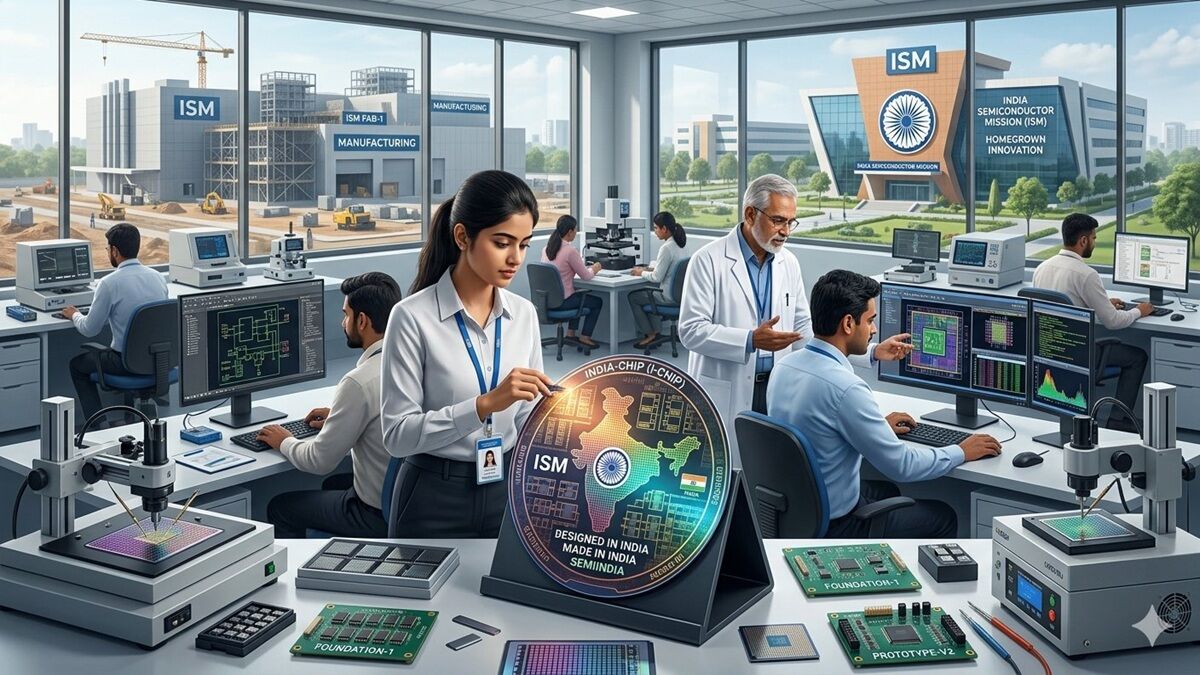
India wants to make more of the computer chips used in cars, phones, machines and defence equipment.
For years, many of these chips and the materials needed to make them came from other countries.
The government is giving companies large financial incentives to build factories and develop chip technology in India.
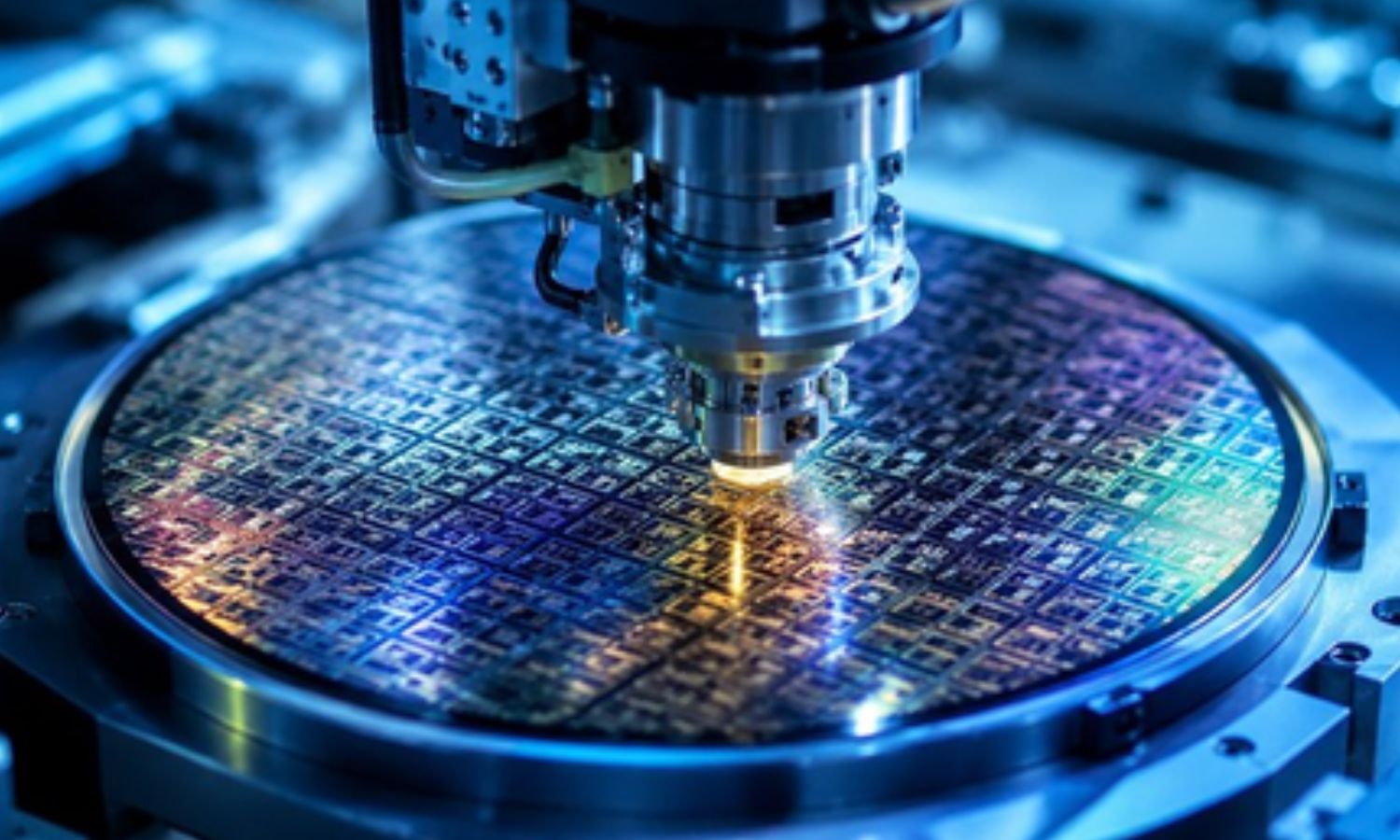
Tata Electronics is building a large factory in Gujarat to make established types of silicon chips.
Companies including Micron, Kaynes and CG Power are already packaging and testing chips in India.
Tata is also building another packaging plant in Assam.
India is focusing first on reliable chips that are widely used rather than trying to make the world’s most advanced chips immediately.
The country still needs more specialised workers, suppliers and equipment to compete globally.

India’s semiconductor programme has moved into construction, wafer processing and chip packaging.
A two-phase incentive programme worth more than Rs 2 lakh crore supports fabs, packaging, materials, equipment, design and talent.
Tata Electronics is building an $11-billion silicon fab in Gujarat targeting 28–110nm chips.
Micron and CG Power have begun commercial semiconductor packaging production, while Kaynes is scaling its OSAT facility.
India aims to increase local electronics value addition to nearly 35% by 2030 despite supply-chain and talent shortages.
- Who
- The Government of India and companies including Tata Electronics, Micron, Kaynes Technology, CG Power, SiCSem and Crystal Matrix.
- What
- India is building a domestic semiconductor ecosystem covering chip fabrication, packaging, materials, equipment, design, research and talent development.
- Where
- Major projects are located in Gujarat and Assam, including facilities in Sanand, Gujarat.
- When
- The first incentive phase began in 2021; commercial production began at some facilities in February and July 2026, while further projects are scheduled through 2027 and 2028.
- Why
- The programme aims to reduce reliance on imported semiconductors, raise local value addition and expand India’s electronics manufacturing and exports.
Ecosystem Opportunity
Implementation Challenges
Building at scale
Ecosystem Opportunity
Government incentives and projects by Tata Electronics, Micron, Kaynes and CG Power indicate that India’s semiconductor plans are becoming physical production capabilities.
Implementation Challenges
Analysts caution that deeper supply chains, specialised talent and globally competitive capabilities will require continued investment and time.
Mature versus advanced technology
Ecosystem Opportunity
Focusing on proven 28–110nm technologies could help India serve automotive, industrial, consumer and connectivity markets while building scale.
Implementation Challenges
India is unlikely to match the United States or Taiwan at the most advanced chip nodes in the near term, and semiconductor technology is changing rapidly.
Domestic self-reliance
Ecosystem Opportunity
Phase 2 expands support for local materials, equipment, design and research, potentially reducing dependence on imported inputs.
Implementation Challenges
The report says India still has a limited domestic supply chain for equipment, materials and components, leaving important ecosystem gaps.
Key facts
- Government support
- The two-phase semiconductor incentive programme has a combined value of more than Rs 2 lakh crore.
- Phase 1
- Launched in 2021 with an outlay of Rs 76,000 crore; 12 approved projects represent about $20 billion in cumulative investment.
- Phase 2
- Announced in 2026 with an outlay of about Rs 1.28 trillion, or $13 billion.
- Tata Gujarat fab
- The $11-billion facility is designed for approximately 50,000 wafers per month and 28–110nm chip production.
- Operational packaging
- Micron began commercial production in February 2026, and CG Power began commercial production in July 2026.
- Tata Assam plant
- The roughly $3-billion OSAT facility is expected to begin production in 2027 and package around 48 million chips per day.
- 2030 target
- India aims to raise local value addition in electronics manufacturing from 18–20% to nearly 35%.