

1 hr ago
US-Iran war flares up, tightening India's geopolitical bind

The United States and Iran have started fighting more intensely again after weeks of uncertainty.
The United States says it attacked Iranian military and maritime equipment after attacks on American forces and ships.
Iran says it attacked American bases in several countries to push US troops out of the region.
Both sides have made claims about damage and casualties that the other side disputes.
The fighting could make it harder for oil and other energy supplies to move around the world.
That could make fuel more expensive.
India is trying to maintain relationships with Iran, the United States and other major countries at the same time.
India will host a BRICS meeting soon, where countries may disagree about how to describe the conflict.

The United States and Iran exchanged their largest reported barrage since July, with strikes hitting military and maritime targets.
Iran said it attacked US assets in Bahrain, Jordan, Kuwait and Iraq, while Washington described its strikes as retaliation for attacks on American forces and shipping.
The renewed fighting has raised concerns about energy supplies, with Brent crude reaching $95.63 and West Texas Intermediate crude settling at $91.01 on 2 September.
The Shanghai Cooperation Organisation condemned the strikes on Iran, while India signed the group’s statement and prepared to host the BRICS summit.
Narendra Modi and Masoud Pezeshkian discussed India-Iran ties and the Chabahar port project, drawing warnings from US Secretary of State Marco Rubio about sanctions.
- Who
- The United States, Iran and affected regional states are involved; India is managing diplomatic and economic consequences.
- What
- The United States and Iran exchanged intensified attacks involving military bases, air-defence systems, maritime assets and other targets.
- Where
- Strikes and reported attacks involved Iran, the Strait of Hormuz, Bahrain, Jordan, Kuwait and Iraq; related diplomacy occurred in Bishkek and will continue at a BRICS summit in New Delhi.
- When
- The latest escalation was reported in early September, after the conflict began in February; the SCO summit took place on 31 August and 1 September.
- Why
- The United States said its strikes retaliated for attacks on its forces and maritime traffic, while Iran said its attacks responded to US strikes and aimed to remove US forces from the region.
United States and allied position
Iranian and opposing position
Reason for the latest strikes
United States and allied position
Donald Trump said the attacks aimed to destroy Iran’s ability to build a rocket capable of dropping mines, while the US military described them as retaliation for attacks on American forces and maritime traffic.
Iranian and opposing position
Iran said its attacks were retaliation for US strikes and were intended to uproot the network of US military bases in West Asia.
Reported casualties and battlefield claims
United States and allied position
Washington denied Iran’s claims that US forces had been killed in Jordan and at a base in northern Iraq.
Iranian and opposing position
Iran claimed that it had killed US forces at those locations.
Diplomatic and economic pressure
United States and allied position
The United States is pursuing maximum economic pressure to restrict Iran’s oil exports, sanctions evasion and revenue generation.
Iranian and opposing position
Iran, supported politically by the Shanghai Cooperation Organisation’s statement, rejects the strikes and seeks the removal of US forces from the region; India continues to discuss trade and infrastructure ties with Tehran.
Key facts
- Oil prices on 2 September
- Brent crude rose 1% to settle at $95.63 a barrel; West Texas Intermediate rose 0.9% to $91.01.
- US targets
- The US military said it struck Iranian air-defence and radar systems, maritime assets, mine-clearing capabilities and communications sites.
- Iranian claims
- Iran said it attacked US assets in Bahrain, Jordan, Kuwait and Iraq and reported strikes near the Strait of Hormuz, including Larak Island.
- Shanghai Cooperation Organisation
- The group condemned the strikes on Iran, calling them violations of international law and the UN Charter.
- BRICS summit
- India is scheduled to host the summit in New Delhi on 12 and 13 September.
- India-Iran meeting
- Narendra Modi met Masoud Pezeshkian in Bishkek on 31 August and discussed bilateral ties, regional conditions and reportedly the Chabahar port project.
- US sanctions warning
- Marco Rubio said countries helping Iran create revenue-generating mechanisms could face US sanctions.
Quotes

Narendra Modi
Prime Minister of India, posting after meeting Iranian President Masoud Pezeshkian
“Reiterated our commitment to strengthening India’s long standing friendship with Iran across diverse sectors. We want to expand and diversify our trade basket in the times to come. We had a discussion on the prevailing situation in the region. India will continue to support all efforts aimed at ensuring lasting peace”
 livemint.com
“No country should be out there helping them create mechanisms by which they can generate revenue that they will then use to sponsor terrorism and try to build a nuclear weapon. And if countries decide to do that, then we're going to have to sanction them too”
livemint.com
Sources
Related news
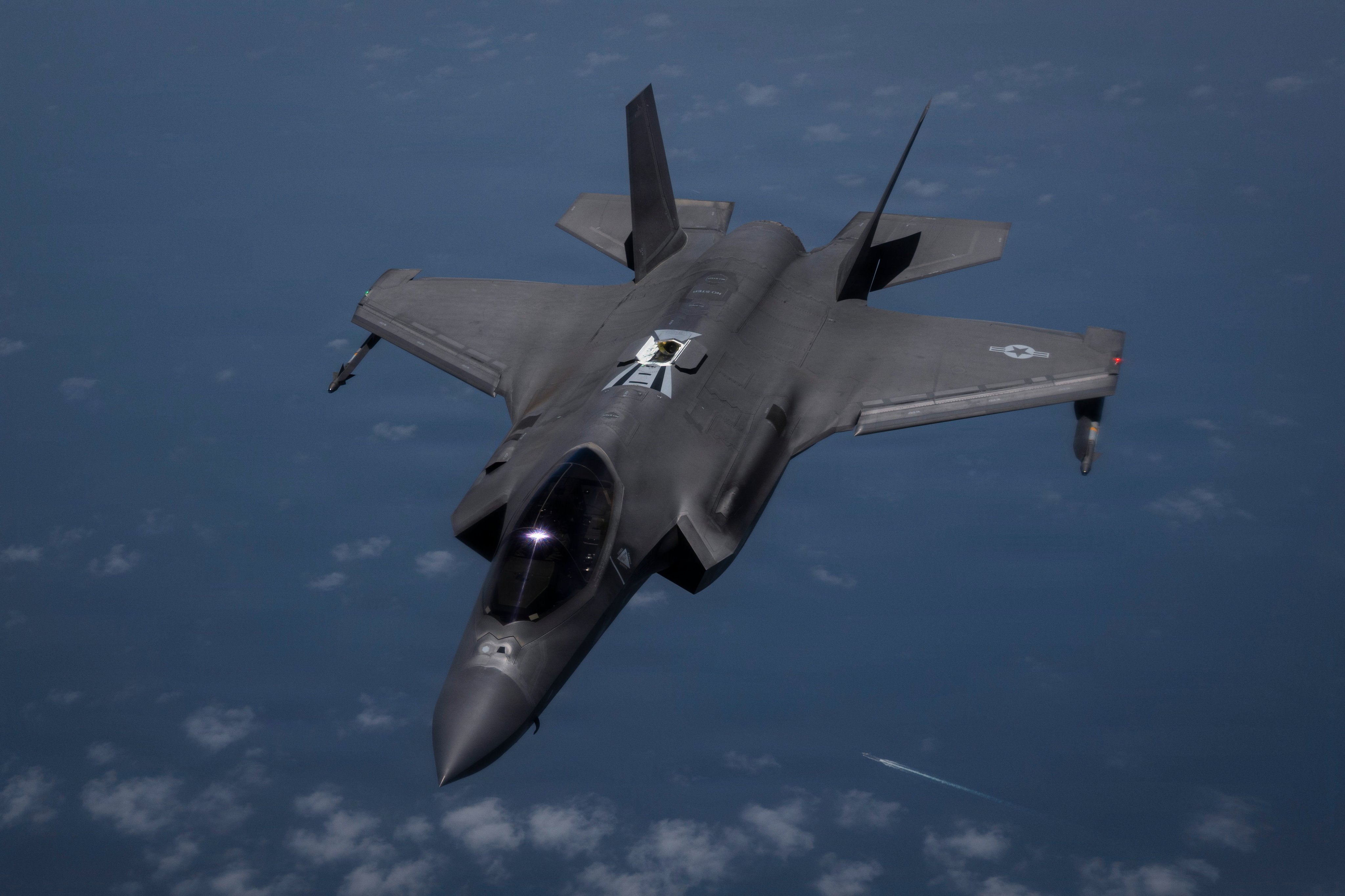
U.S. Strikes Iran as Regional Hostilities Flare Again
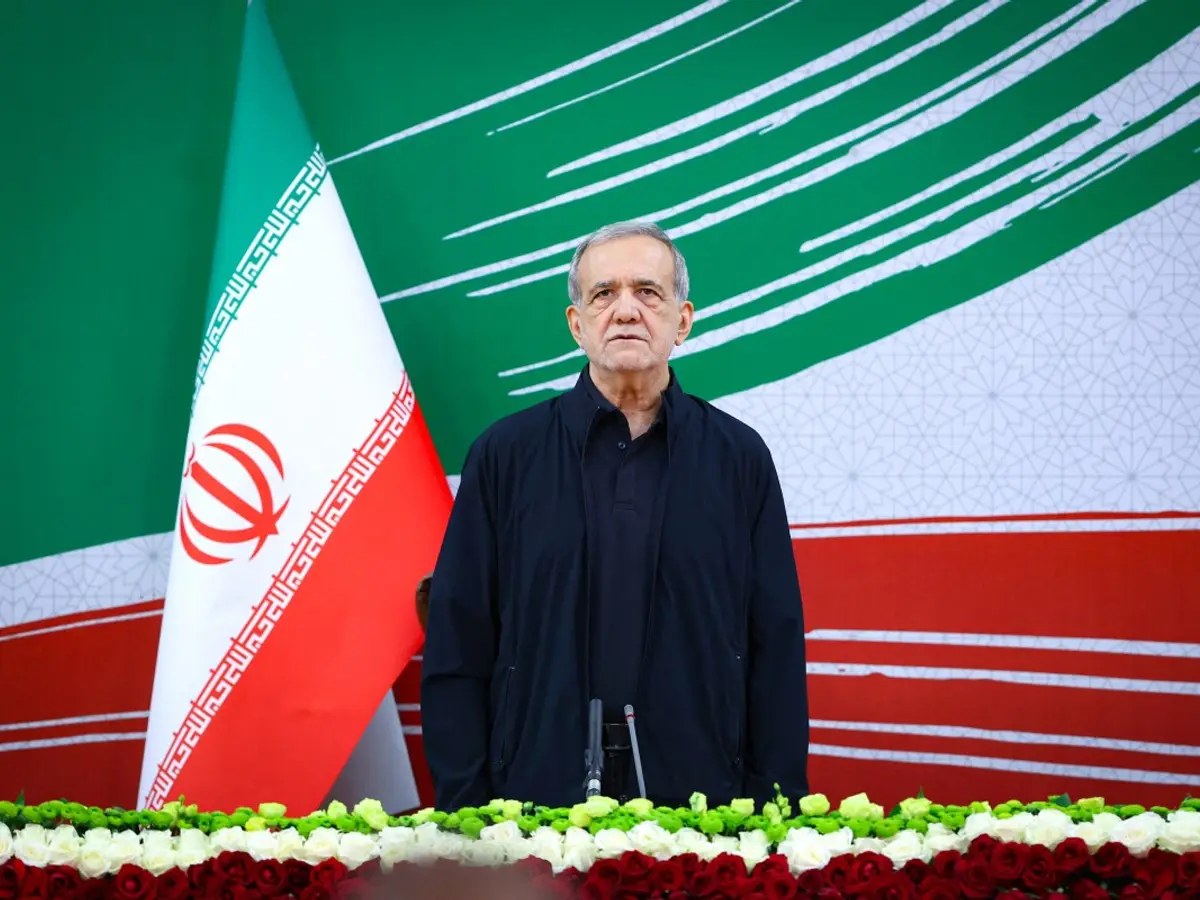
Iran Seeks Dialogue as U.S. Strikes Trigger Regional Retaliation

Iran Asks Modi to Use India’s Reach to End War
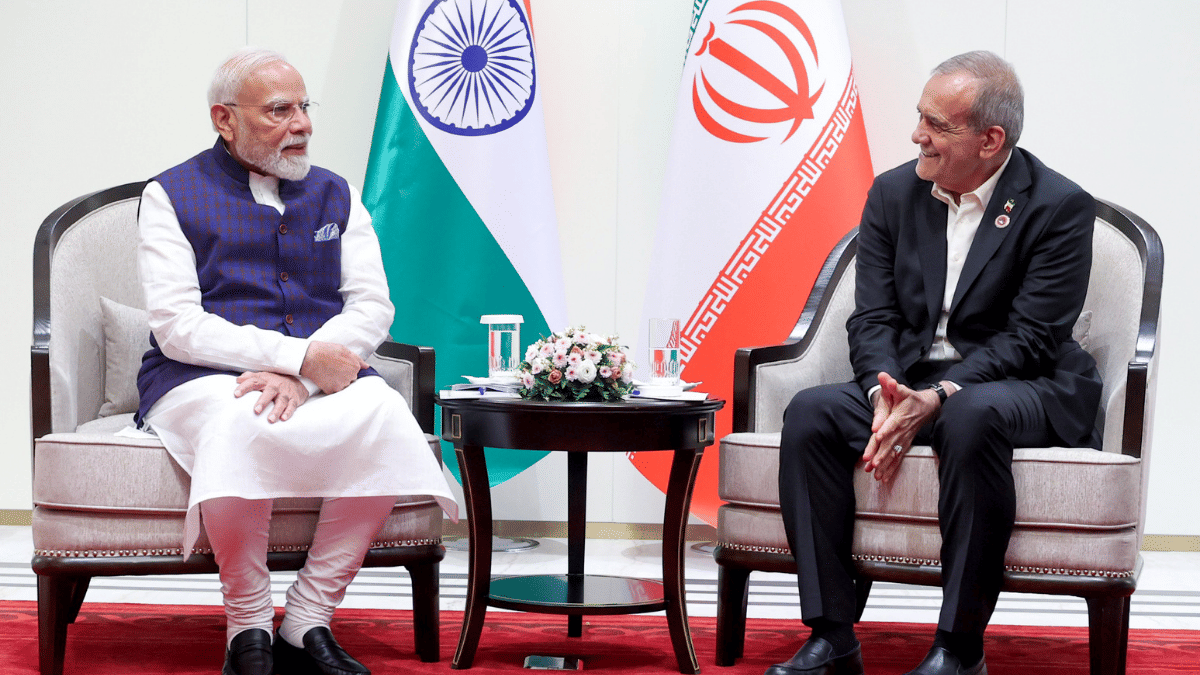
Modi, Pezeshkian Discuss West Asia Peace at SCO Summit

US-Iran Fighting Escalates, Raising Strait of Hormuz Risks

US and Iran Resume Strikes, Raising Fears of Regional War
Reported US Strike on Iranian Tanker Raises Kharg Island Fears

Iran War Redraws Global Energy Markets, Boosting Renewables
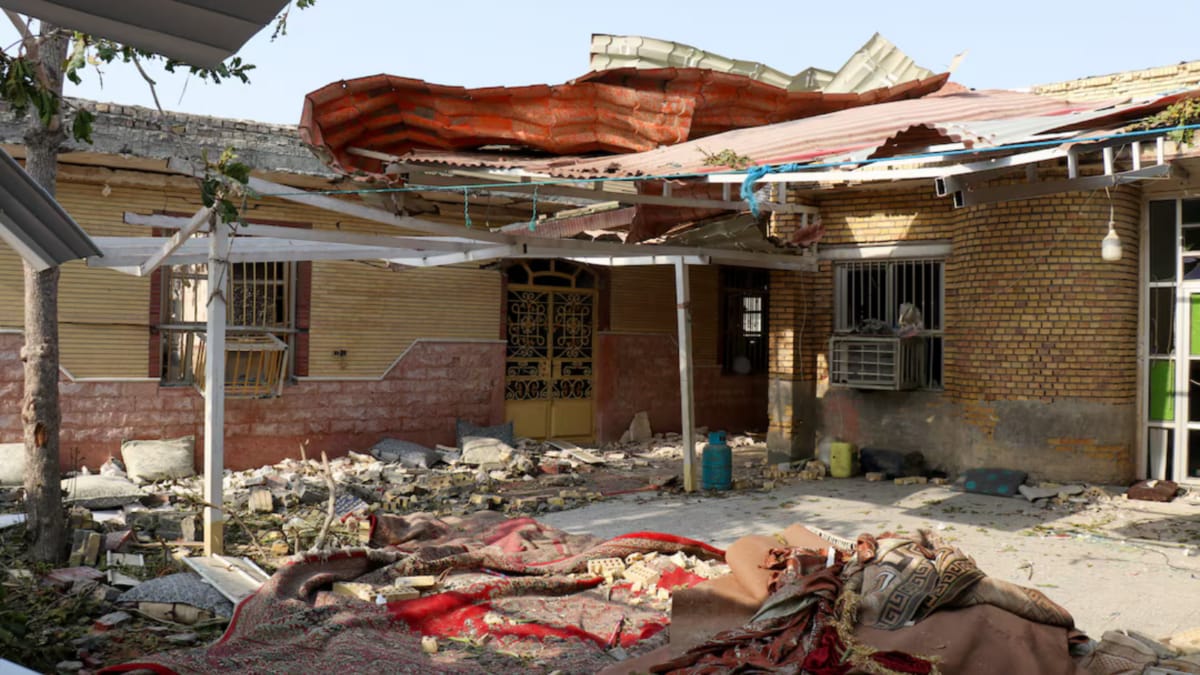
Missile Strike Kills Five At Iranian Wedding, Injures Dozens

India Begins FY28 Budget Planning Amid Subsidy and Deficit Pressures
