2 weeks ago
Scientists Discover New Blind Underground Eel Near India-Nepal Border

Scientists found a tiny fish living in underground water in India.
It was discovered after researchers saw a 2024 TikTok video of a similar animal.
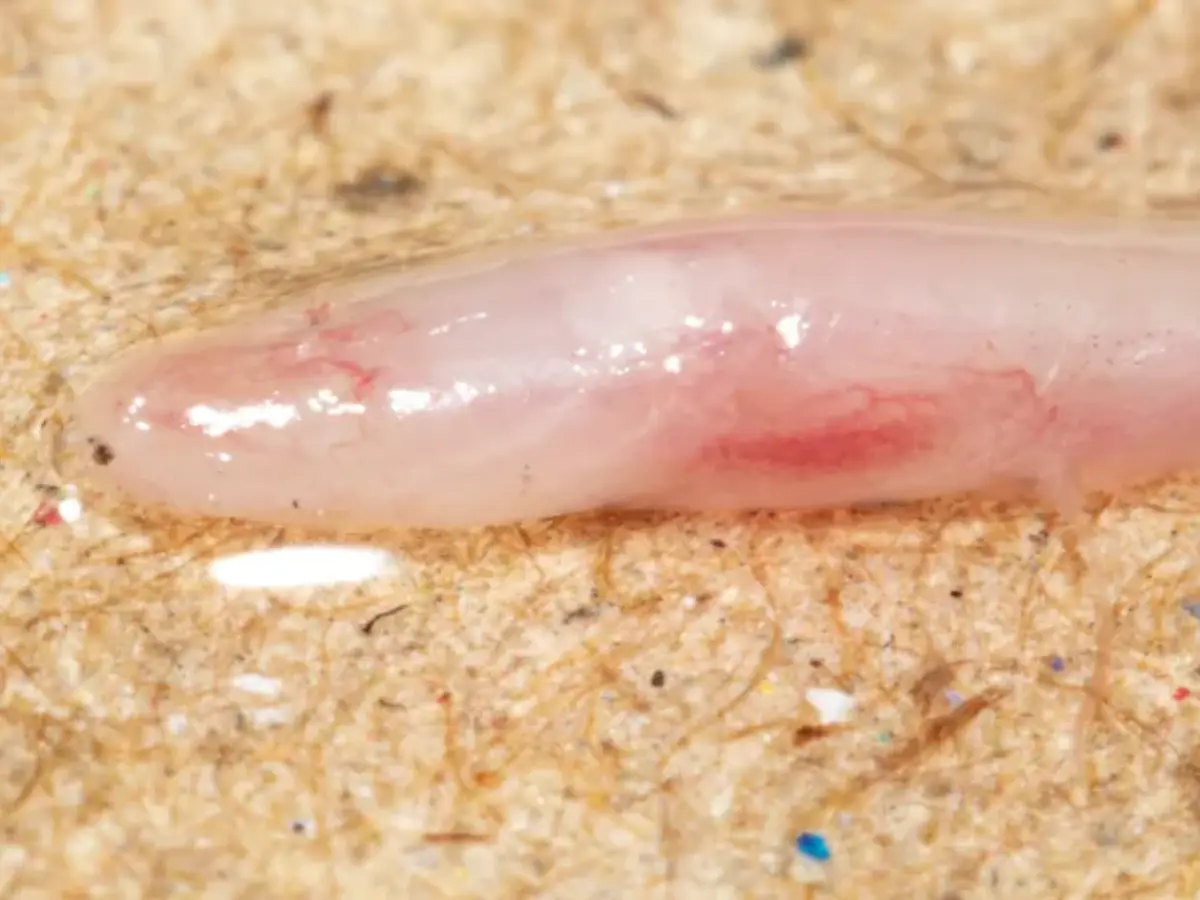
The fish is almost see-through and about four centimetres long.
It lives in places that are very dark.
Its eyes are covered by skin, and it appears to have no ribs.
Researchers searched wells and borewells near the India-Nepal border.
The first fish they found died soon afterward, but they located another one after pumping more water.
Tests showed that it was not only a new species but also the first member of a new genus called Gangaichthys indonepalicus.

Indian and Chinese scientists identified a new subterranean earthworm eel in Bihar’s Gangetic Basin.
The translucent, nearly colourless fish measures about 1.5 inches, or roughly four centimetres, long.
Researchers first noticed the animal in a 2024 TikTok video showing it emerging near a borewell.
The team found specimens by pumping water from wells and borewells near the India-Nepal border.
Genetic tests and micro-CT scans identified a new genus named Gangaichthys indonepalicus.
- Who
- An international team of scientists from India and China, including study co-author Akshay Khandekar, identified the fish.
- What
- They identified a new subterranean earthworm eel species and genus named Gangaichthys indonepalicus.
- Where
- The fish was found in underground water sources in Bihar’s Gangetic Basin near the India-Nepal border.
- When
- Researchers first saw the fish in a 2024 TikTok video; the findings were later published in ZooKeys.
- Why
- Scientists investigated the unusual animal because it appeared in a video and no subterranean fish had previously been recorded from the region.
Key facts
- Scientific name
- Gangaichthys indonepalicus
- Length
- About 1.5 inches, or roughly four centimetres
- Habitat
- Underground water sources, including wells and borewells
- Location
- Bihar’s Gangetic Basin near the India-Nepal border
- Physical features
- Nearly colourless, translucent body; skin-covered eyes; apparently no ribs
- Specimen search
- The first specimen appeared after about 530 gallons of water were pumped; it died soon afterward
- Second specimen
- A second fish was found after an additional 132 gallons were pumped from the same borewell
- Publication
- The study was published in ZooKeys
Sources
Related news

Researchers Uncover New Subterranean Earthworm Eel in Gangetic Basin
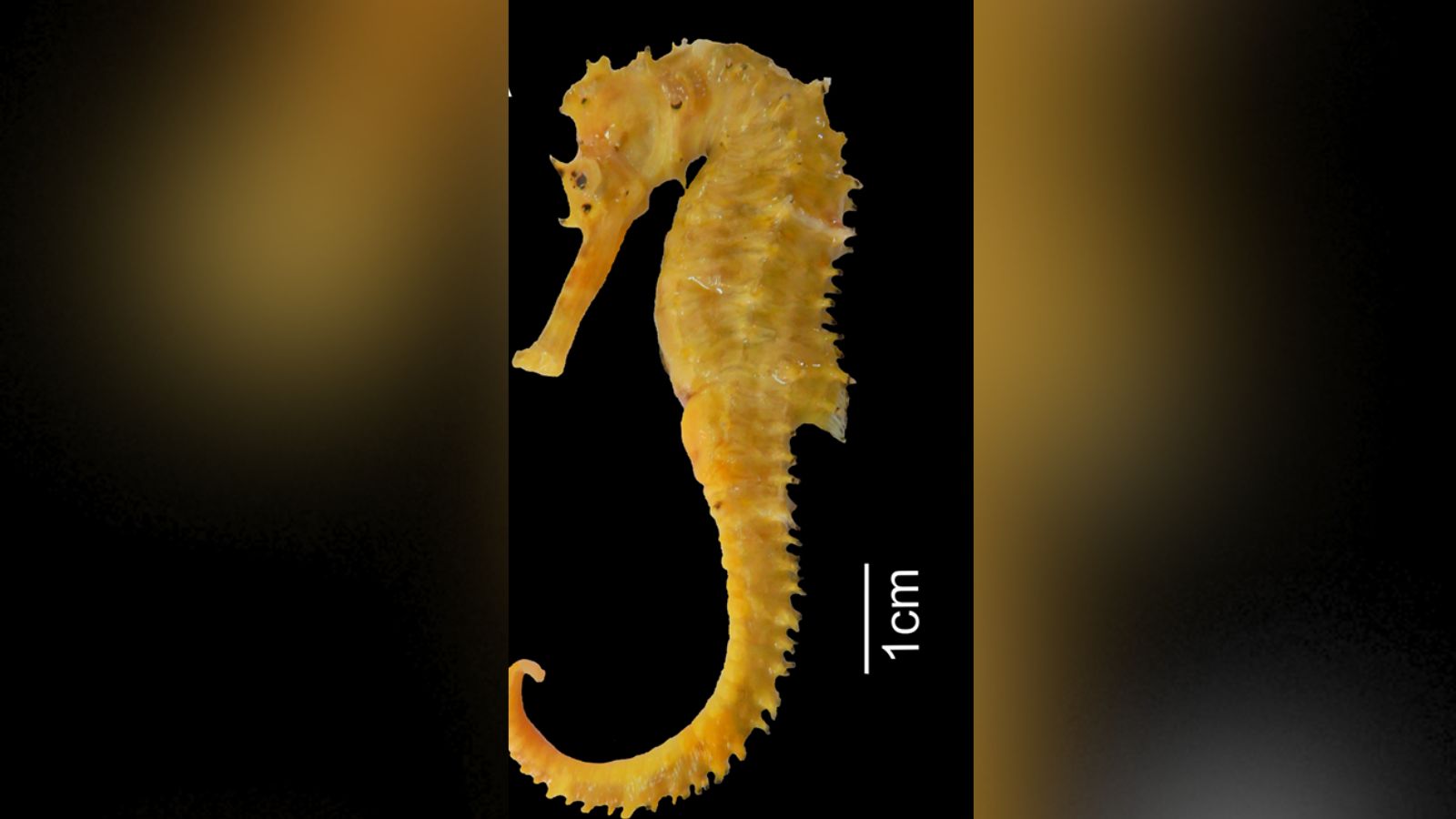
Kerala scientists discover new seahorse species in Indian Ocean

Scientists Discover New Deep-Sea Skate in Arabian Sea
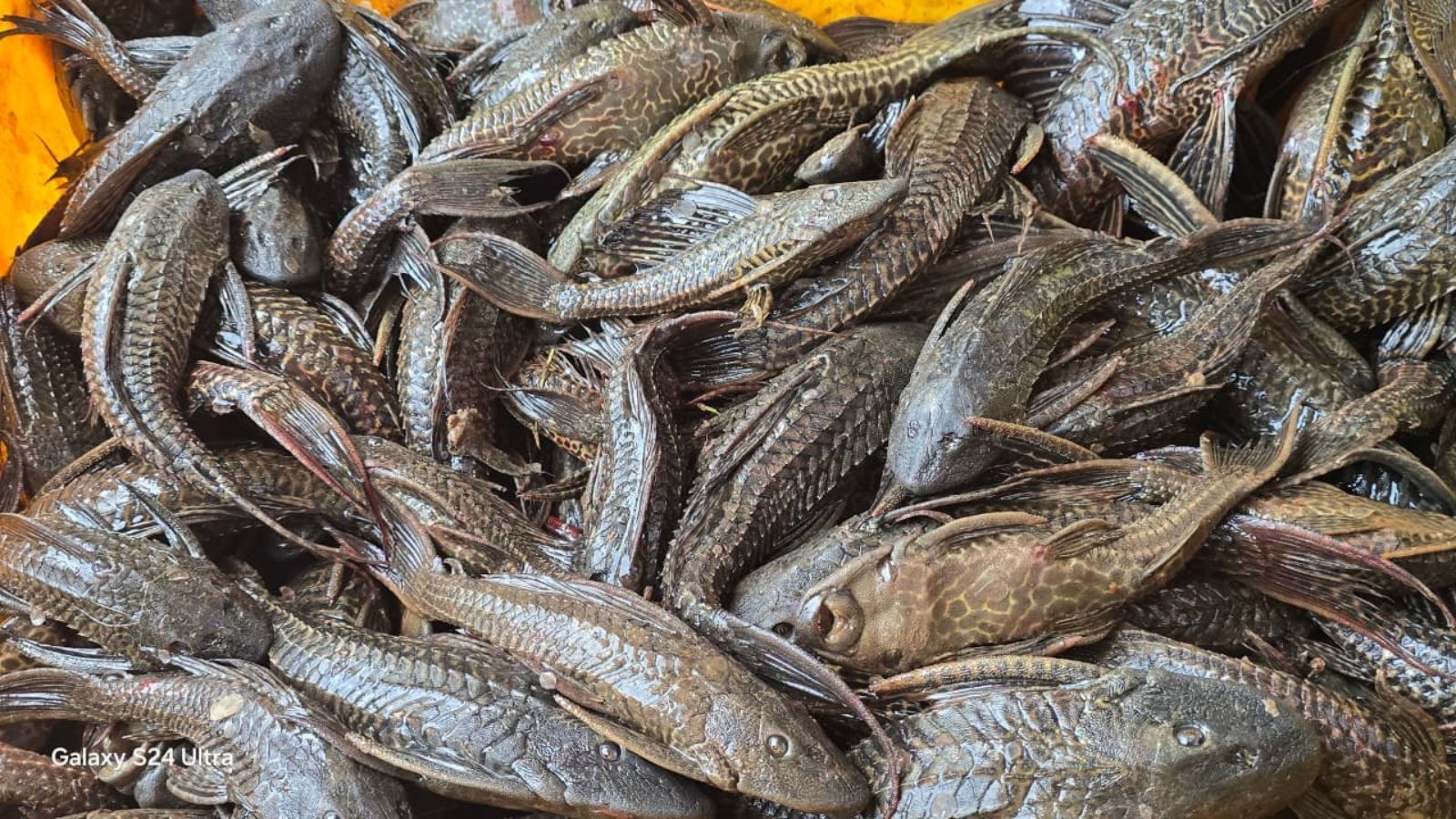
Invasive Fish Spawn India's First Fishermen-Driven Removal System
Bihar Warns Against Unknown Fish Carried By Nepal Floodwaters

Stocks to Watch Thursday as Key Corporate Developments Drive Focus

Jarange Accuses Maharashtra Government of Inciting Riots During Fast

Mumbai Trains Election Officials Amid Statewide Electoral Roll Revision

Bombay Gymkhana Squash Finals Set After Junior Semifinals

NMMC Launches Navi Mumbai Drive to Protect Existing Trees