3 weeks ago
Invasive Fish Spawn India's First Fishermen-Driven Removal System
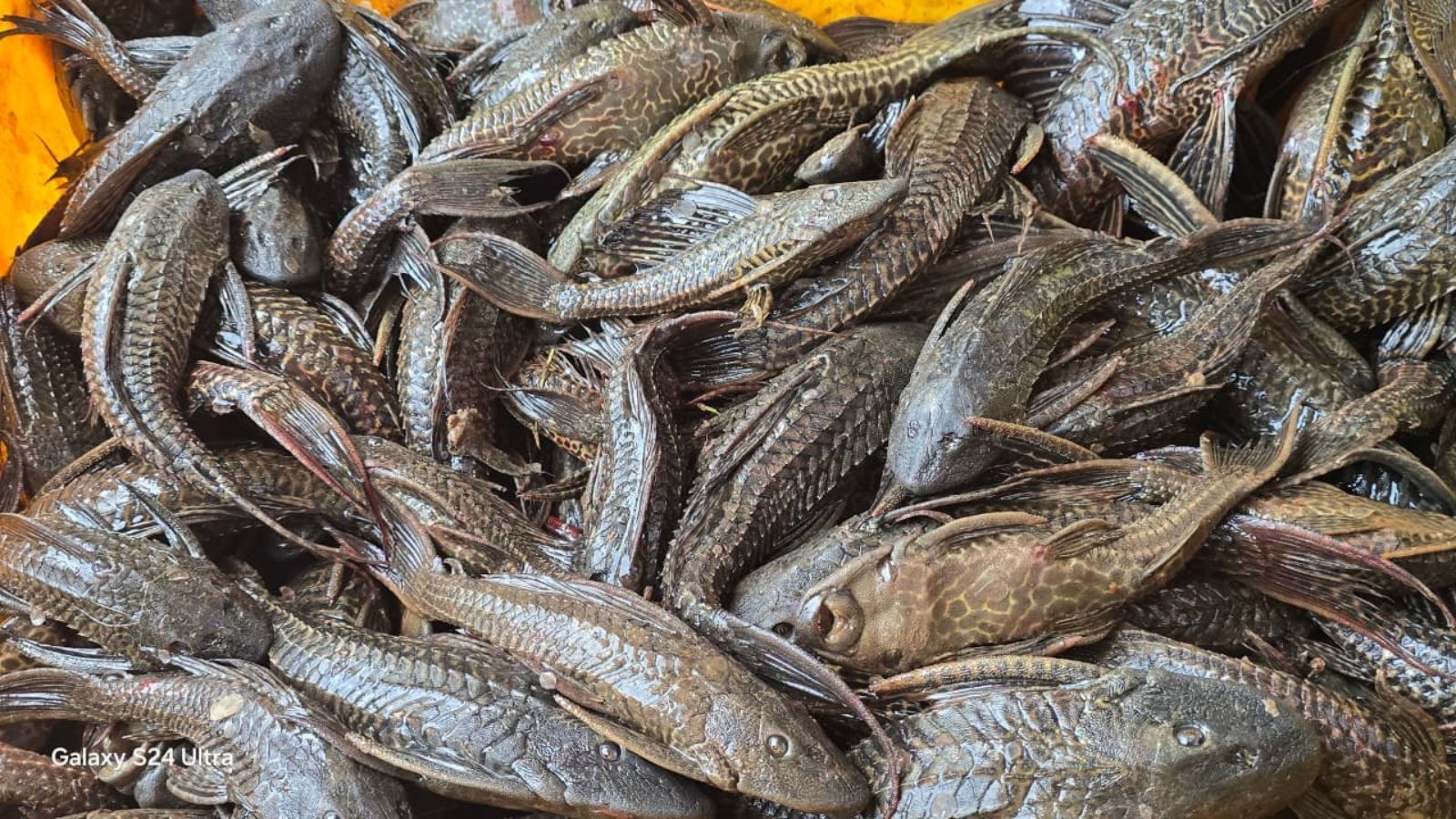
Some fish from far away have moved into a big lake in India called the Ujani reservoir.
These fish, like the suckermouth catfish, came from the Amazon River in South America.
People kept them in fish tanks, but when they grew too big, they were thrown into rivers.
Now almost all the fish in the lake are these foreign fish, and the native fish are disappearing.
The foreign fish eat fish eggs and dig holes in the riverbank, which can hurt the dam.
Fishermen who used to catch many good fish now catch mostly these unwanted fish.
The fish are not good to eat, so fishermen could not sell them.
A science group called BNHS started a plan to fix this problem.
They pay fishermen to collect the bad fish, and the fish is turned into plant food.
Already more than 36 tonnes of these fish have been taken out of the reservoir, making this the first program like it in India.

Invasive alien species—suckermouth catfish, Tilapia, and African catfish—now make up about 97 per cent of fish in Ujani reservoir, leaving only 3 per cent native fish.
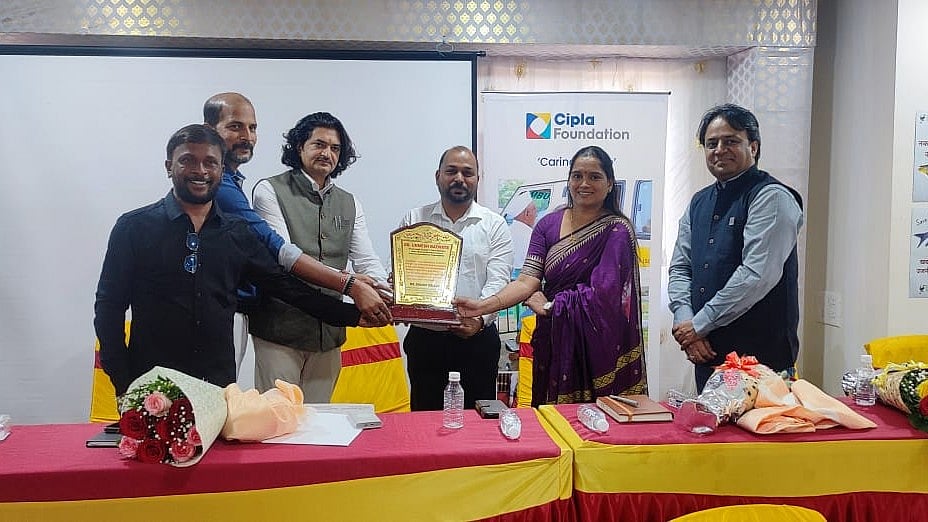
The Bombay Natural History Society (BNHS) launched India's first community-driven suckermouth catfish collection centre at Bhigwan fish market on April 7.
Suckermouth catfish, native to South America's Amazon River, entered India through the aquarium trade and is nicknamed the 'Helicopter fish.'
Over 36 tonnes of suckermouth catfish have been removed and processed into molasses used as fertiliser by oil mills in Taloja and Ratnagiri.
More than 20,000 fishermen, traders, transporters, and labourers depend on the reservoir, where invasive species make up 70-80 per cent of daily catches.
- Who
- The Bombay Natural History Society (BNHS), including ichthyologist Dr Unmesh Katwate, and the fishing communities of Bhigwan and Dalaj, such as Bharat Mallav and Datta Pawar.
- What
- India's first fishermen-driven removal and native-restocking programme to combat invasive suckermouth catfish, Tilapia, and African catfish in Ujani reservoir.
- Where
- Ujani reservoir on the Bhima river in Maharashtra, India, with the collection centre at Bhigwan fish market.
- When
- The collection centre was inaugurated on April 7, and the alien fish takeover has built up over roughly two decades.
- Why
- Invasive alien fish have decimated native fish populations, eroded the Bhima river bank, and threatened the livelihoods of over 20,000 people dependent on the reservoir.
Key facts
- Location
- Ujani reservoir, Bhima river, Maharashtra, India
- Invasive species
- Suckermouth catfish, Tilapia, African catfish
- Alien fish share
- About 97 per cent of fish found in reservoir
- Native fish share
- Only 3 per cent
- Fish removed
- Over 36 tonnes of suckermouth catfish
- Fishermen incentive
- Rs 2 per kg above auction rate
- Collection centre opened
- April 7 at Bhigwan fish market
- Livelihoods at risk
- Over 20,000 fishermen, traders, transporters, and labourers
Quotes
Dr. Unmesh Katwate
Ichthyologist at BNHS
“"As this fish is put to clean aquariums, and when they grow in size and become a menace to other fishes, instead of killing them, they are usually dumped into canals, streams or rivers."”
 indianexpress.com
“"Just around five years ago we used to get surprised to see suckermouth catfish in our nets because of its strange appearance."”
indianexpress.com
Sources
Related news
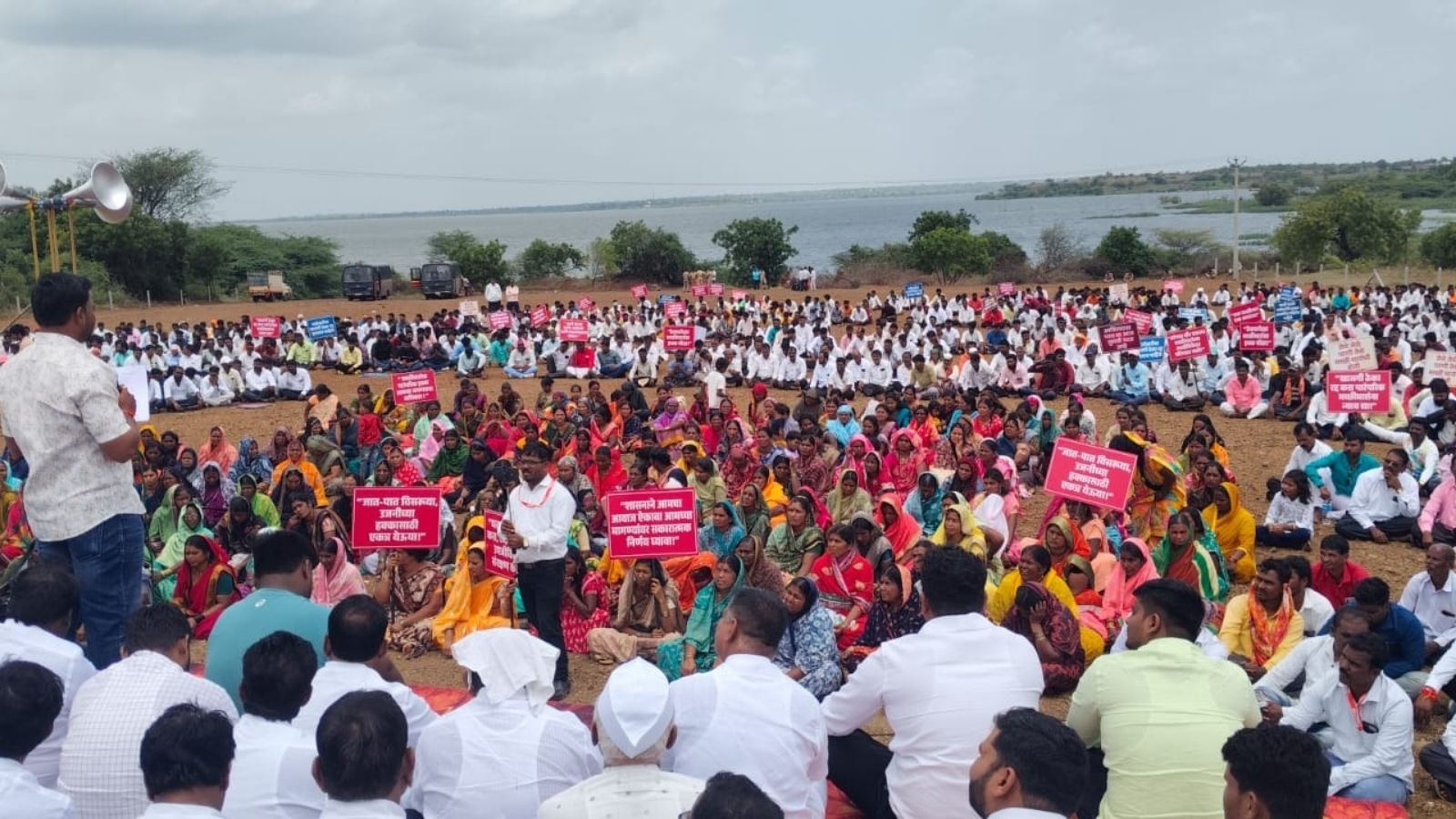
Pune Fishermen Protest Ujani Dam Fishing Contract, Floating Solar Project
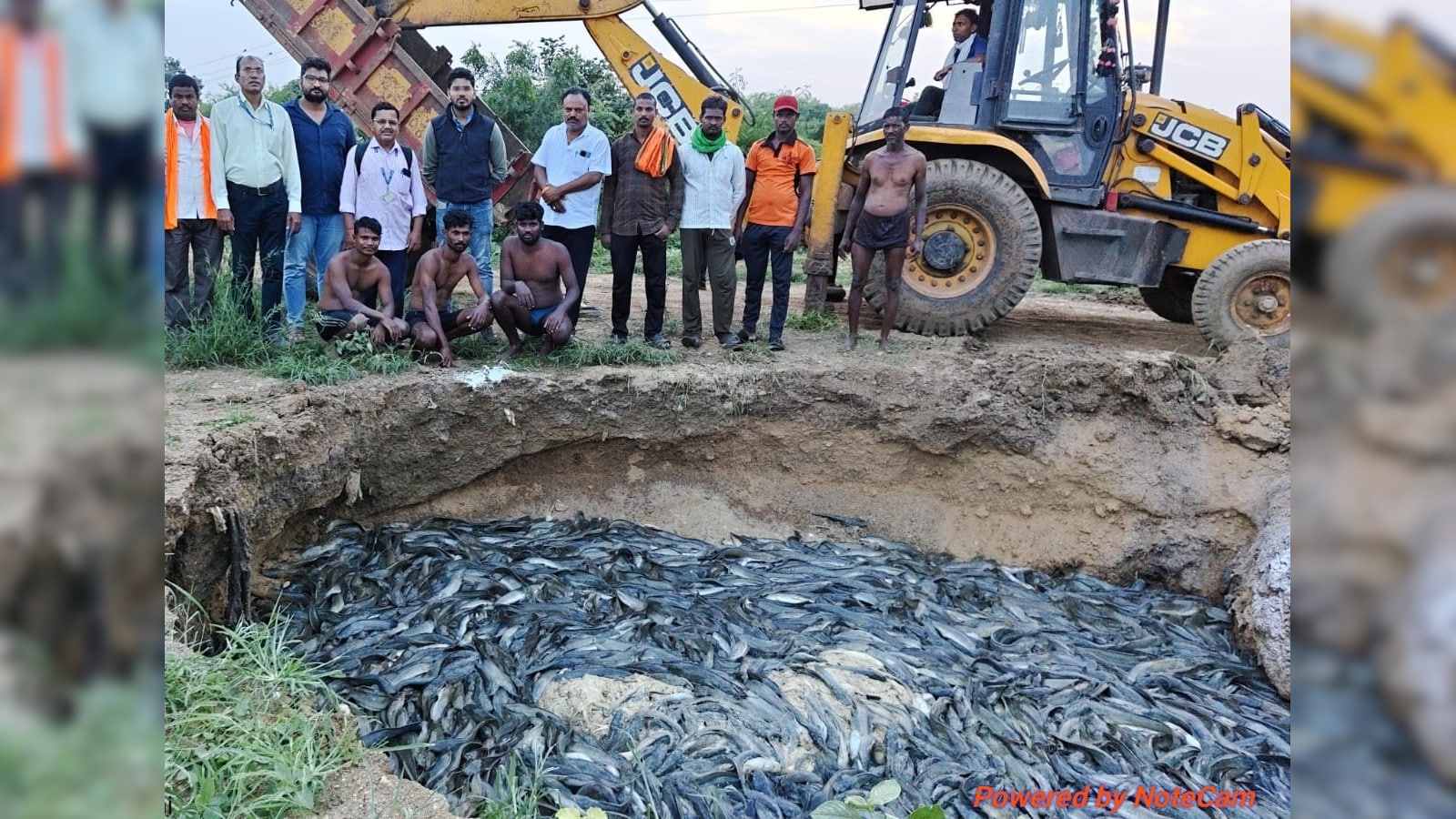
Nagpur Fisheries Department Destroys 36 Tonnes of Banned Thai Mangur

Minister Highlights Rising Fish Exports, New Markets Despite US Tariffs

Ex-serviceman accused in wife’s murder found hanging near Bhima River
NCP (SP) MPs meet PM Modi; discuss Maharashtra issues
NMMC's sanitation team cleans Pandharpur during Ashadhi Wari
Pandharpur Corridor Project Needed for Rising Warkari Footfall