

1 hr ago
Neurowellness Rebrands Old Practices for Modern Mental Wellbeing
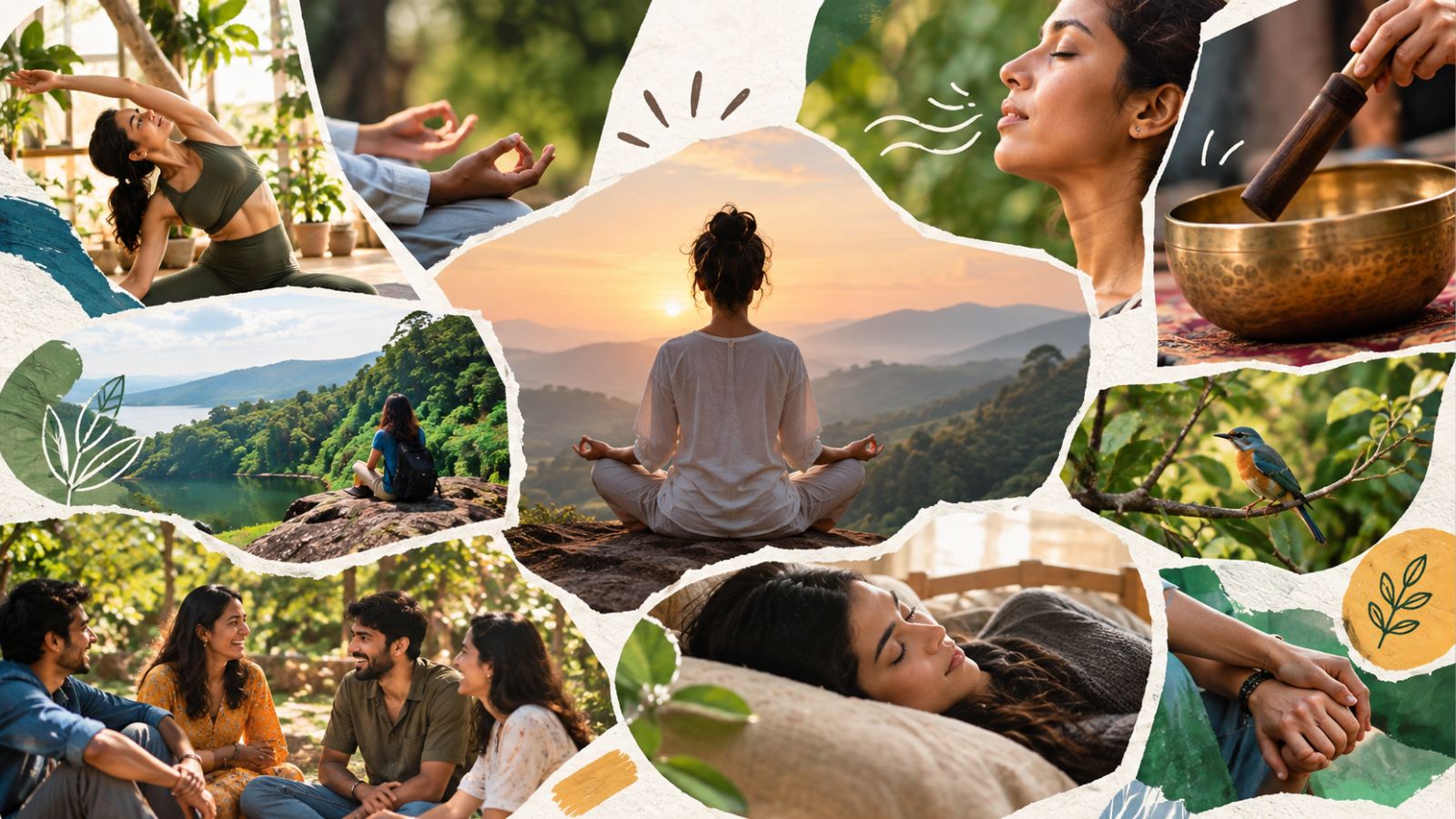
Neurowellness is a new name for taking care of your brain and feelings as well as your body.
Many of its activities, like yoga, breathing exercises, and meditation, have been around for a long time.
People are paying more attention to them because they feel stressed, tired, distracted, or unable to sleep well.
Experts say caring for the brain can include sleeping enough, moving your body, connecting with other people, and making time to rest.
Helping your nervous system recover from stress does not mean you must feel calm every moment.
Some hotels now offer longer wellness experiences instead of just one treatment.
But people do not need an expensive programme or a gadget to support their wellbeing.
Taking a quiet break from phones and other constant noise can also help.

Neurowellness is an emerging wellness-industry term, not a formally established clinical concept.
It describes a broad approach to brain health, including sleep, exercise, emotional wellbeing, and stress management.
Meditation, yoga, breathwork, and time in nature are familiar practices gaining new appeal as people seek help with sleep and mental overload.
Experts distinguish nervous-system regulation—the ability to respond to stress and recover—from being calm all the time.
Specialist wellness programmes offer structured time to disconnect, but experts say everyday habits such as sleep, movement, breaks, and social connection also matter.
- Who
- People seeking better sleep, focus, stress management, and emotional wellbeing; clinicians and wellness-industry representatives describe the trend.
- What
- Familiar wellness practices are being grouped and marketed under the term neurowellness.
- Where
- The trend is discussed in the context of wellness services, including Ganga Kinare Resorts and Hotels and Kurundu Wellness at Cinnamon Life in Colombo, Sri Lanka.
- When
- The article describes a current shift in wellness interests; it gives no specific date.
- Why
- People report mental overload, disrupted sleep, difficulty switching off, and a desire for rest and recovery.
Key facts
- Term
- Neurowellness
- Status
- Described by a clinical psychologist as an emerging wellness-industry umbrella term, not a formally established clinical concept.
- Practices mentioned
- Sleep, regular physical activity, meditation, yoga, pranayama, breathwork, social connection, and time in nature.
- Nervous-system regulation
- The ability to respond appropriately to stress and return towards a calmer baseline afterward.
- Kurundu offerings
- Traditional Himalayan Sound Healing and a Sleep Enhancement Ritual.
- Ganga Kinare programmes
- Offer combinations of yoga, meditation, kriya, pranayama, therapies, wellness cuisine, and nature experiences.
- Everyday suggestions
- Prioritise sleep, move regularly, take uninterrupted breaks, reduce constant stimulation, and make room for social connection and enjoyable activities.
Quotes
Dr Munia Bhattacharya
Senior Consultant in Clinical Psychology at Marengo Asia Hospitals, Gurgaon
“Neurowellness is a broader approach to supporting brain and nervous-system health through habits such as adequate sleep, regular physical activity, balanced nutrition, social connection, stress management, cognitive stimulation and emotional wellbeing.”
 indianexpress.com
“Someone who would never touch anything labelled spiritual will happily do the same breathwork if it’s framed as nervous system regulation, backed by a chart and a heart rate number.”
indianexpress.com
Sources
Related news

Wellness Holidays Replace Sightseeing-Focused Travel Itineraries

Mantra Chanting Enters Mainstream Wellness As Stress Relief

Why the Stillcation Is Becoming Travel’s Ultimate Luxury

Why Relaxing Is Making More People Feel Anxious

Quiet Mornings May Help Brains Avoid Early Digital Overload

Dr. Aayushi Vithlani Launches Book at ICA Conclave 2026
Sri Lanka Arrests Former First Lady in Charity Fraud Investigation

ICC Anti-Corruption Chief Warns of Risks in Legends Leagues

Air India Express Expands Winter Schedule, Chennai Routes Still Missing
Usman Tariq Posts Cryptic Message After Pakistan Squad Omissions
