1 hr ago
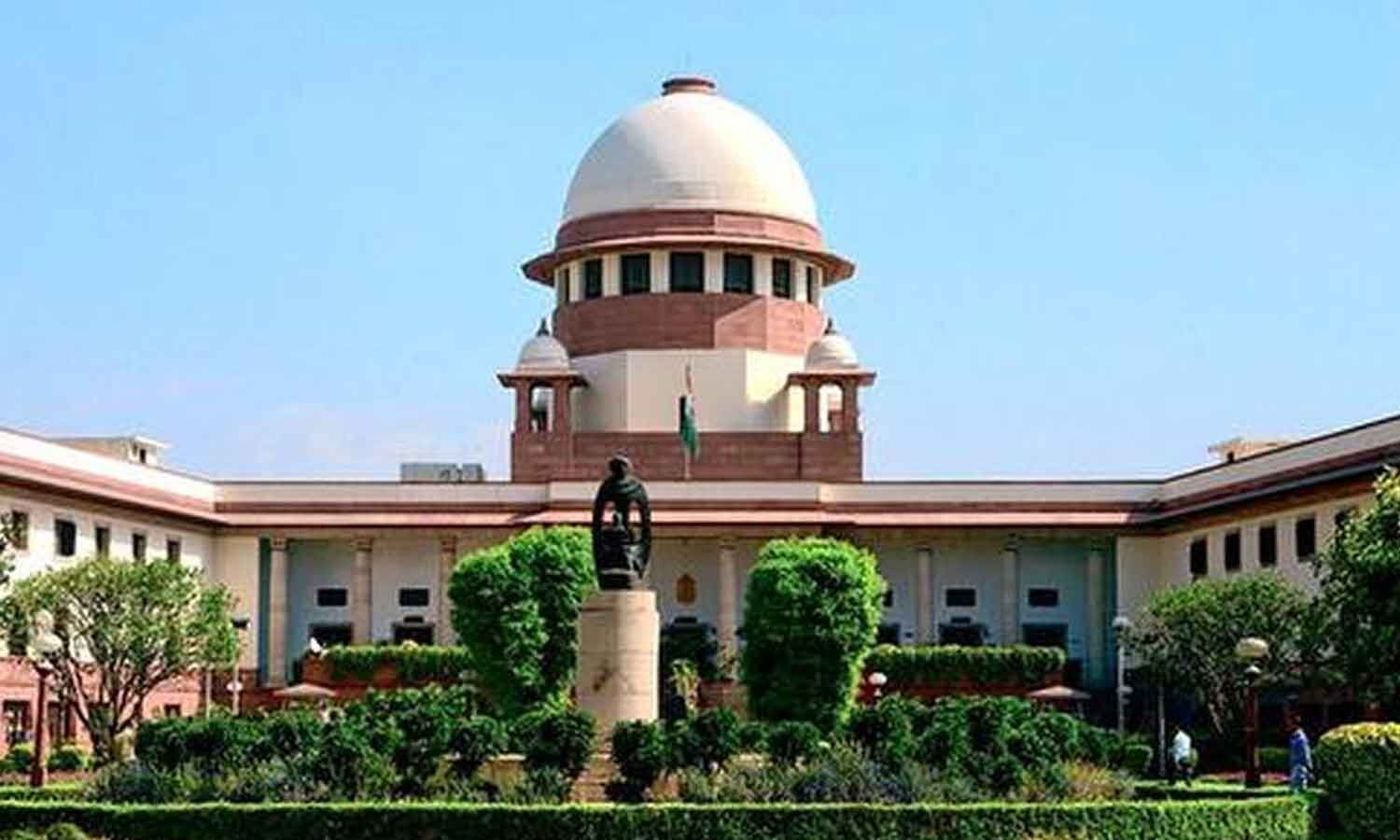
Supreme Court Rejects Abu Salem’s Plea For Early Release
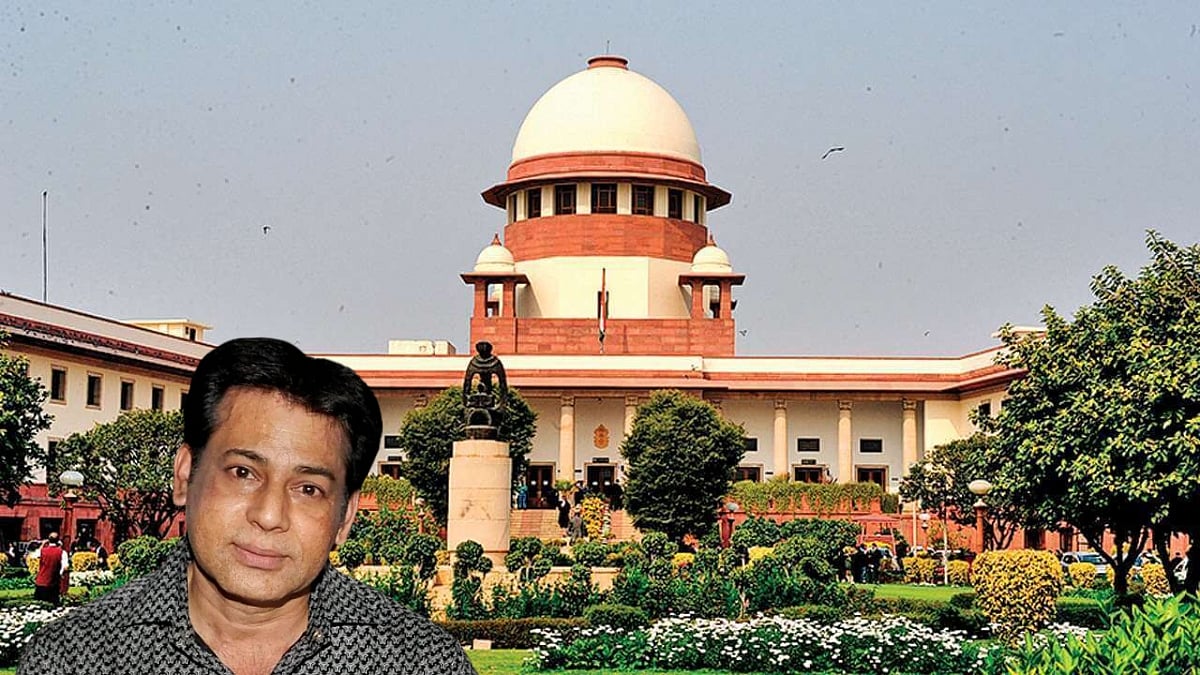
The Supreme Court decided that Abu Salem will not be released early.
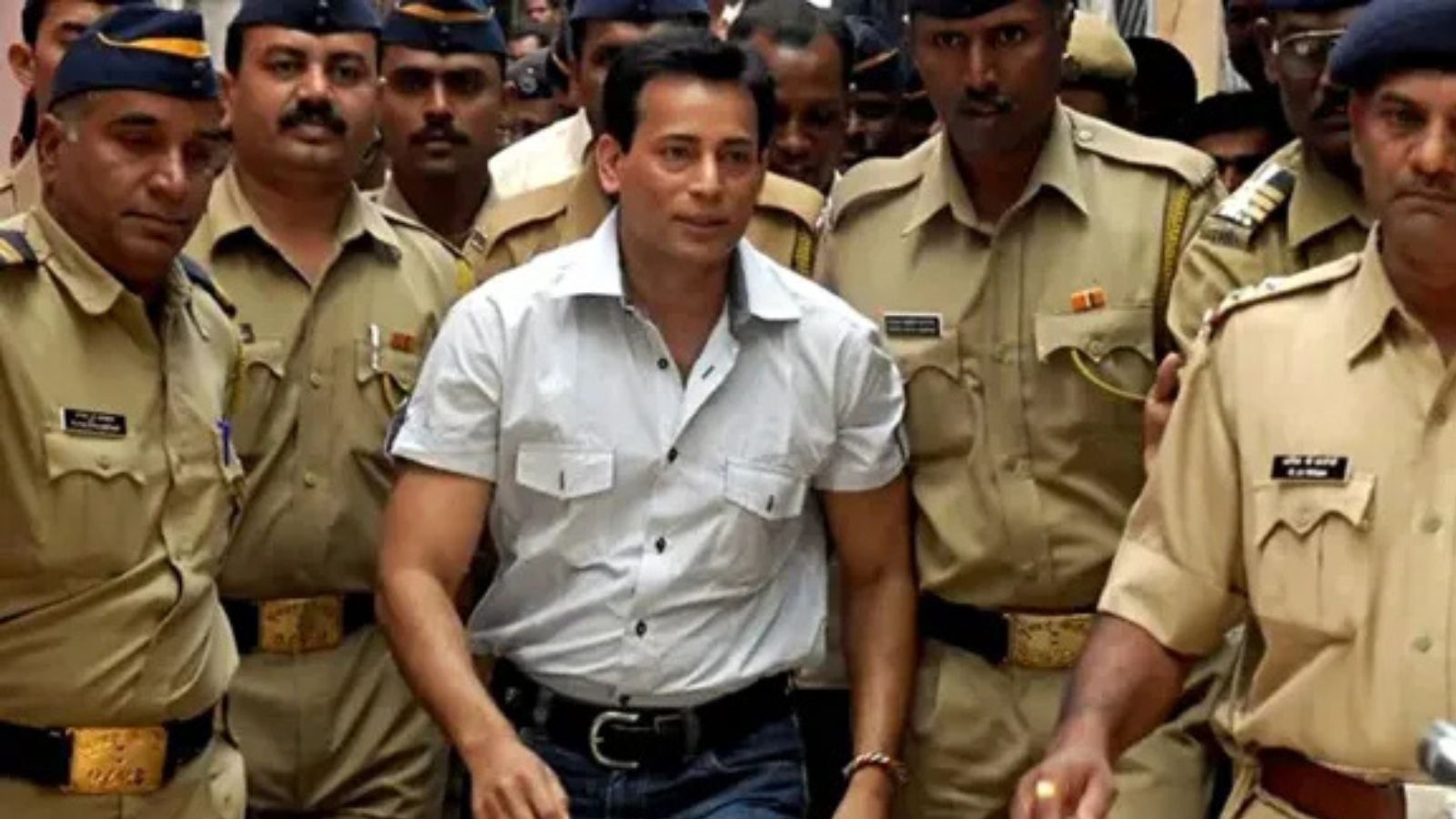
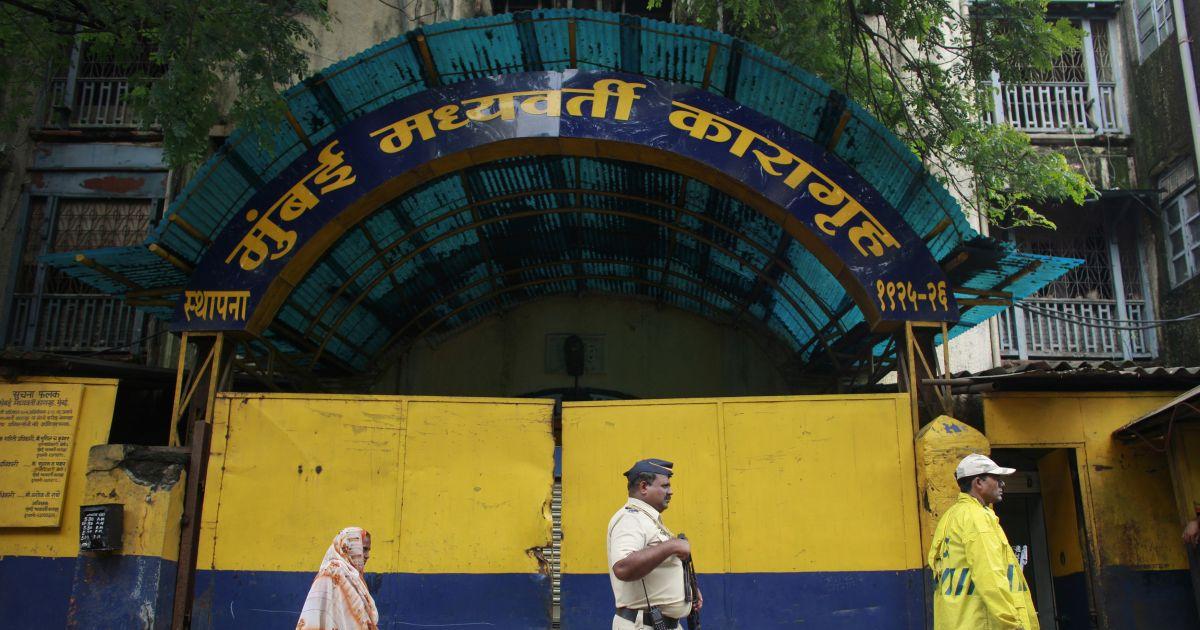
Salem is in prison for his role in the 1993 Mumbai serial blasts case.
He was extradited from Portugal to India in 2005.
India had assured Portugal that he would not be imprisoned for more than 25 years.
Salem said his time as an undertrial prisoner should count toward those 25 years.
He also wanted credit for time reduced because of good behavior.
The Bombay High Court rejected his argument and said the period ends in November 2030.
The Supreme Court agreed with that decision.

The Supreme Court dismissed gangster Abu Salem’s plea seeking premature release from prison.
Salem is serving a life sentence for the 1993 Mumbai serial blasts case.
He argued that his 25-year imprisonment limit under India’s extradition assurances to Portugal had been completed.
His lawyers sought credit for undertrial custody and about three years and two months of good-conduct remission.
The court upheld the Bombay High Court’s rejection of his plea, which held that the 25-year period ends in November 2030.
- Who
- The Supreme Court of India, Abu Salem, and the Bombay High Court are involved.
- What
- The Supreme Court dismissed Abu Salem’s plea for premature release from his life sentence.
- Where
- The case concerns imprisonment in India and extradition assurances given to Portugal.
- When
- The Supreme Court issued its decision on Thursday; the articles differ on whether the Bombay High Court order was issued in April 2025 or April 15, 2026.
- Why
- Salem argued that his undertrial custody and good-conduct remission should count toward a 25-year imprisonment limit promised to Portugal.
Abu Salem’s Arguments
Courts’ Position
Counting the 25-year period
Abu Salem’s Arguments
Salem argued that his undertrial custody, including time spent in custody before his 2017 conviction, should count toward the 25-year limit.
Courts’ Position
The Bombay High Court calculated the period from his arrest on November 11, 2005, concluding that it ends in November 2030.
Good-conduct remission
Abu Salem’s Arguments
Salem argued that roughly three years and two months of remission earned for good conduct should reduce the time counted under the extradition assurance.
Courts’ Position
The Bombay High Court held that earned remission could not further reduce the 25-year period arising from the extradition arrangement.
Basis for release
Abu Salem’s Arguments
Salem contended that the combined effect of his custody, remission, and other credits brought his imprisonment close to the 25-year threshold and that continued detention violated Article 21.
Courts’ Position
The Supreme Court found no infirmity in the Bombay High Court’s decision and dismissed the premature-release plea.
Key facts
- Case
- 1993 Mumbai serial blasts case
- Sentence
- Life imprisonment
- Extradition
- Salem was extradited from Portugal to India in November 2005.
- Extradition assurance
- India assured Portugal that Salem would not be sentenced to death or imprisoned for more than 25 years.
- Remission claimed
- About three years and two months for good conduct
- High Court position
- The 25-year period was calculated from November 11, 2005, and would end in November 2030.
- Reported date discrepancy
- One article dates the Bombay High Court order to April 15, 2026, while another dates it to April 2025.
Sources
Related news
2011 Mumbai Blasts Accused Gets Bail After 15 Years

NIA Court Rejects Shamil Nachan's Bail, Cites Suppression of Facts

Supreme Court Sets September 2 Deadline for Dara Singh Remission
Supreme Court to Hear Tejpal’s Surrender Exemption Plea

Supreme Court Orders Odisha to Decide Dara Singh Remission Plea
Bombay High Court frees 2006 kidnap-murder convict on reformation grounds

Delhi Building Collapses Expose Failure to Act on Warnings
Supreme Court Questions BCCI Over Sports Governance Act
Supreme Court Calls for Strict Enforcement of Seat Belt Law

Odisha Mining Law Sparks Fresh Centre-State Tussle