3 weeks ago
Gujarat NIA court denies bail to ISIS ricin plot accused

A judge in India said no to letting a doctor out of jail while he waits for his trial.
The doctor's name is Dr. Syed Ahmed Mohiuddin.
Police say he was part of a dangerous plan connected to a group called ISIS.
They believe he was making a very poisonous substance called ricin at his home in Hyderabad.
Ricin comes from castor beans and is so dangerous it can make many people very sick or even die.
Police also say they found three guns and 30 bullets with him when he was caught.
The doctor's lawyer said he was innocent and did not know about the guns or the poison.
But the judge said that because the doctor studied medicine, he must have known what ricin is.
The judge said there was enough evidence to keep him in jail for now.
Keeping someone in jail until their trial is called denying bail.

On 10th August, a Special NIA Court in Ahmedabad, Gujarat, rejected the regular bail plea of Dr. Syed Ahmed Mohiuddin, the main accused in the 2025 ISIS ricin terror plot case.
The court said the chargesheet contained prima facie material against him under UAPA Sections 16, 17, 18, 18-B and 20, BNS Section 61(2), and the Arms Act.
The prosecution alleged Mohiuddin converted his Hyderabad residence into a clandestine laboratory to extract ricin from castor seeds and travelled to Mehsana carrying three pistols and 30 live cartridges without a licence.
He allegedly communicated with Telegram handler Abu Khadija, sought about US$4 lakh, collected Rs 1.90 lakh described as terror proceeds, and recorded and administered religious oaths to expand the network.
The court noted that, given his medical background, Mohiuddin could not be unaware of ricin's highly toxic nature, and refused bail citing the restrictions of Section 43D(5) of the UAPA.
- Who
- Dr. Syed Ahmed Mohiuddin, the main accused in the 2025 ISIS ricin terror plot case, and Special Judge (NIA) Hemang R. Rawal, who rejected his bail plea.
- What
- The Special NIA Court denied Mohiuddin's regular bail, finding prima facie evidence of his involvement in charges of preparing ricin and procuring weapons for a terror plot.
- Where
- Special NIA Court in Ahmedabad, Gujarat; the alleged laboratory was at Mohiuddin's residence in Hyderabad.
- When
- On 10th August.
- Why
- The prosecution linked him to a wider ISKP-linked conspiracy, alleging he prepared ricin for mass casualty attacks and carried weapons without a licence on the instructions of Telegram handler Abu Khadija.
Defence
Prosecution & Court
Knowledge of ricin and weapons
Defence
Mohiuddin was innocent and falsely implicated; he did not know the contents of the bags in which weapons were found and had no knowledge of preparing ricin.
Prosecution & Court
As a doctor he could not be unaware of ricin's deadly nature; the unlicensed lab at his home, recovered weapons, videos and communications indicate he acted on instructions for an improper purpose.
Involvement in a terror conspiracy
Defence
The material on record did not establish links with any terrorist organisation nor show intent to harm people.
Prosecution & Court
Telegram conversations with Abu Khadija, oaths taken and administered, requests for US$4 lakh, collection of terror proceeds, and travel to Delhi and Ahmedabad show involvement in a wider conspiracy.
Key facts
- Accused
- Dr. Syed Ahmed Mohiuddin, a doctor from Telangana who studied medicine in China
- Court
- Special NIA Court, Ahmedabad, Gujarat
- Judge
- Special Judge (NIA) Hemang R. Rawal
- Charges
- UAPA Sections 16, 17, 18, 18-B and 20; BNS Section 61(2); Arms Act
- Recoveries
- Three pistols, 30 live cartridges, Indian and US currency, and a bottle containing four litres of castor oil
- Alleged lab
- Residence in Hyderabad, set up without licence or permission
- Handler
- Abu Khadija, a wanted accused contacted via Telegram
- Funding alleged
- Sought about US$4 lakh; collected Rs 1.90 lakh described as terror proceeds
Sources
Related news

NIA Detains Ramagundam Suspects in Alleged ISIS Terror Plot

NIA Court Orders Trial in Punjab JeM Link Case
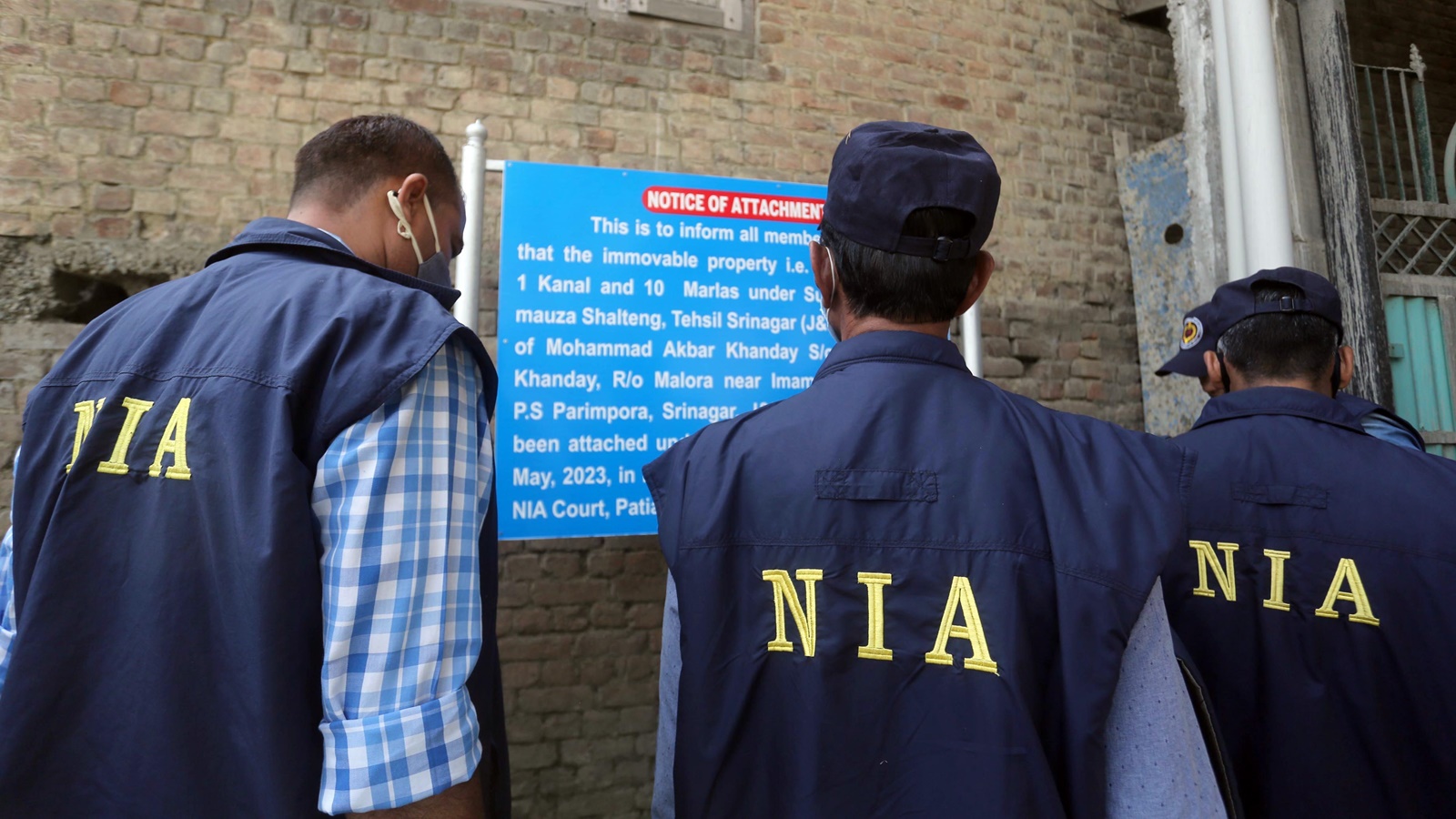
NIA Court Rejects Bail for Teacher Accused of Terror Support

High Court Rejects Default Bail for Red Fort Blast Accused
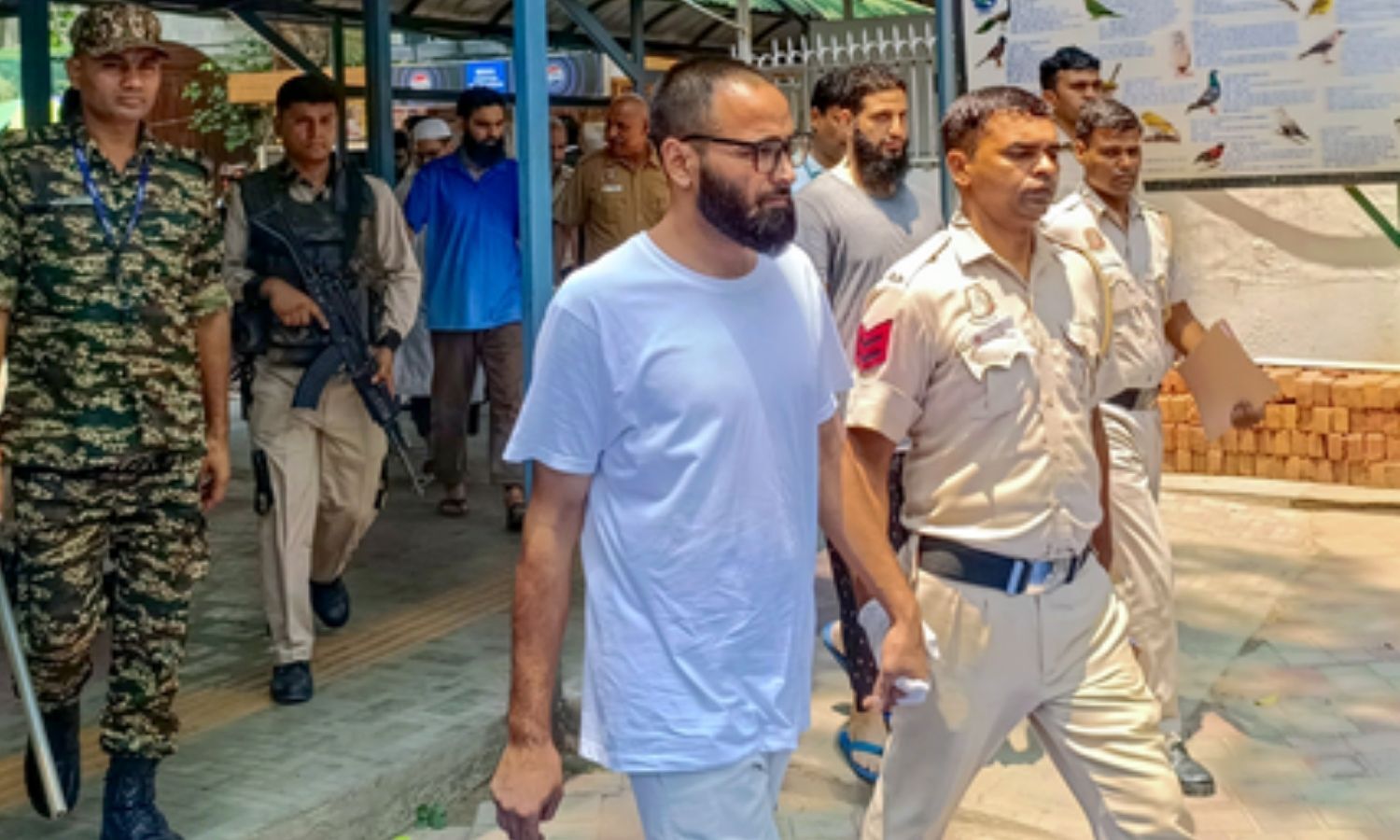
Delhi Court Accepts NIA Chargesheet in Red Fort Blast

NIA Court Sentences Al-Hind ISIS Conspiracy Accused to Seven Years

Pakistan Accused of Tolerating Terror Networks as Afghan Influence Fades

Trump Marks Abbey Gate Anniversary, Blames Biden Withdrawal Failures

Officials Warn of JeM-AQIS Plans to Spread Mass Unrest

Pakistan’s Competing Religious, Nationalist and Statehood Political Narratives

Pakistan Accused of Repurposing Lashkar Infrastructure for Afghanistan Activity