2 hrs ago
Rajnath Singh Seeks Integrated Civil-Military Aerospace Ecosystem for India
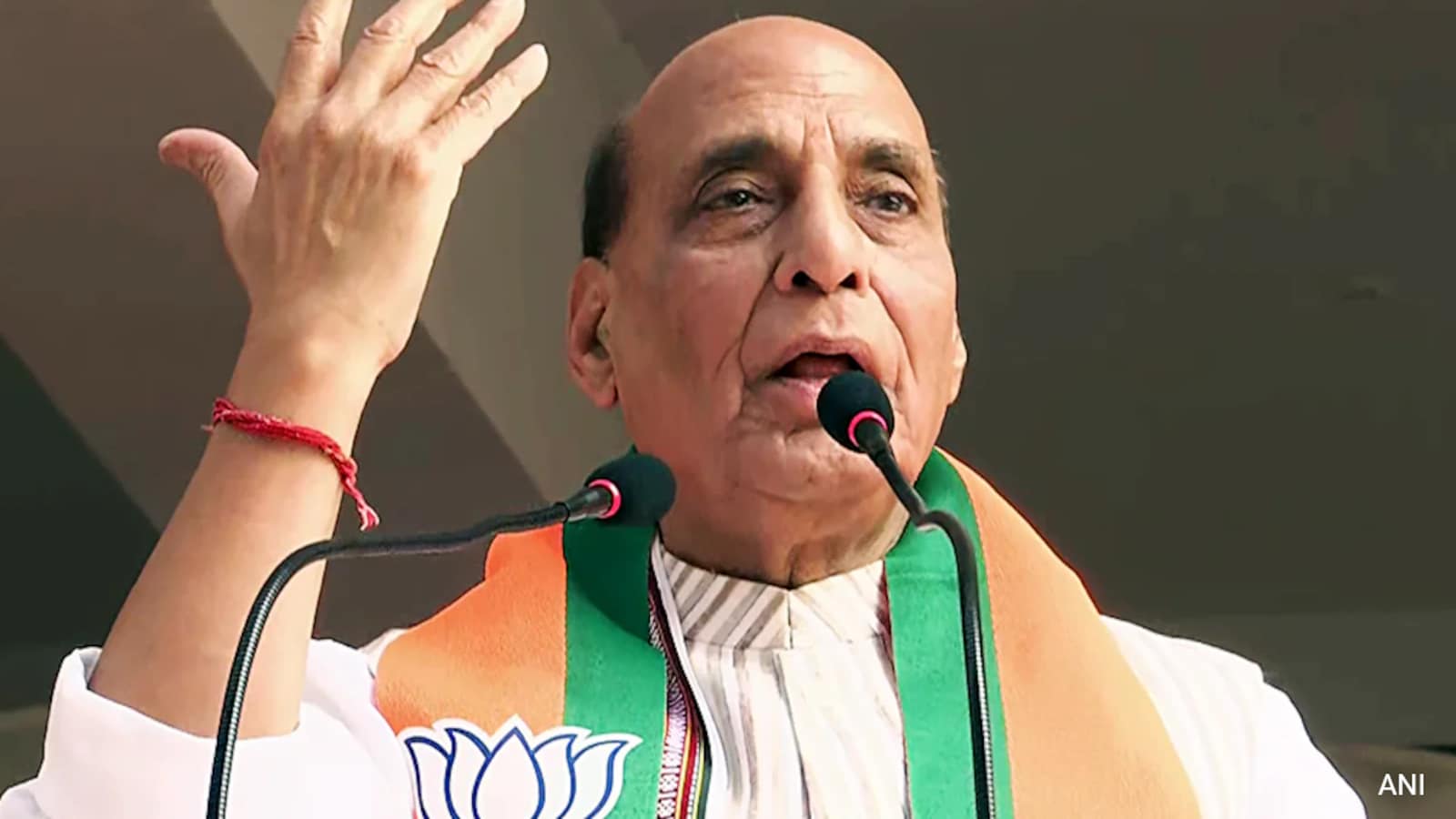
Defence Minister Rajnath Singh said India should build one aerospace system for civilian and military needs.
He said government organizations and private companies should work together rather than compete.
Singh wants India to develop more aircraft and aerospace technologies inside the country.
He said delays in defence projects can make equipment more expensive or outdated.
He highlighted artificial intelligence, unmanned systems, cyber technology and new aircraft engines as important areas.
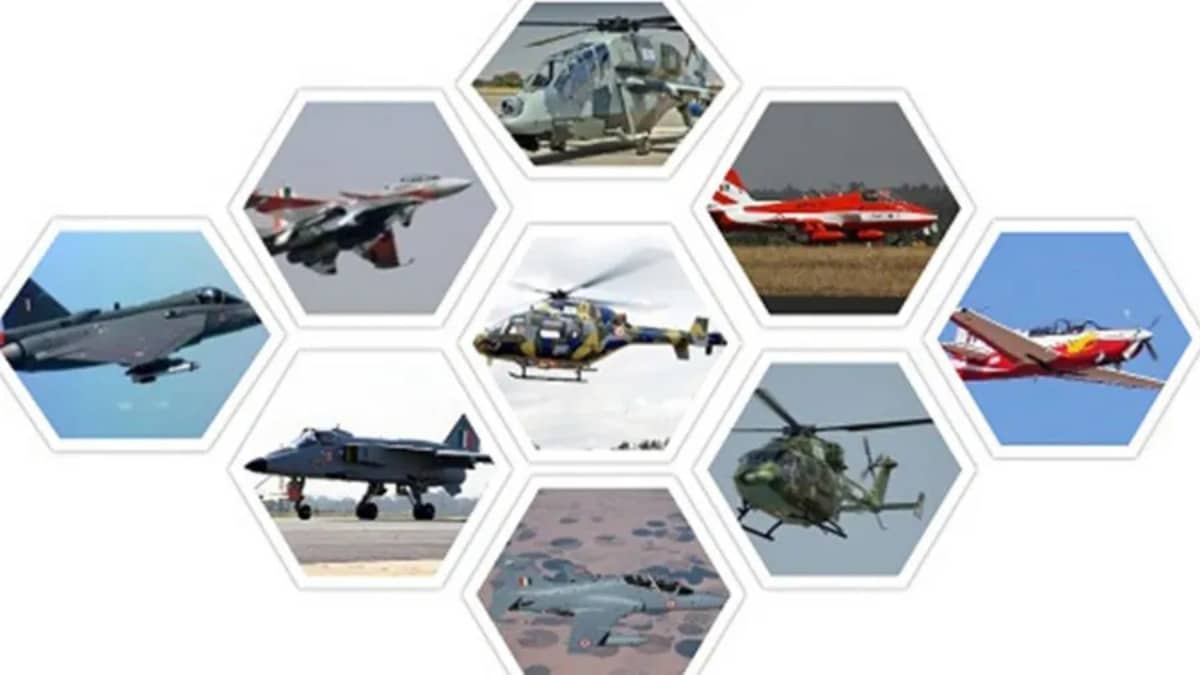
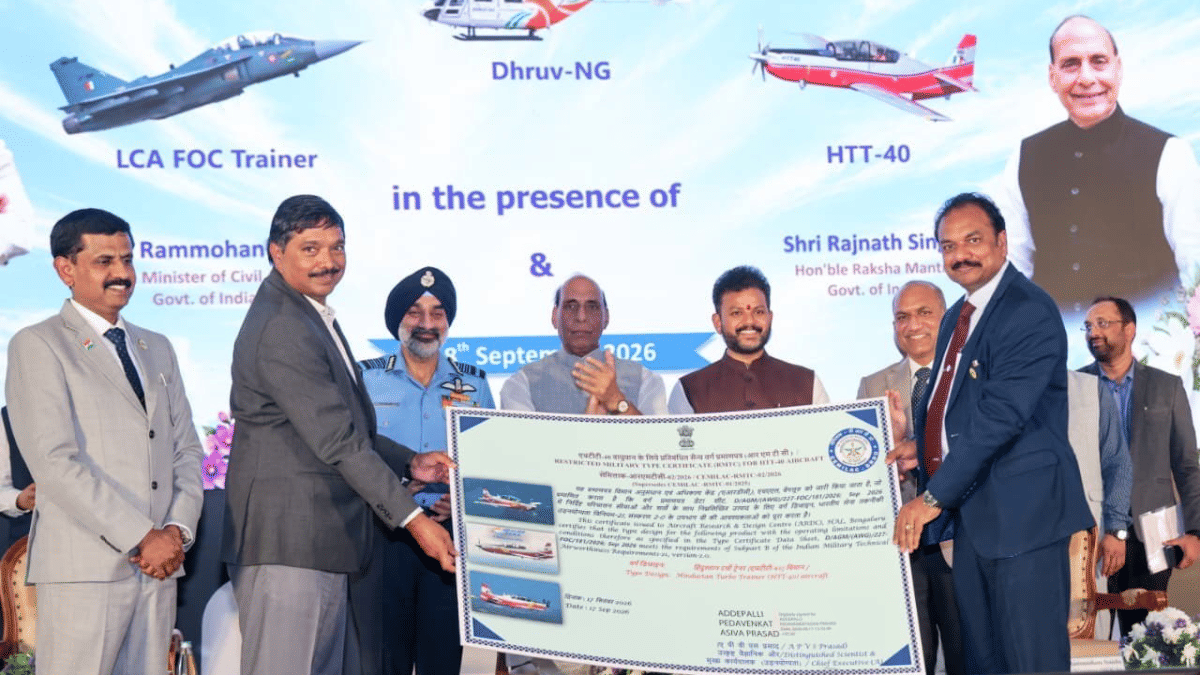
At the ceremony, aircraft were given to the Indian Air Force and helicopters to Pawan Hans Limited.
Singh said the HTT-40 will help train Indian pilots and could also be sold to other countries.
He said building a strong aerospace industry will take many careful steps.
He also said future air operations will depend heavily on information and technology.

Defence Minister Rajnath Singh called for an aerospace ecosystem serving both civil and military aviation.
Singh urged realistic timelines for defence technology projects, warning that delays can increase costs, create capability gaps and cause technology to become outdated.
He called for stronger public-private cooperation to develop indigenous aerospace technologies and reduce reliance on imports.
Artificial intelligence, autonomous systems, electronic warfare, cyber technologies and next-generation propulsion were identified as key priorities.
Hindustan Aeronautics Limited handed over Tejas twin-seat trainers and HTT-40 aircraft to the Indian Air Force, along with Dhruv Next Generation helicopters for Pawan Hans Limited.
- Who
- Defence Minister Rajnath Singh, Hindustan Aeronautics Limited, the Indian Air Force and Pawan Hans Limited.
- What
- Singh called for an integrated civil-military aerospace ecosystem, indigenous technology development and realistic defence-project timelines; aircraft and helicopters were handed over.
- Where
- At a Hindustan Aeronautics Limited ceremony in Bengaluru.
- When
- Friday, September 18.
- Why
- To strengthen India’s self-reliance and competitiveness in aerospace as warfare becomes increasingly technology-driven.
Key facts
- Event location
- Bengaluru
- Aircraft delivered
- Light Combat Aircraft Tejas twin-seat trainers and Hindustan Turbo Trainer-40 basic trainer aircraft
- Helicopters delivered
- Dhruv Next Generation helicopters
- Recipients
- The Indian Air Force received the trainers; Pawan Hans Limited received the helicopters
- Technology priorities
- Artificial intelligence, autonomous and unmanned systems, electronic warfare, cyber technologies and next-generation propulsion
- Project concern
- Singh warned that delays can create defence capability gaps, raise costs and make technology obsolete
- Industrial objective
- A self-reliant and globally competitive Indian aerospace sector
Quotes

Rajnath Singh
India's Defence Minister
“There are some issues on which we need to work. One very important issue is that of delays. For various reasons, including technological reasons, many of our technical projects that are under way also face delays. We will have to take these delays seriously,”
 NDTV
NDTV
“Let us not view the public and private sectors as competitors...There is a need for enhanced public-private synergy to build next-gen indigenous aerospace capabilities. By working together, we can accelerate the growth of India's aerospace sector,”
NDTV
 theprint.in
Sources
Related news
HAL to Hand Over Tejas, HTT-40s and Dhruv Helicopters

AMCA Should Build India’s Sovereign Aerospace and Propulsion Ecosystem

Former Air Marshal Details Technology Behind Operation Sindoor
IAF Chief backs theatreisation with step-by-step, India-specific approach
Tejas Trainer Handover Highlights Defence Delays and Technology Obsolescence
Naresh Vijayakrishna Honored in Goa for 55 Years
Scindia Launches ₹30.47-Crore Theme Road Project In Guna
BRICS 2026 Summit Draws Praise, Criticism and Trump’s Setback

Bengal Political Crisis Deepens Over Nandigram Assembly By-election
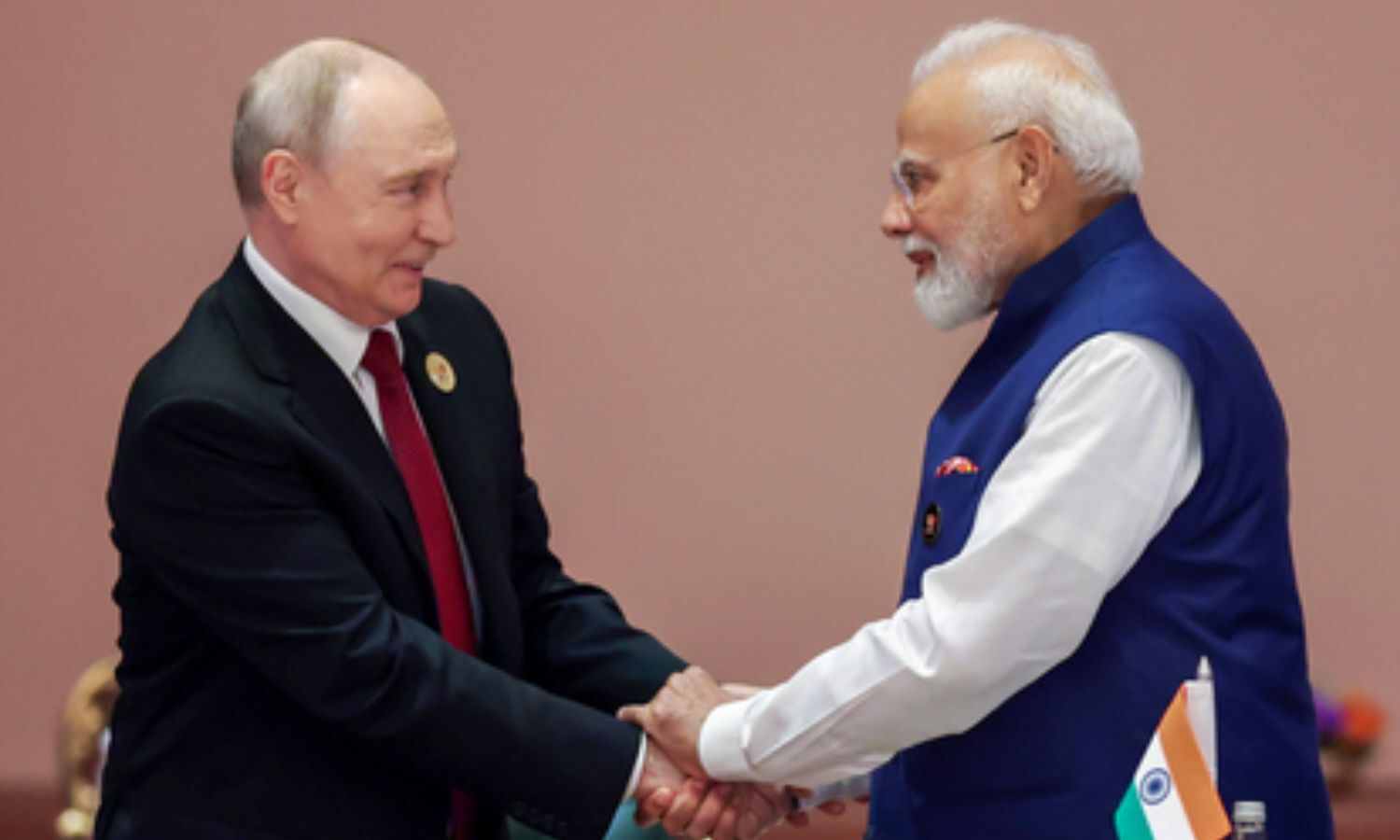
India and Russia deepen defence ties through technology sharing