5 hrs ago
Sanjeev Sanyal Urges India Flexibility Amid Global Turmoil
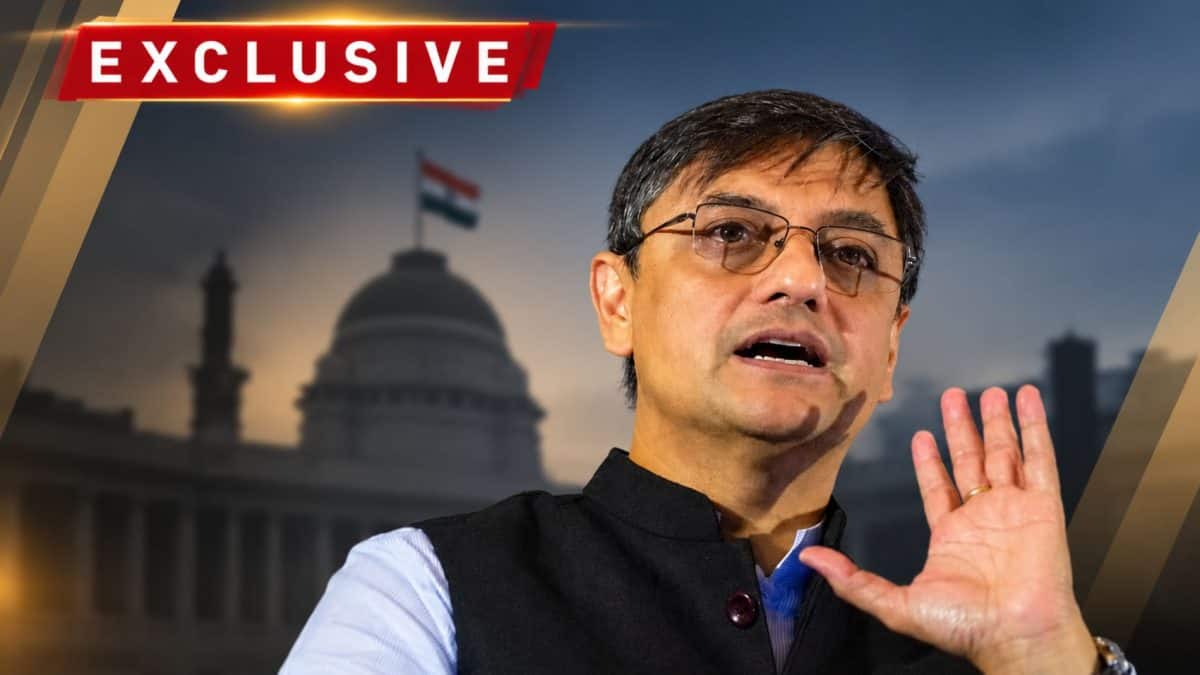
Sanjeev Sanyal says the world is changing quickly and India must stay flexible.
He says India should work with different groups depending on the problem.
These groups include the Quad, BRICS, the European Union and the Global South.
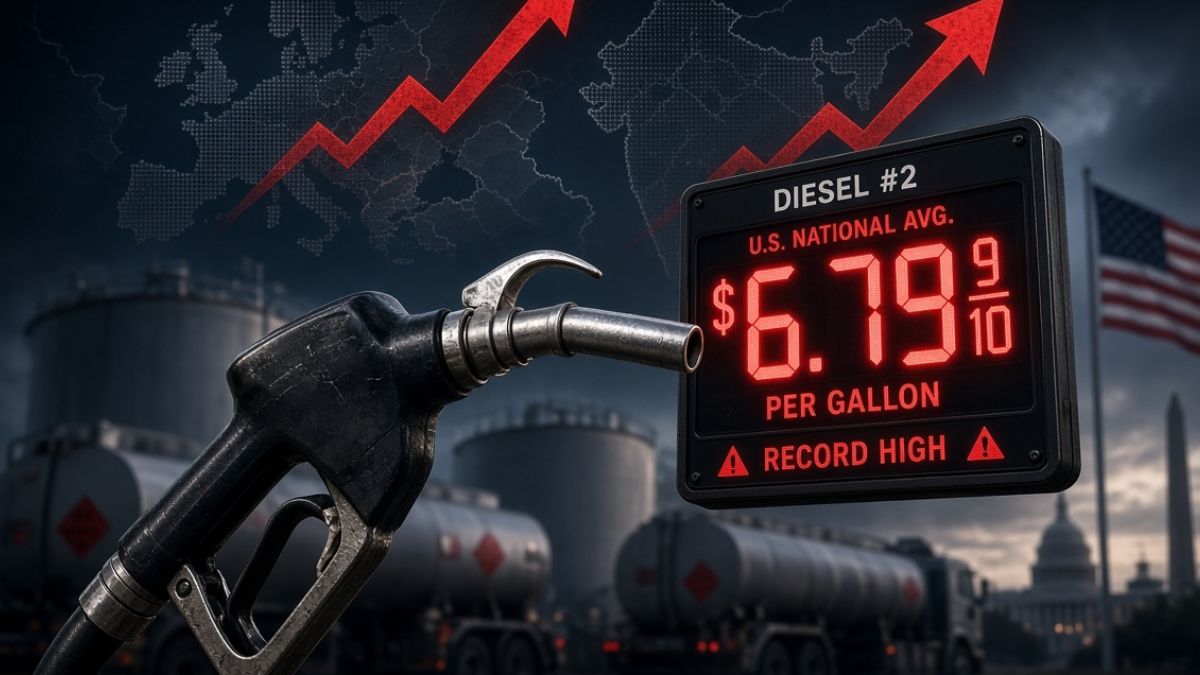
Wars and possible tariffs could make energy and trade more expensive for India.
He says India’s recent 7.8% growth was very good despite these difficulties.
He believes growth near 7% would still be an excellent result.
He supports regulating AI so it is used safely.
However, he says India should not block new technology just to protect old jobs, because new kinds of work may appear.

Sanjeev Sanyal says India should use a flexible, multi-aligned foreign policy involving the Quad, BRICS, European Union and Global South.
He describes geopolitical conditions as highly disruptive, citing the Russia-Ukraine war, West Asian conflicts and possible US tariffs on Russian oil imports.
Sanyal calls India’s 7.8% GDP growth exceptionally strong but says sustaining growth around 7% would be a strong outcome.
He defends India’s revised GDP series, saying updated sectoral weights can lower the base while raising the measured growth rate.
Sanyal supports AI regulation for safety but warns against excessive rules designed to preserve jobs threatened by new technology.
- Who
- Sanjeev Sanyal, a member of the Prime Minister’s Economic Advisory Council, discussed India’s economic and foreign-policy choices.
- What
- Sanyal assessed India’s multi-aligned global strategy, economic outlook, revised GDP data, digital-payment costs, China policy and AI regulation.
- Where
- The interview was published by Firstpost; no interview location is specified.
- When
- In an interview with Firstpost; the article does not provide a publication date.
- Why
- India is facing geopolitical conflict, energy-price risks, tariff uncertainty and rapid technological change.
Flexibility and technological adoption
Caution, safeguards and economic trade-offs
Foreign-policy alignment
Flexibility and technological adoption
India should work with the Quad, BRICS, the European Union or the Global South depending on the issue rather than follow a rigid alignment.
Caution, safeguards and economic trade-offs
Each partnership creates difficult trade-offs, especially when India’s energy needs and relations with major powers come under pressure.
Engagement with China
Flexibility and technological adoption
India can engage with China in areas such as trade and technology while proceeding at its own pace and on its own terms.
Caution, safeguards and economic trade-offs
India should prevent another country from controlling crucial systems such as telecommunications and continue monitoring sensitive sectors.
AI and jobs
Flexibility and technological adoption
India should adopt new technology quickly because AI may eliminate some old jobs while creating new ones.
Caution, safeguards and economic trade-offs
AI requires regulation and human oversight to prevent misuse and harmful outcomes; critics of rapid change may prioritize protecting existing employment.
Key facts
- Interviewee
- Sanjeev Sanyal, Member of the Prime Minister’s Economic Advisory Council
- Foreign-policy approach
- Multi-alignment, with partnerships selected according to the issue
- Growth figure
- India recorded 7.8% GDP growth
- Suggested growth outcome
- Sanyal says growth around 7% would be very strong under current conditions
- Energy risk
- Sanyal says oil prices were above $100 per barrel and India is a major energy importer
- Regional exposure
- Almost 10 million Indians live in the Gulf, according to Sanyal
- AI position
- AI regulation is necessary, but regulation should not excessively protect old jobs
Sources
Related news
India Highlights 7.8% Growth Amid Global Geopolitical Conflicts

India Leads Growth Outlook as Global Economy Stabilises, WEF Finds
India Posts 7.8% Growth as CEA Flags External Risks
Modi Says India’s 7.8% Growth Offers Global Hope

Jaishankar Says India Will Rise Amid Global Turbulence
China No Longer Waits for Trump to Set Rules

UN Agenda To Focus On AI, Iran War, Economic Fallout
Zelenskyy Urges Tougher US Action Over Russia India Oil Trade
India’s Russian Crude Imports Fall Amid Possible United States Tariffs