1 day ago
World Rivers Day Highlights Manjeera’s Water and History
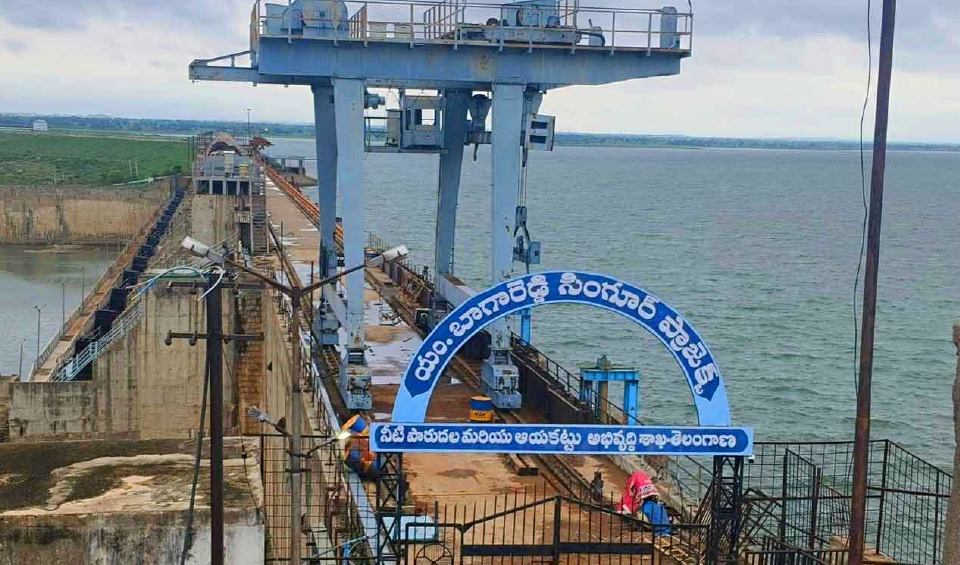
The Forum for a Better Hyderabad organised a visit to the Singur Dam on World Rivers Day.
Students and other visitors learned how the Manjeera River’s water is stored and shared.
The water helps provide drinking water to Hyderabad.
It is also used for farming in the Ghanpur ayacut.
The project has space to store about 29.9 TMC of water.
Construction began in 1976 and ended in 1989.
Visitors also saw the dam and an open museum with old stones and sculptures.
Organisers said learning about rivers can help people protect them.

The Forum for a Better Hyderabad organised an educational visit to the Singur Dam Project on World Rivers Day.
Students, faculty members and conservation enthusiasts learned about the Manjeera River’s ayacut, water supply system and regional history.
The Singur Project stores approximately 29.9 TMC of water and supplies drinking water to Hyderabad.
The project also releases water for irrigation in the Ghanpur ayacut and supports power generation.
Participants visited the dam infrastructure and the State Archaeology Department’s Open Museum, which displays hero stones and ancient sculptures.
- Who
- The Forum for a Better Hyderabad, students, faculty members and river conservation enthusiasts participated; Vedakumar Manikonda and Madhusudhan addressed the gathering.
- What
- An educational visit was held to study the Manjeera River, the Singur Dam Project, its water systems and regional history.
- Where
- At the Singur Dam Project on the Manjeera River and the Open Museum of the State Archaeology Department.
- When
- On World Rivers Day.
- Why
- To improve understanding of the river’s water storage, supply and irrigation systems and promote river conservation.
Key facts
- Event organiser
- Forum for a Better Hyderabad
- River
- Manjeera River
- Project
- Singur Dam Project
- Storage capacity
- Approximately 29.9 TMC
- Construction period
- 1976 to 1989
- Water uses
- Drinking water supply for Hyderabad, irrigation releases for the Ghanpur ayacut and power generation
- Additional visit
- Open Museum of the State Archaeology Department
Sources
Related news
Hyderabad Pays Tribute to 1908 Musi Flood Victims
Rajendra Singh Calls for Public Participation on Maharashtra Water Crisis
Sharma Visits Gottipatiya Dam, Credits Modi for Velugonda Support

Sunnam Cheruvu Restoration Nears Completion Ahead of Month-End Inauguration
Veligonda Phase-I Inauguration Spurs Andhra Water Credit Fight

MP Reviews Visakhapatnam Water Supply, Urges Yeleru Canal Desilting

Hyderabad Water Supply Disrupted for 24 Hours for Maintenance
Heavy Rains Bring Water to Ghanpur Anicut