

11 hrs ago
AI Helps Archaeologists Find Patterns in Ancient Evidence
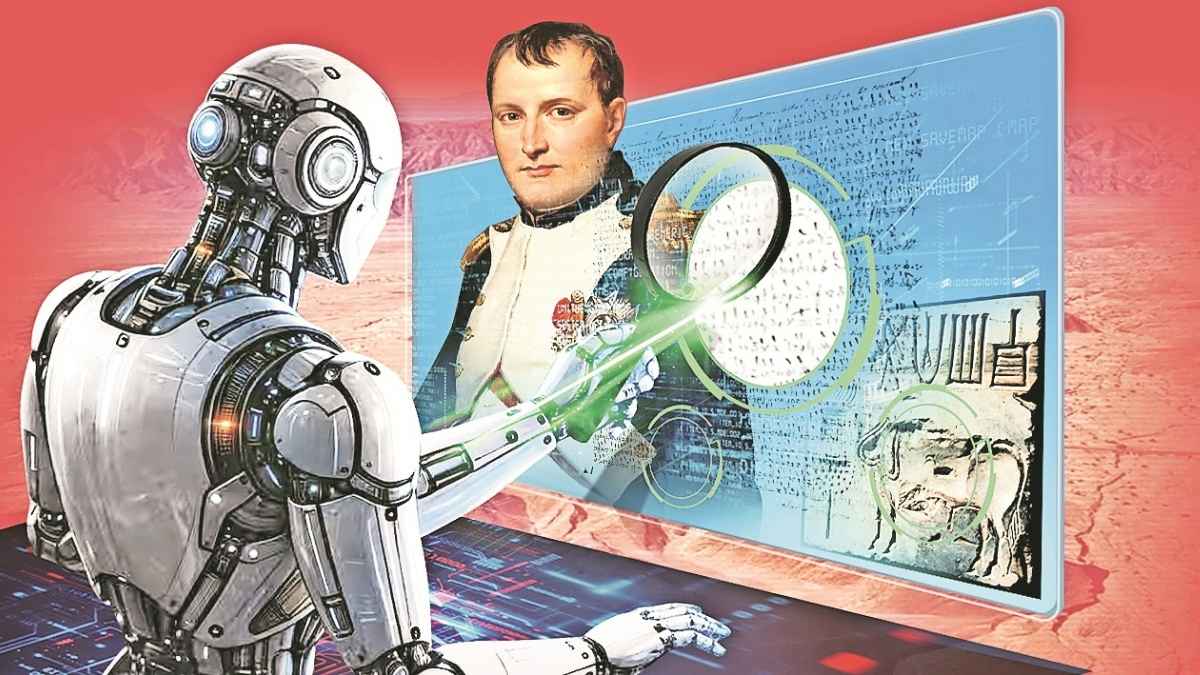
Archaeologists study clues left by people long ago.
Some clues are hard to see or understand.
Computers that use artificial intelligence can help look for patterns in pictures and maps.
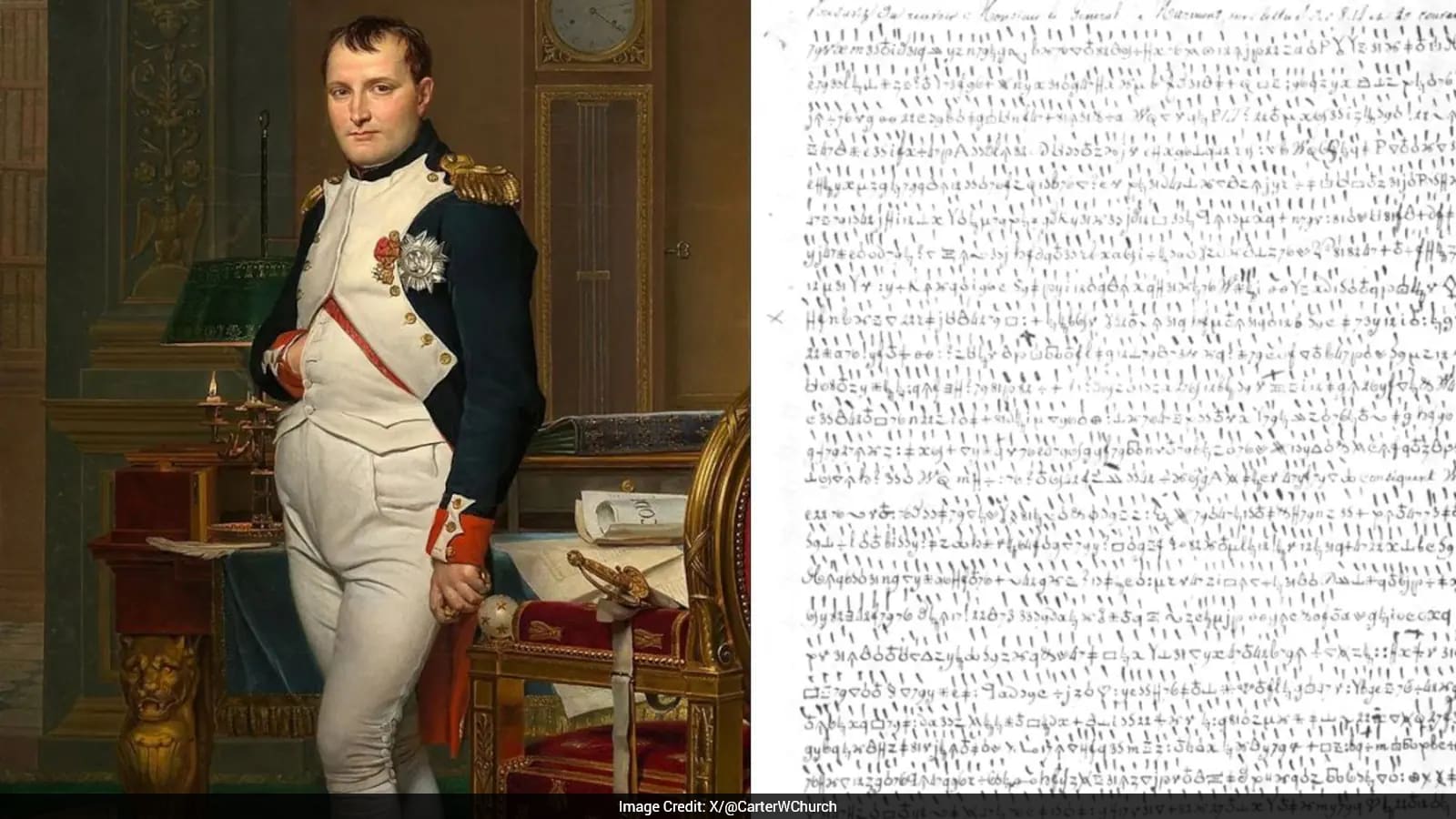
One AI system helped solve a coded letter linked to Napoleon in six hours.
Another helped researchers find 303 previously unknown giant figures in Peru’s desert.
Researchers also tested computer models on laser-made maps of land in Louisiana.
The models helped search for old structures, although the structures found were not the kind researchers had expected.
AI can help recognize signs in the Indus script, but nobody has yet used it to read the script.

Carter Church used OpenAI’s GPT-6 Astra to solve a 217-year-old cipher in a letter associated with Napoleon Bonaparte.
The model deciphered the letter’s roughly 1,300-symbol code in six hours; its contents largely matched information already known.
In Peru’s Nazca desert, AI-assisted analysis helped researchers find 303 previously unknown geoglyphs in a six-month survey.
Researchers trained Mask R-CNN models on simulated archaeological structures embedded in LiDAR terrain from Louisiana’s Kisatchie National Forest.
AI can classify signs in Indus inscriptions, but it has not deciphered the script; short texts, no bilingual text and uncertainty about the language remain obstacles.
- Who
- Archaeologists and researchers, including AI engineer Carter Church.
- What
- AI tools are being used to analyze historical documents, aerial imagery, LiDAR terrain and ancient inscriptions.
- Where
- The examples include Peru’s Nazca desert and Kisatchie National Forest in Louisiana.
- When
- Examples include a cipher solved in September, a study published in April, and a 2017 study of Indus inscriptions.
- Why
- AI can help researchers find patterns and features in large or difficult-to-analyze archaeological datasets.
Key facts
- Napoleon-associated letter
- A 217-year-old coded letter with about 1,300 symbols.
- Cipher-solving time
- Six hours using a low-resolution scan, partial symbol table and prompt.
- Nazca discoveries
- 303 previously unknown figurative geoglyphs found during a six-month survey.
- LiDAR study location
- Kisatchie National Forest, Louisiana.
- Indus sign classification
- A 2017 deep-learning pipeline identified the most frequent Indus “jar” sign with 92% accuracy.
- Indus script limitation
- AI has not deciphered the script; short inscriptions, lack of a bilingual text and uncertainty about the language remain barriers.
Sources
Related news
After 217 Years, AI Cracks Napoleon's Mysterious War Letter

Israeli Scientists Develop AI to Reconstruct Images From Brain Scans

Claude Helps Identify CRISPR-Like Enzyme System in 21 Hours

GPT-6 Astra Decodes 108-Year-Old World War I Code

Anthropic’s AI Gene-Editing Claim Faces Questions Over Novelty
