

2 weeks ago
Should India Lower the Minimum Poll Contesting Age?

In India, people can vote when they are 18 but must be 25 to contest Lok Sabha or State Assembly elections.
Some people want this minimum age reduced to 21.
They believe young lawmakers could better understand issues such as education, jobs, technology and climate change.
India has a very large young population.
Others worry that lawmakers need enough experience and maturity to make difficult decisions.
The Election Commission of India has expressed reservations about lowering the age.
Young representatives in local governments have shown that practical responsibility can help develop leadership skills.
However, changing the age limit alone may not solve barriers such as money, training and political support.
The country must decide whether to widen youth participation while preserving responsible governance.

A proposal would reduce the minimum age to contest Lok Sabha and State Assembly elections from 25 to 21.
Supporters say younger legislators could better represent India’s large youth population and bring fresh policy ideas.
The Election Commission of India and some political leaders cite the need for maturity, experience and governance knowledge.
The Parliamentary Standing Committee said a lower age could expand equal democratic opportunities and strengthen youth representation.
The debate also highlights the need for political training, mentoring and organisational support alongside any age-limit change.
- Who
- The proposal concerns young Indian citizens, Parliament and State Legislative Assemblies; supporters, the Election Commission of India and political leaders have expressed differing views.
- What
- Whether the minimum age for contesting Lok Sabha and State Assembly elections should be reduced from 25 to 21 years.
- Where
- India, including a proposal announced by the Telangana government.
- When
- The issue has been debated since the Constitution was framed in 1948–49 and has recently returned to national attention.
- Why
- Supporters seek greater youth representation and political inclusion, while opponents stress maturity, experience and understanding of governance.
Lower the age to 21
Retain the age at 25
Youth representation
Lower the age to 21
A lower age would give more young citizens an opportunity to enter legislatures and make democratic institutions more representative of India’s population.
Retain the age at 25
Age reduction alone may not ensure meaningful youth participation because candidates also need financial resources, organisational backing and political training.
Skills and judgment
Lower the age to 21
Young people are described as more educated, politically aware, digitally connected and socially engaged, and could contribute fresh ideas on jobs, education, technology and climate change.
Retain the age at 25
The Election Commission of India and experienced political leaders argue that legislative work requires maturity, experience and an understanding of complex governance issues.
Path to leadership
Lower the age to 21
Examples from Panchayati Raj Institutions suggest that leadership can develop through responsibility and practical opportunity rather than age alone.
Retain the age at 25
Many leaders believe aspiring legislators should first gain grassroots experience through local self-government institutions before entering Parliament or State Legislatures.
Key facts
- Current contesting age
- 25 years for the Lok Sabha and State Legislative Assemblies.
- Proposed contesting age
- 21 years for the Lok Sabha and State Legislative Assemblies.
- Other legislative bodies
- The minimum age is 30 for the Rajya Sabha and State Legislative Councils.
- Voting age
- The voting age was reduced from 21 to 18 through the 61st Constitutional Amendment in 1988, effective from 1989.
- Youth demographics
- Nearly 58% of India’s population is below 35, according to the article.
- Committee view
- The Parliamentary Standing Committee on Personnel, Public Grievances, Law and Justice said a lower age could expand equal democratic opportunities.
- Telangana proposal
- A Revanth Reddy announced that the Telangana government would consider a resolution urging the Union Government to make the change.
Sources
Related news
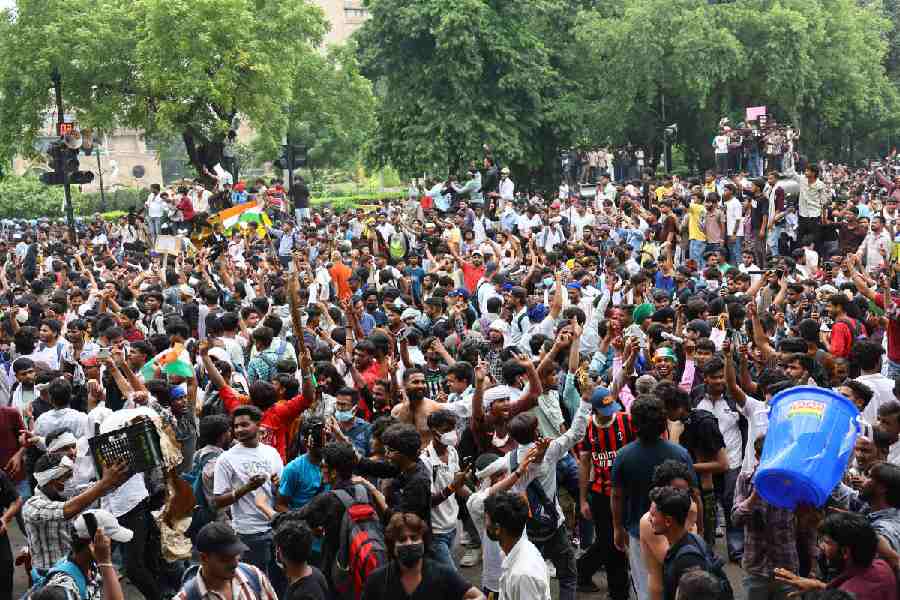
India's Gen Z Deserves a Stronger Voice in Ageing Parliament
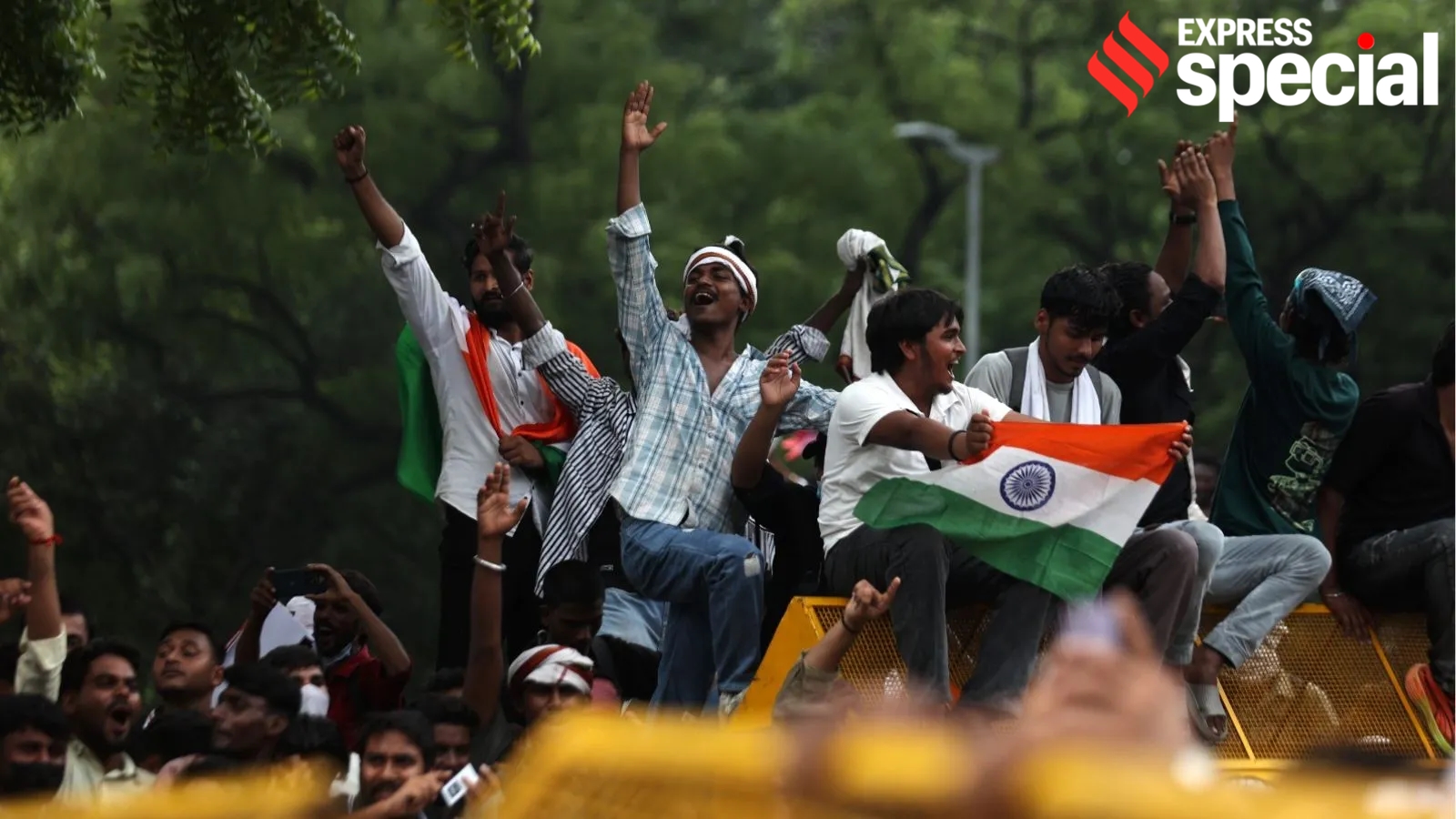
Young Indian Legislators Remain Few, Often Political Dynasts
Kharge urges Modi to preserve Lok Sabha's 543-seat strength

EC Expands Youth Electoral Literacy Outreach Ahead of 2029 Polls
India Needs More Meaningful MPs, Not Just More Seats

All-Party Meeting Seeks Eligibility Cards for Telangana Tenant Farmers

Telangana BJP Alleges Congress, BRS Avoid Hyderabad Liberation Day

BRS Charges Telangana CM Revanth With Corruption, Misrule
BRS Accuses Telangana Congress Government of Failing Poll Promises
Telangana Government Marks 1,000 Days With Welfare Push