

3 weeks ago
How to Rebalance Equity Exposure Around Long-Term Goals

The amount of stock-market investment you need depends on when you will need the money.
If your goal is many years away, you may be able to keep more money in equity.
Equity can offer stronger growth over long periods, but its value can move up and down.
If you need the money soon, keeping more in debt or stable investments may be safer.
A goal about seven years away may need a mix of equity and debt.
Your comfort with market changes also matters.
An emergency fund and insurance can help you avoid selling investments unexpectedly.
You should review your mix when your goals or personal situation change.

Investors should assess equity exposure based on financial goals, time horizons and risk comfort rather than short-term market movements.
A retirement goal 20 years away may support a 60–80% equity allocation, with the remainder in debt.
For short-term goals, investors may reduce equity and shift more money toward debt or relatively stable options.
A seven-year goal such as buying a house may call for a middle-ground allocation of roughly 50–70% equity.
Emergency savings, health insurance and term insurance can reduce the need to sell equity during unexpected expenses.
- Who
- Investors who are concerned that their equity exposure is too high.
- What
- Guidance on rebalancing equity and debt allocations according to investment goals, time horizons and risk tolerance.
- Where
- In investors' portfolios; no specific physical location is identified.
- When
- The advice follows increased market volatility after the Nifty 50 reached a high in September 2024.
- Why
- Strong market performance and subsequent volatility have made some investors less comfortable with their equity exposure.
Key facts
- Long-term example
- A retirement goal 20 years away may support 60–80% equity, with the remainder in debt.
- Medium-term example
- A seven-year goal such as buying a house may support roughly 50–70% equity, depending on circumstances.
- Short-term goals
- Investors may reduce equity and move more money toward debt or relatively stable options.
- Alternative mentioned
- Arbitrage funds may be considered depending on an investor’s tax bracket and circumstances.
- Risk protection
- An adequate emergency fund, health insurance and term insurance can help prevent forced equity sales.
- Review approach
- Investors are advised to review overall asset allocation and diversification regularly.
Sources
Related news

Equity Allocation Should Match Financial Goals, Time Horizons and Risk

What to Check Before Selling Too Much Equity

Should Investors Reduce Equity Exposure and Diversify More?

Seven-Year House Goal: Balance Equity Growth With De-Risking

More Debt Cushions Portfolio Falls but Reduces Return Potential

Warning Signs Short-Term Noise Is Derailing Long-Term Investing

India’s resilient economy contrasts with Nifty’s 13% year-to-date decline

West Asia Conflict Raises Risks for Indian Corporate Earnings

Sensex, Nifty Close Lower as IT Stocks Drag Markets

Indian Stocks Extend Losses as Oil Prices Weigh on Sentiment
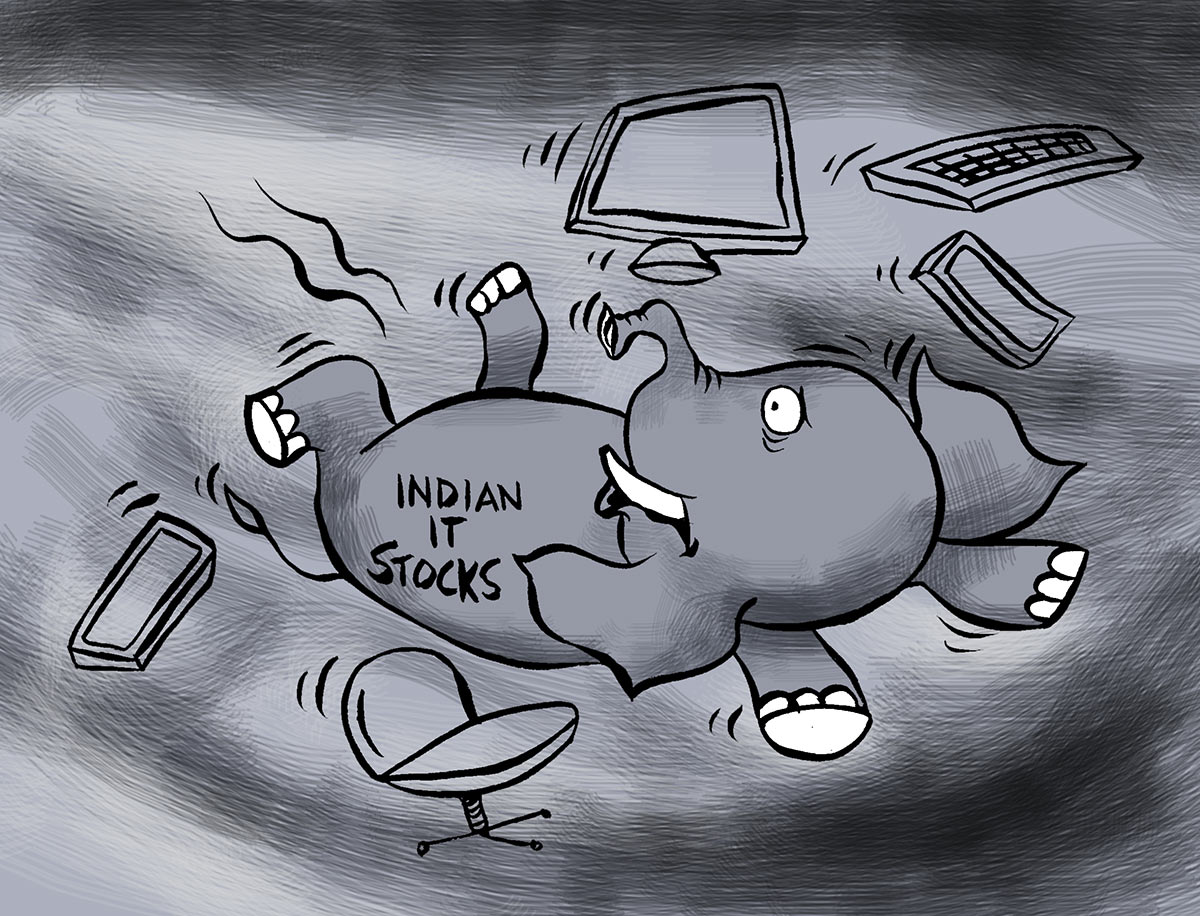
IT Stocks Near 52-Week Lows Ahead of Earnings
