5 hrs ago
US Bond Yields Surge, Pressuring Nifty and Sensex

US government bonds began offering investors higher returns.
This made them more attractive than some investments in countries such as India.
Some foreign investors therefore sold Indian shares and moved money toward US assets.
That selling put pressure on Indian stocks and the Indian rupee.
Higher yields can also make borrowing more expensive for companies.
This may hurt company profits and make shares look less valuable.
Analysts said high crude prices, inflation worries and heavy government borrowing are helping push yields higher.
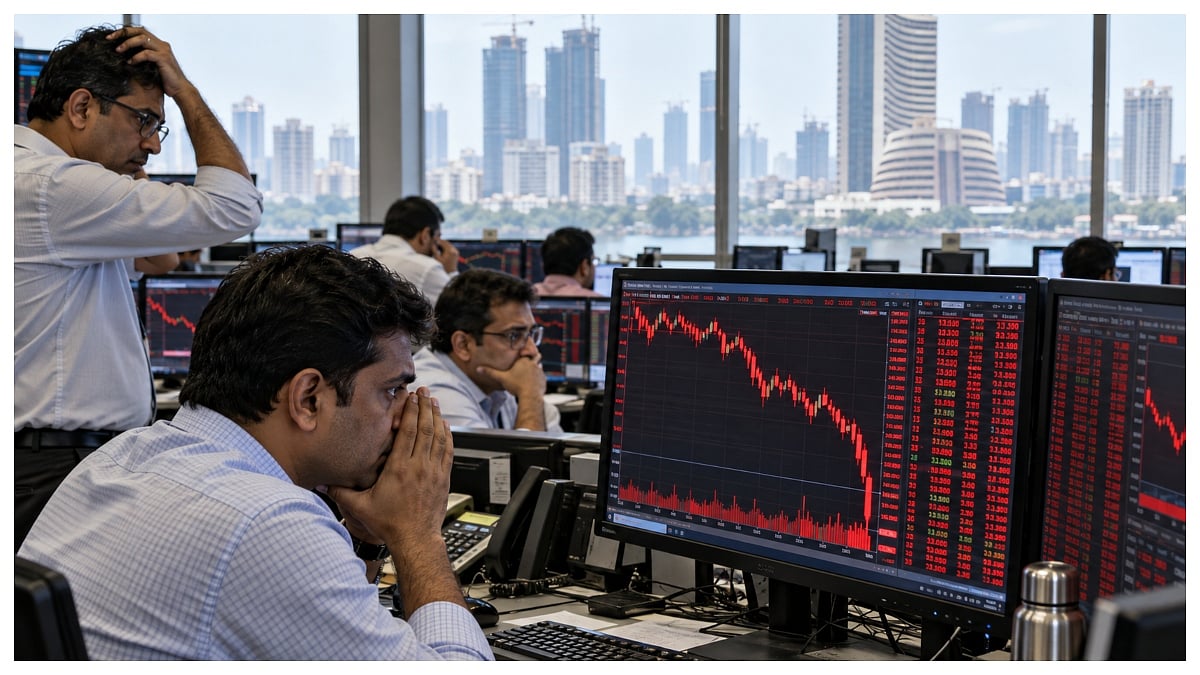
The Nifty 50 dropped below 22,600 during Tuesday’s trading session.
Technology and other major companies were among the stocks that fell.

US 10-year Treasury yields rose above 5.2%, reaching their highest level since 2007.
Higher yields make US government bonds more attractive to global investors seeking relatively safer returns.
Foreign institutional investor selling has increased pressure on Indian equities and the rupee.
Analysts cited elevated crude prices, persistent inflation concerns and heavy government borrowing as factors keeping yields high.
The Nifty 50 fell below 22,600, with Wipro, Infosys, Titan and HCLTech among the major laggards.
- Who
- Global investors, foreign institutional investors, Indian market participants and analysts including Ravi Singh and Mayank Jain.
- What
- US 10-year Treasury yields rose above 5.2%, contributing to selling pressure in Indian equities.
- Where
- The movement involved US Treasury markets and the Indian stock market.
- When
- Tuesday, September 29, according to the article.
- Why
- Higher yields made US government bonds more attractive, while crude prices, inflation concerns and heavy government borrowing also supported higher yields.
Key facts
- US 10-year Treasury yield
- Above 5.2%, the highest level since 2007, according to the article.
- Nifty 50 level
- Dropped below 22,600 and reached a six-month low.
- Foreign investor response
- Foreign institutional investors were described as selling emerging-market equities and moving funds toward US assets.
- Currency impact
- Foreign capital outflows put pressure on the Indian rupee against the US dollar.
- Yield drivers
- Elevated crude prices, persistent inflation concerns and heavy government borrowing.
- Major Indian laggards
- Wipro, Infosys, Titan and HCLTech were identified as major laggards.
Quotes
Dr. Ravi Singh
Chief Research Officer at Master Capital Services Ltd.
“This shift has triggered persistent net selling by Foreign Institutional Investors (FIIs), who are moving funds out of emerging equities to lock in safer returns abroad. This sustained foreign capital outflow has put pressure on domestic currencies-pushing the Indian Rupee toward lower historical levels against the US dollar-while outstripping the buying power of local domestic funds.”
 livemint.com
“Higher domestic yields raise the cost of capital for corporates and can weigh on earnings and valuations. Rate-sensitive sectors such as banks, NBFCs, IT and metals could remain under pressure as investors reassess valuations and risk appetite.”
livemint.com
Sources
Related news

US Yield Shock and Oil Surge Send Indian Equities Lower

US Bond Yields, AI Spending and India’s Stock Market

US Yield Surge Raises Four Concerns for Indian Equities
Indian Markets Slide as US Yields, Oil and Rupee Weaken

FPIs pull ₹5,109 crore from Indian bonds amid uncertainty

Global Funds Sell Indian Bonds as Yields Stay Above 7%

West Asia Conflict Raises Risks for Indian Corporate Earnings

Sensex, Nifty Close Lower as IT Stocks Drag Markets

Indian Stocks Extend Losses as Oil Prices Weigh on Sentiment

Ventura's Vinit Bolinjkar urges caution as Indian markets remain volatile