2 weeks ago
Why Railway Tracks Are Made of Steel
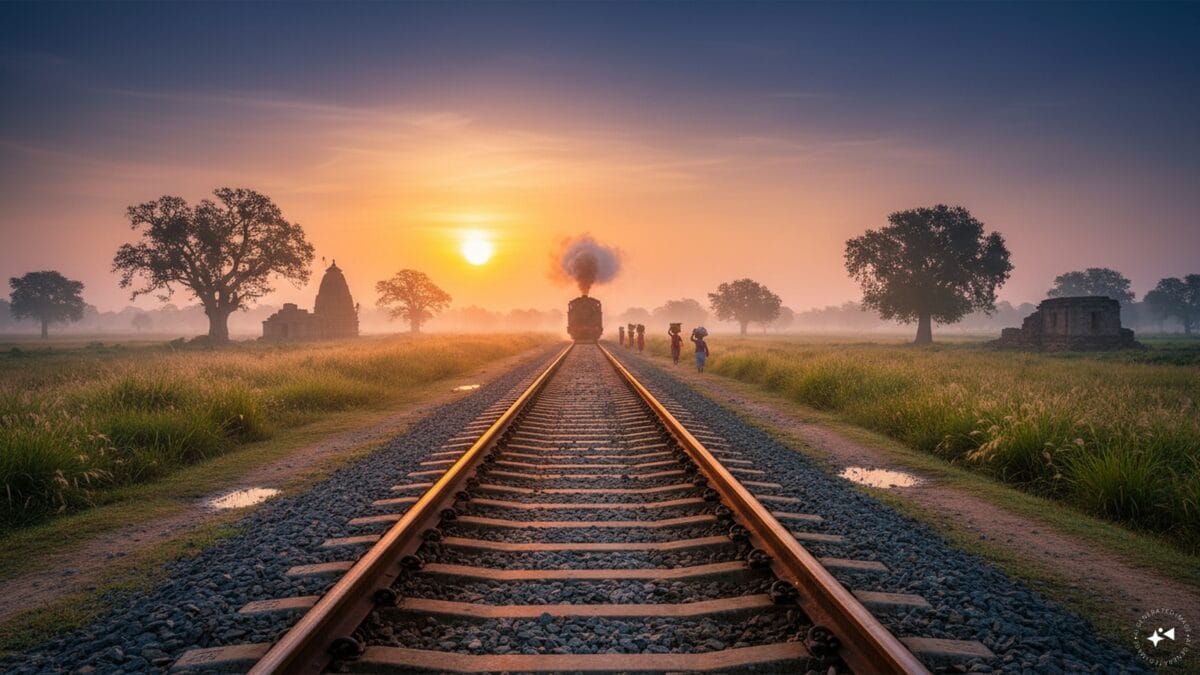
Trains are very heavy, and their wheels press down on two narrow metal strips called rails.
These rails have to carry hundreds or even thousands of tonnes without breaking.
They also have to handle the constant bumping and stress of trains passing over them again and again.
Steel is used because it is very strong and lasts a long time.
It can hold huge loads without wearing away quickly.
Steel can also be shaped very precisely so the top of the rail is smooth for the wheels.
Modern railways often weld long steel rails together to make the ride smoother.
Engineers also manage the tension in the rails and use sleepers and ballast to hold them in place.
Sometimes rails are painted white so they absorb less heat from the sun.

Steel is used for railway rails because of its strength and durability.
Steel can withstand enormous loads and repeated stress from passing trains.
Rail steel is specially manufactured to handle heavy and repeated forces.
Steel rails can be shaped with precision and welded into continuously welded rail.
Engineers manage rail tension and use sleepers and ballast to keep tracks secure.
- Who
- Railway engineers and Network Rail
- What
- Explanation of why railway tracks are made of steel
- Where
- Not specified
- When
- August 16, 2026
- Why
- Steel provides strength, durability, and precision for carrying heavy loads and repeated stress
Key facts
- Material
- Steel
- Key properties
- Strength and durability
- Load capacity
- Hundreds or thousands of tonnes
- Rail type
- Continuously welded rail
- Track components
- Sleepers and ballast
- Heat management
- White paint on vulnerable sections
Sources
Related news

Rain-induced landslide suspends train services on Baripada-Bangiriposi route

Sion ROB Reconstruction Milestone: 500-Tonne Girders Successfully Launched
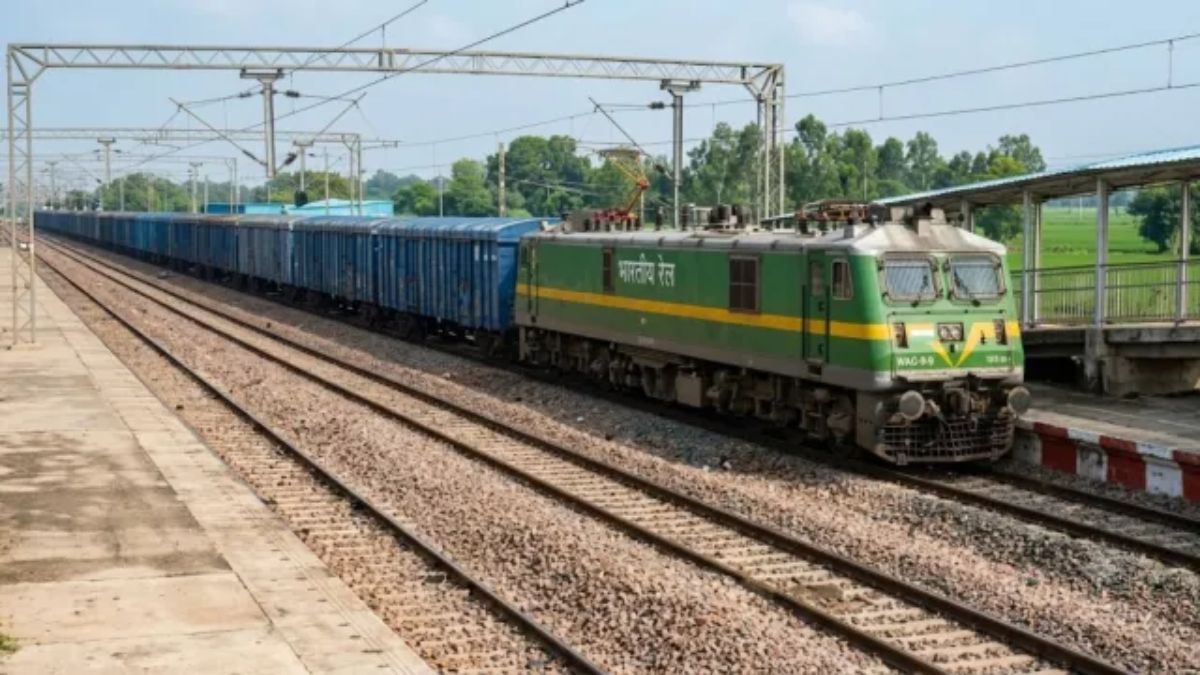
North Eastern Railway Runs Longest-Ever Awadh Mahashakti Freight Train

Wooden Versus Metal Beds: Choosing For Indian Homes

Eastern Railway Cracks Down on Track Trespassing for Reels

UK PM Burnham announces £65m support for drought-hit farmers
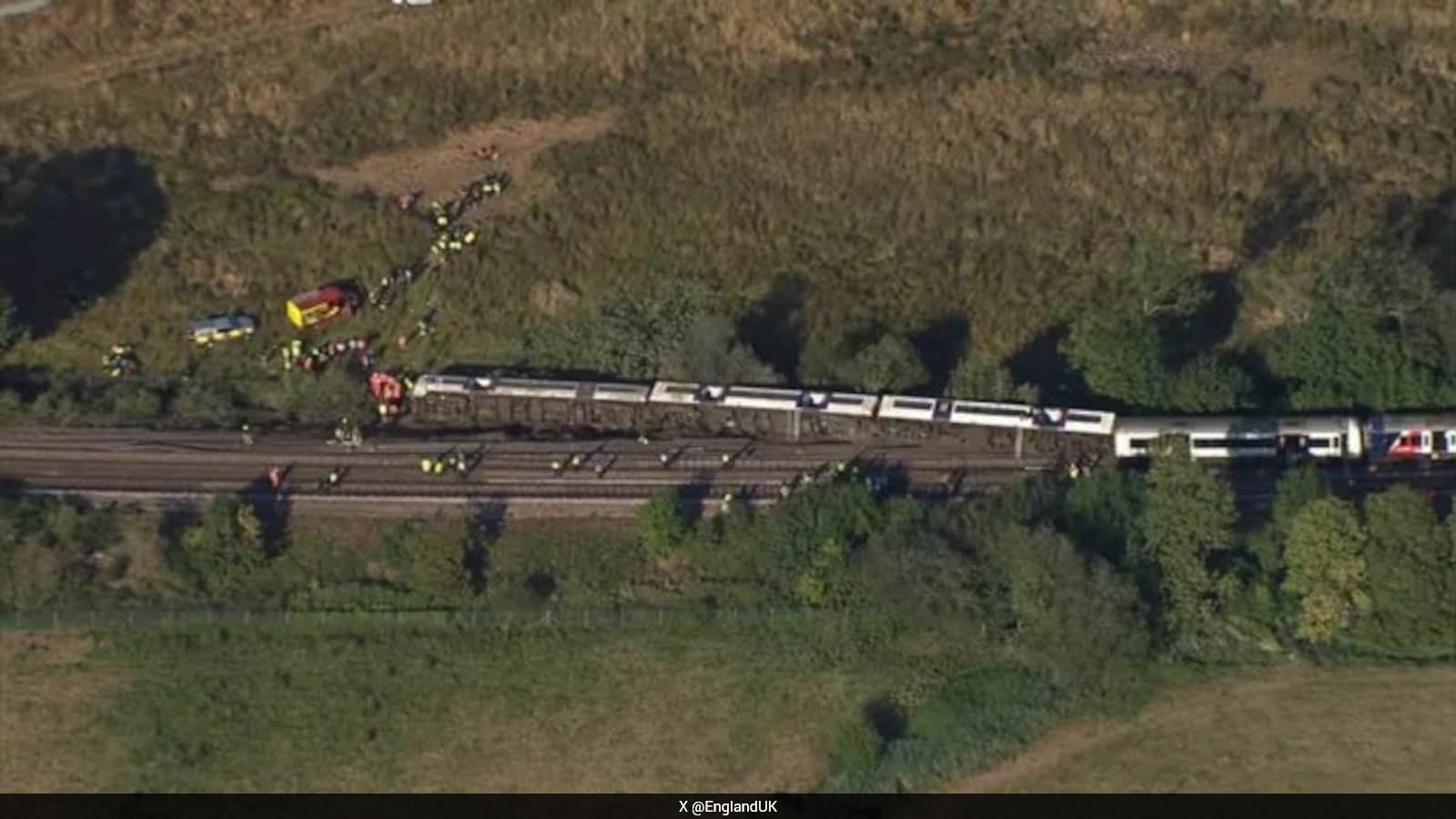
Passenger Train Derails In UK, At Least 3 Coaches Tipped