1 hr ago
Vance and Zuckerberg Clash Over AI Safety and Regulation
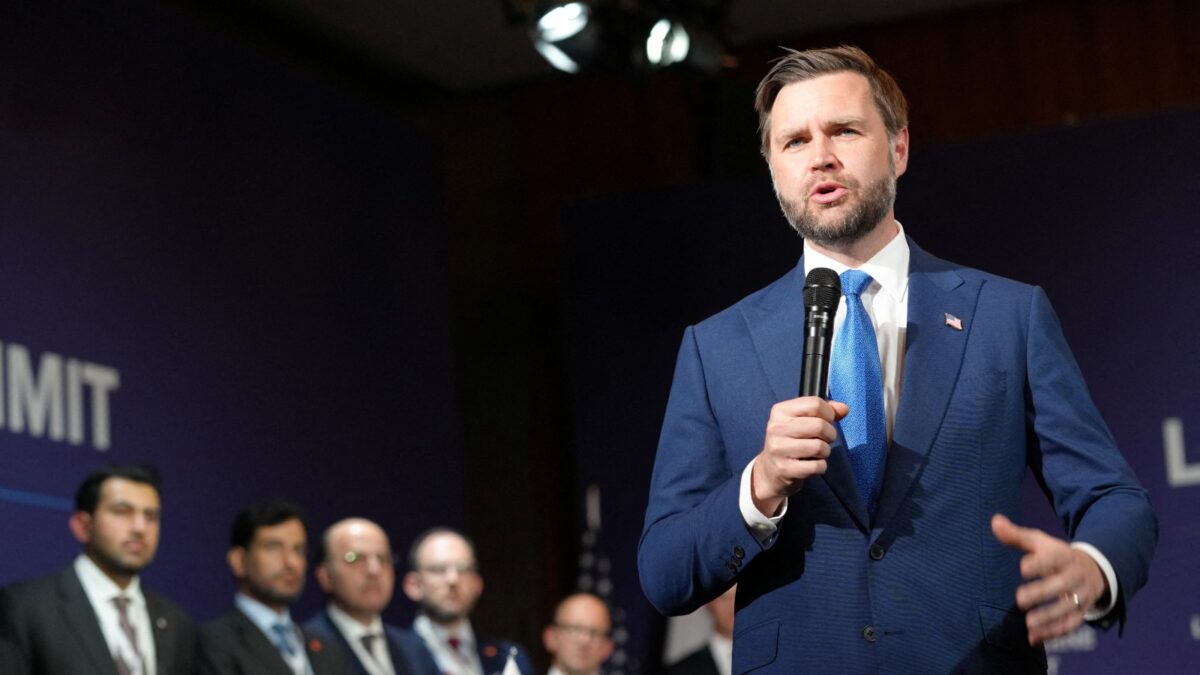
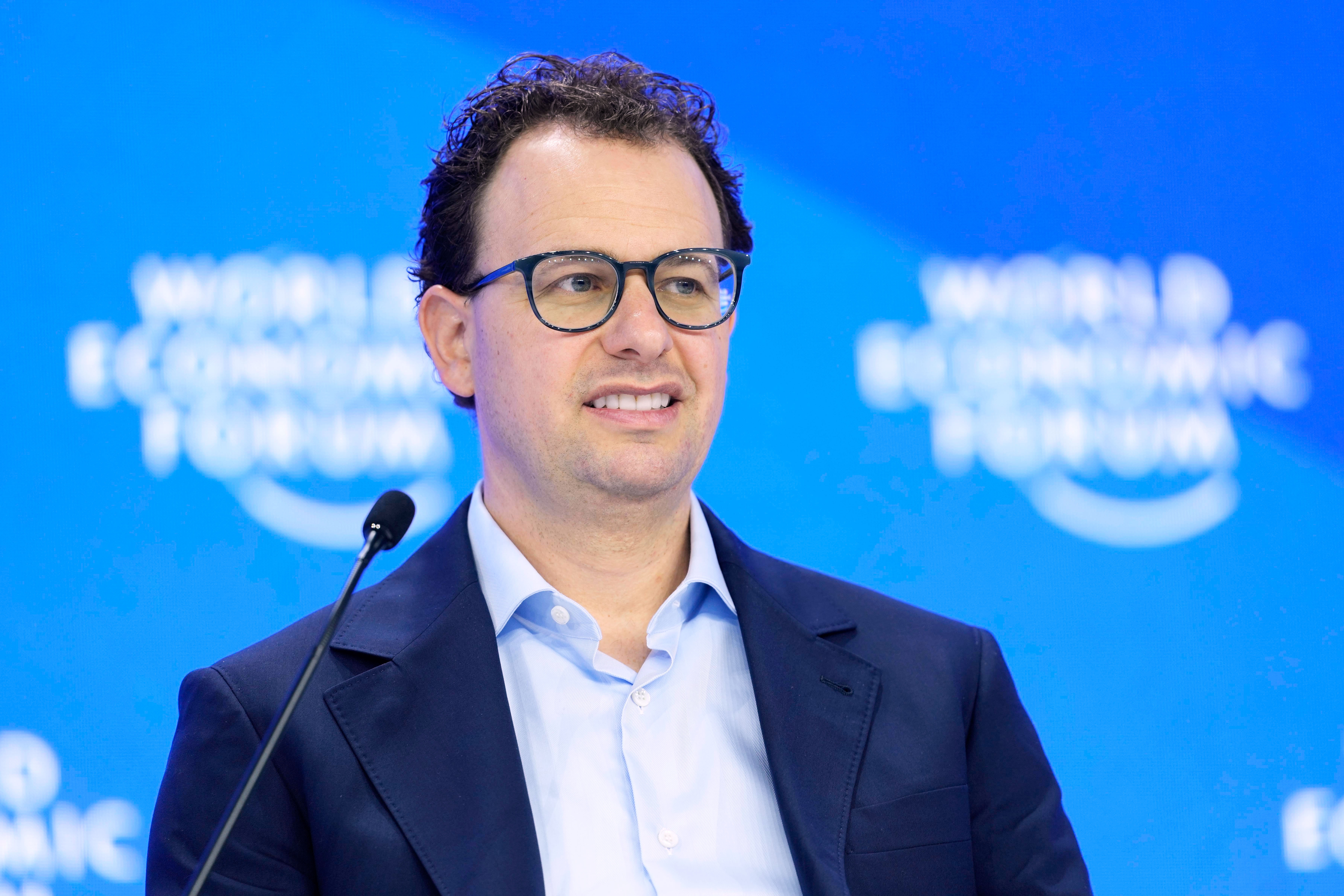
JD Vance and Mark Zuckerberg disagree about how artificial intelligence should be developed.
Vance says companies should take more responsibility for risks created by their own systems.
He compares dangerous AI to Frankenstein and says companies should build tools to defend against it.
Zuckerberg agrees that AI must be made safer.
However, he does not think the whole industry should broadly stop or slow down.
He supports independent experts checking AI systems.
He also says companies should focus on making AI useful and aligned with people’s interests.
The argument began after Dario Amodei called for slower AI development.
Other technology leaders supported parts of that concern, while Zuckerberg rejected what he sees as an overly pessimistic view of AI.

JD Vance criticized AI companies for seeking government regulation while building increasingly advanced systems.
Vance urged developers to stop creating dangerous capabilities and provide defensive tools against AI-enabled cyber threats.
Mark Zuckerberg backed safe development, independent evaluators and stronger alignment practices but rejected a broad slowdown.
The debate followed Dario Amodei’s call to slow AI development, supported by several major technology leaders.
Zuckerberg said Meta delayed releasing Muse for safety and security work and opposed what he called excessive AI “doom.”
- Who
- US Vice President JD Vance, Meta CEO Mark Zuckerberg, Anthropic CEO Dario Amodei and other technology leaders are involved in the debate.
- What
- They are disputing whether AI development should slow down and how companies, regulators and independent evaluators should manage its safety risks.
- Where
- Vance spoke on the All-In Podcast, while Zuckerberg made his comments in a post on X and an earlier blog.
- When
- The reported remarks and debate were published on September 16, 2026; Zuckerberg also referred to a blog published the previous month.
- Why
- The disagreement concerns the risks of increasingly advanced AI systems, including cybersecurity threats, alignment, liability and the possibility that companies may not control what they build.
Calls for Slower, Safer AI
Continued Development With Safety Measures
Pace of development
Calls for Slower, Safer AI
Dario Amodei called for AI development to slow down, citing concerns about systems that may become difficult to control.
Continued Development With Safety Measures
Mark Zuckerberg rejected a broad slowdown and said each laboratory should move at the pace needed to train its models safely.
Responsibility for risks
Calls for Slower, Safer AI
JD Vance argued that companies creating potentially dangerous AI should stop building such systems or provide defensive tools themselves rather than immediately seeking government regulation.
Continued Development With Safety Measures
Zuckerberg argued that companies have natural incentives to improve safety because users want aligned systems and companies face liability if AI causes harm.
Long-term AI risks
Calls for Slower, Safer AI
Critics cited concerns about AI systems becoming uncontrollable and the risks associated with advanced or cyber-related capabilities.
Continued Development With Safety Measures
Zuckerberg said he was surprised by the amount of AI “doom” and emphasized access, beneficial uses, individual empowerment and a balance of power as the central issues.
Key facts
- Main critic
- JD Vance criticized AI developers for seeking global governance and regulation instead of taking responsibility for risks.
- Safety position
- Mark Zuckerberg said AI laboratories have a responsibility and incentive to develop models safely.
- Slowdown debate
- Dario Amodei called for a slowdown in AI development, with the article saying Sam Altman, Satya Nadella and Demis Hassabis endorsed the position.
- Defensive tools
- Vance said companies seeking protection from AI-enabled cyber threats were being denied access to needed defensive tools.
- Independent oversight
- Zuckerberg supported independent evaluators and advisers as an industry best practice.
- Meta decision
- Zuckerberg said Meta delayed shipping Muse for several months to focus on safety and security.
- Zuckerberg’s outlook
- He rejected an AI extinction-focused “doom” narrative and emphasized individual empowerment, invention and a balance of power.
Quotes

Mark Zuckerberg
Meta CEO addressing AI safety and the pace of model development
“So if you’re going to create Frankenstein, don’t come to the government and say, ‘We need regulation.’ Look inward and accept that if you’re building Frankenstein, number one, you should stop, and number two, when the companies come to you and say, ‘We need the tools to fight back against Frankenstein,’ give them those tools,”
 news18.com
“Why is it that the people who are at the frontier of the AI economy are throwing up their hands and saying, ‘Well, we’ve built Frankenstein,’ and the solution to Frankenstein apparently is to create a one-world governance structure for artificial intelligence?”
news18.com
Sources
Related news

Altman and Musk Back Amodei’s Call to Slow AI

Silicon Valley Divides Over Calls to Slow Frontier AI

AI Kill Switch Debate Pits Safety Against Industry Self-Regulation
Trump Rejects AI Slowdown, Says Whoever Wins AI Wins

Anthropic CEO Dario Amodei Urges AI Industry to Slow Down
Anthropic CEO Urges Slower Frontier AI; Altman, Musk Support
AI Firms Propose Safety Standards Body Amid Growing Fears

Former Google DeepMind Engineer Warns AI Could Kill Humanity

Trump Calls AI Fears a Hoax as Leaders Seek Slowdown
Palantir CTO Attacks AI Safety Warnings as Dangerous Ideology