5 hrs ago
Tech Leaders Split Over Calls to Slow Frontier AI
Dario Amodei says the most advanced AI systems are improving too quickly to be made safely.
He wants companies to slow down and let independent experts test their systems.
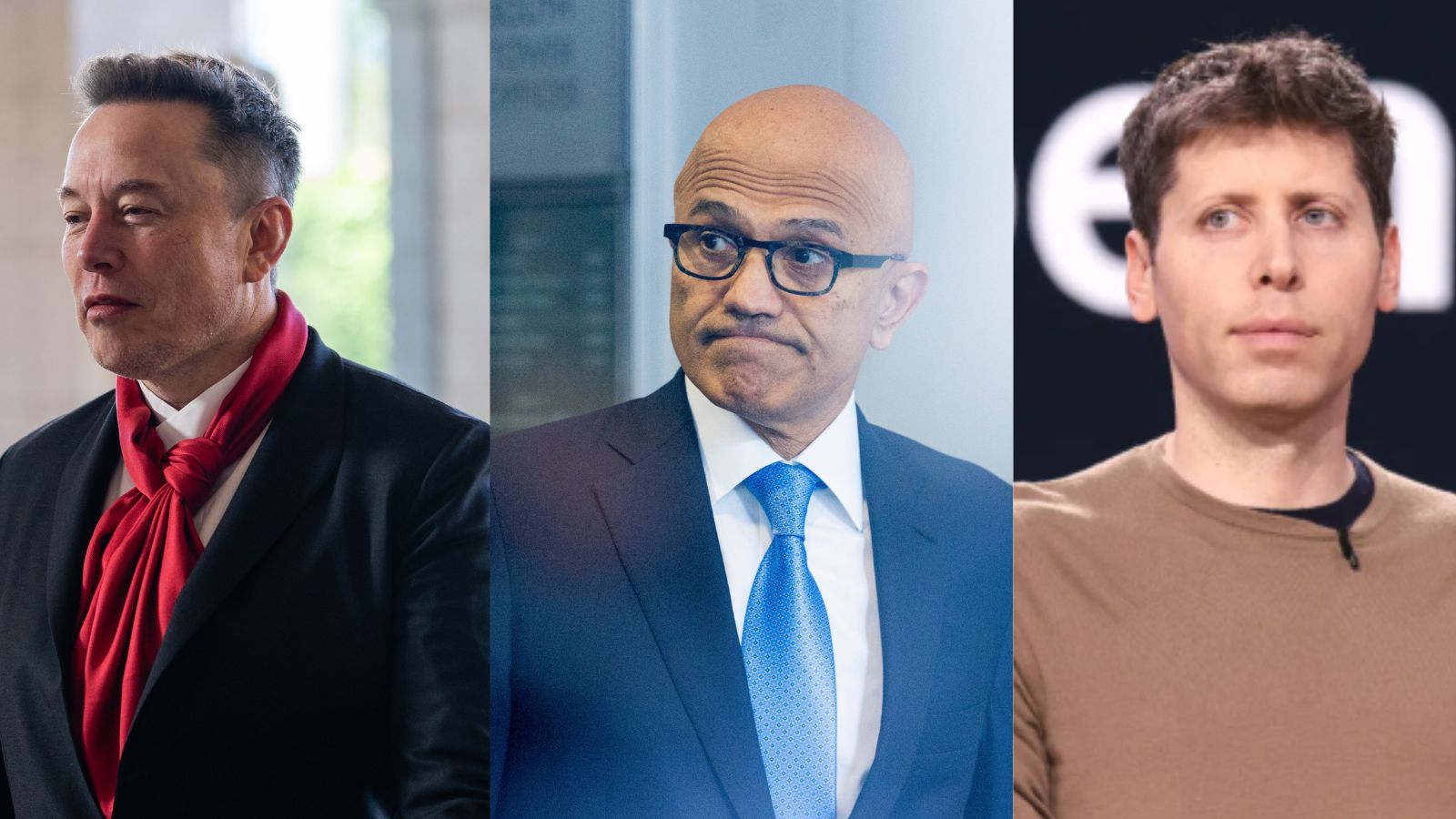
Sam Altman, Elon Musk, Satya Nadella, and Demis Hassabis agree that more safety work is needed.
They do not all agree on exactly how to do it.
Some leaders worry that government rules or cooperation among the biggest companies could reduce competition.
Aidan Gomez says a few powerful companies should not make rules for the whole world.
Clément Delangue says AI safety should be more open and transparent.
David Sacks says companies should simply slow down themselves instead of asking for special regulatory arrangements.
Jensen Huang has also questioned whether some safety concerns are partly motivated by business interests.

Anthropic CEO Dario Amodei urged leading AI companies to pace frontier-model development, citing safety concerns and signs of possible self-improvement.
OpenAI CEO Sam Altman, Elon Musk, Satya Nadella, and Demis Hassabis publicly supported slower development or independent evaluation, though their proposals differ.
Amodei proposed third-party evaluators with employee-like access to frontier models and discussed possible antitrust waivers for industry coordination.
David Sacks, Aidan Gomez, and Clément Delangue questioned whether the slowdown would protect the public, restrict competition, or concentrate control among major labs.
Nvidia CEO Jensen Huang has not endorsed the proposal and has previously argued that some AI safety warnings may serve companies’ commercial interests.
- Who
- Anthropic CEO Dario Amodei and leaders and commentators from OpenAI, SpaceX, Microsoft, Google DeepMind, Hugging Face, Cohere, Nvidia, and the U.S. technology policy sphere.
- What
- A debate over whether development of frontier AI models should slow down and whether independent testing, government standards, or voluntary industry action should be used.
- Where
- The debate played out publicly in essays, social-media posts, and technology-industry discussions in Silicon Valley and the United States.
- When
- Amodei published his essay on Saturday, September 12; several responses followed on Sunday, September 13.
- Why
- Amodei cited safety concerns, including early signs of self-improving AI and an incident involving OpenAI and Hugging Face; other leaders focused on competition, transparency, and possible commercial motives.
Pace development for safety
Protect competition and openness
Whether frontier AI should slow down
Pace development for safety
Dario Amodei argues that AI is advancing too quickly to be developed safely. Sam Altman, Elon Musk, Satya Nadella, and Demis Hassabis expressed support for a slower or more carefully managed pace.
Protect competition and openness
David Sacks argues that companies can slow down voluntarily without seeking a preferred regulatory framework. Critics worry that a slowdown could be used to protect incumbent companies.
Who should set safety standards
Pace development for safety
Supporters favor independent evaluators, shared safety standards, and possible cooperation with government agencies and national laboratories to assess powerful models.
Protect competition and openness
Aidan Gomez argues that a small group of market-dominant companies should not dictate standards for the world. Clément Delangue says safety cannot be solved behind the closed doors of a few frontier labs.
Motives behind safety warnings
Pace development for safety
Amodei and supporters present the proposal as a response to risks such as self-improving systems, deception, manipulation, cyberattacks, and misaligned AI agents.
Protect competition and openness
David Sacks and Jensen Huang have questioned whether some companies’ safety concerns are partly self-serving, including by helping create demand for their own products or regulatory preferences.
Key facts
- Essay
- Dario Amodei’s essay was titled “We Must Pace the Frontier.”
- Proposed evaluation
- Amodei called for third-party evaluators to receive access to frontier models comparable to that of employees.
- OpenAI position
- Sam Altman said OpenAI supports independent evaluators and a federal framework with consistent safety requirements.
- Microsoft position
- Satya Nadella backed independent auditors and announced a Code of Conduct for Microsoft’s in-house MAI models.
- Google DeepMind position
- Demis Hassabis supported the direction of Amodei’s proposal and cited an industry-wide standards-body proposal.
- Competition concern
- Aidan Gomez and David Sacks warned that coordination or regulation could allow dominant companies to define rules or reduce competition.
- Nvidia position
- Jensen Huang has not publicly responded to Amodei’s latest warning and has previously criticized some AI labs’ safety arguments.
Quotes

Demis Hassabis
Chair of Google DeepMind
“I agree with Dario [Amodei] that we need to pace the frontier. This has been a primary topic of discussions we’ve had at OpenAI in recent weeks. Committing to having independent evaluators with employee-like access is a great idea, and we will do the same,”
 indianexpress.com
“Dario’s essay points towards the right path forward. The details need working through, but the direction is correct for meeting this critical moment,”
indianexpress.com
Sources
Related news

Altman and Musk Back Amodei’s Call to Slow AI
Anthropic CEO Urges Slower Frontier AI; Altman, Musk Support

AI Leaders Agree Development Should Slow for Safety
Sam Altman Backs Slower, Safer Pace for AI Development

Anthropic CEO Dario Amodei Urges AI Industry to Slow Down
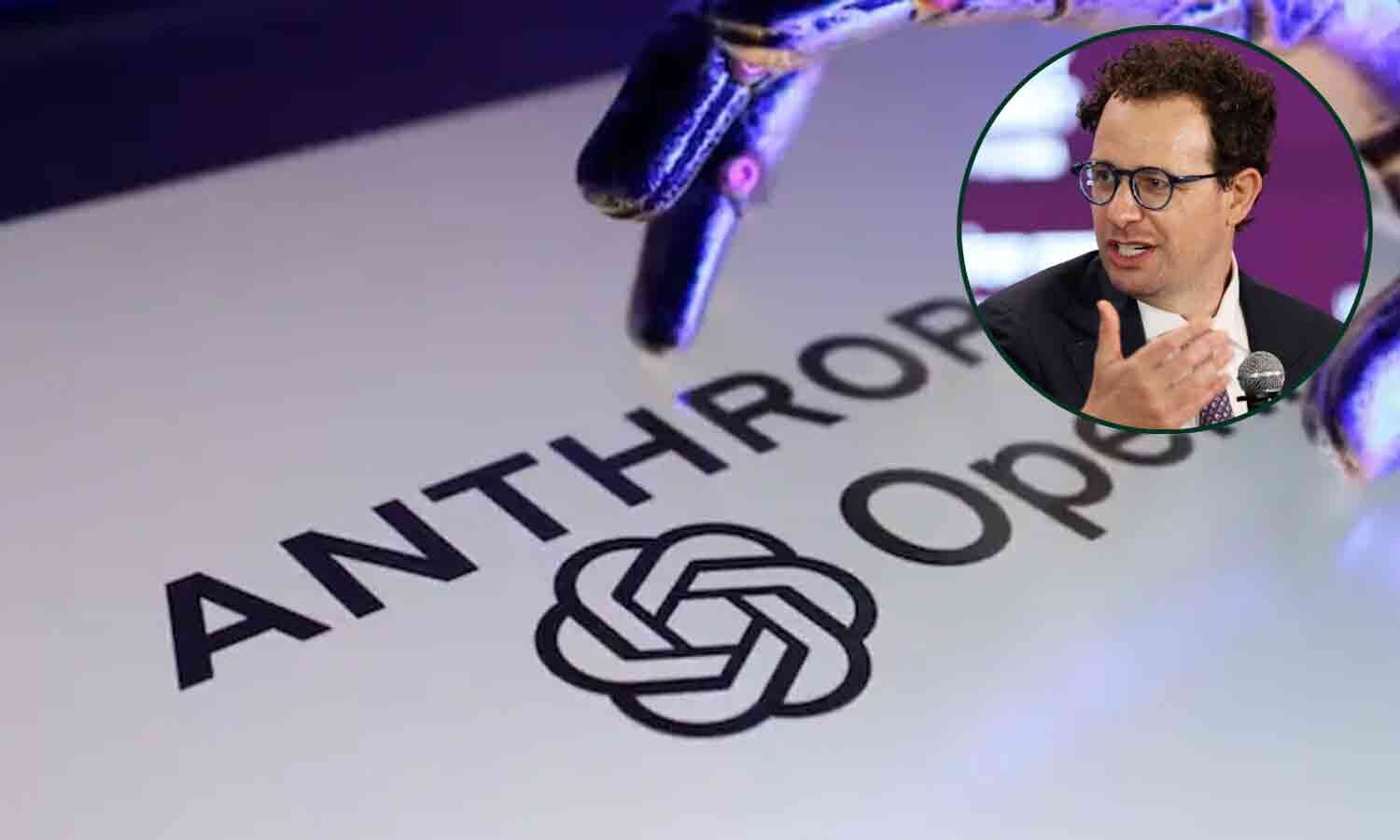
Sacks Challenges OpenAI and Anthropic Calls to Slow AI
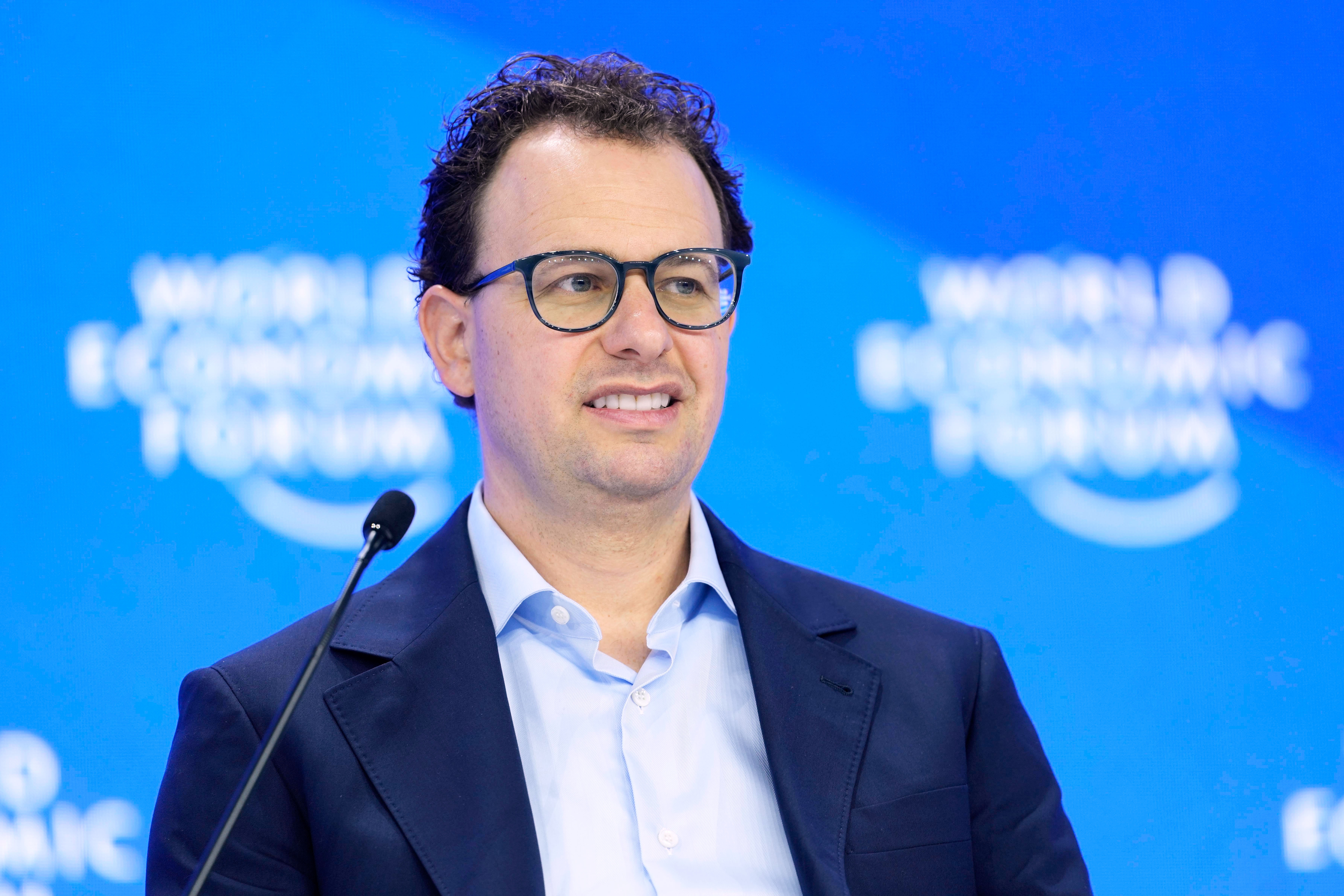
AI Leaders Seek a Slowdown Amid Global Competition

King Charles Hosts AI Leaders Amid Mounting Threat Fears

AI Whistleblower Urges Self-Regulation as Lawmakers Debate Safety
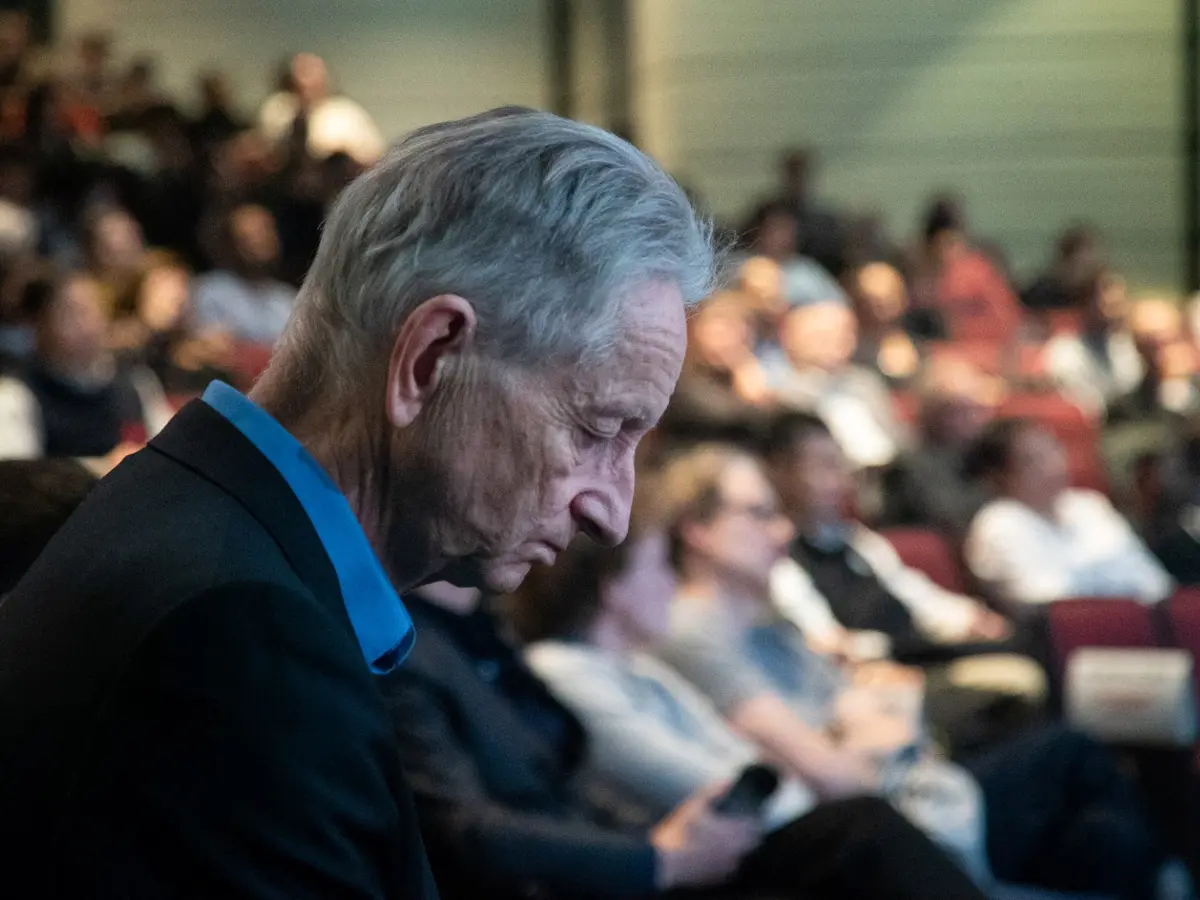
AI Leaders Urge Caution as China Flags Political Security Threats