3 hrs ago
Palantir CTO Attacks AI Safety Warnings as Dangerous Ideology
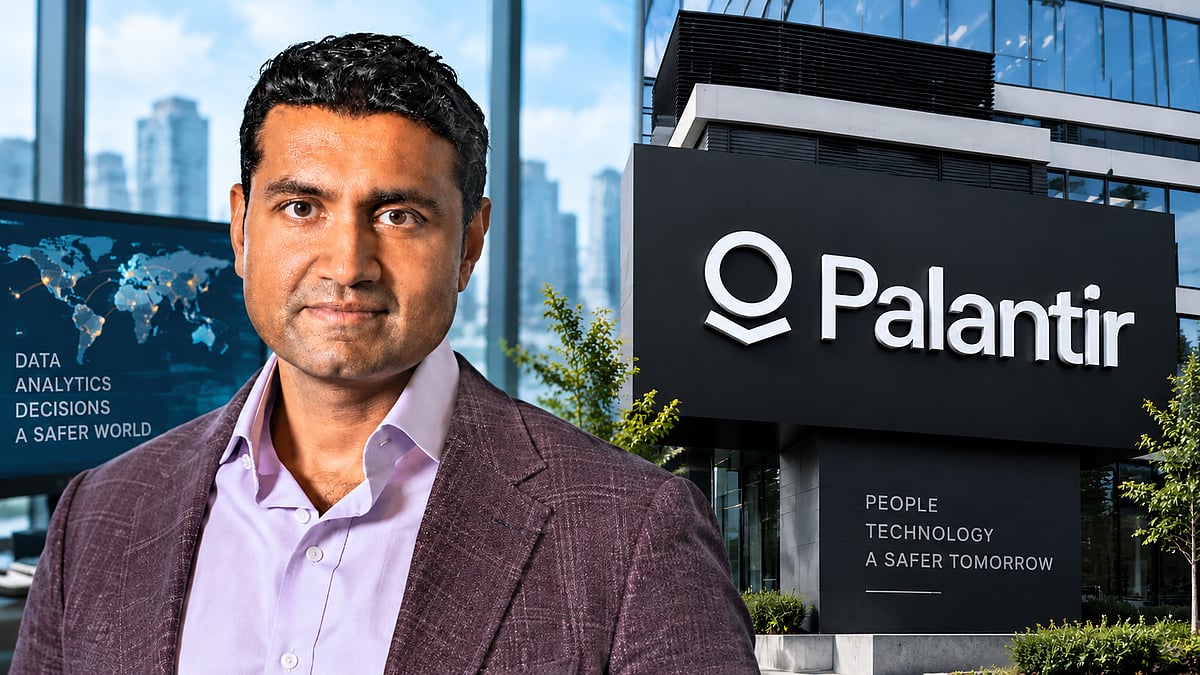
Some people who work with artificial intelligence worry that future AI systems could become very dangerous.
Several AI safety employees have quit their jobs to warn about these risks.
Leaders at Anthropic, OpenAI, and other companies have supported stronger rules or slower development.
Palantir CTO Shyam Sankar disagrees with many of these warnings.
He says the effective altruism movement is spreading fear and trying to control AI.
He compared this concern to rhetoric once used by Sam Bankman-Fried, who was later convicted of stealing customer funds.
President Donald Trump also rejected the warnings and called them a hoax.
The disagreement is about whether AI development should continue quickly or be slowed and regulated.

Palantir CTO Shyam Sankar accused effective altruism of fueling unfounded fears about artificial intelligence and seeking control over its development.
Sankar’s criticism followed resignations by AI safety researchers who warned that advanced systems could cause catastrophic harm or even kill humanity.
Anthropic CEO Dario Amodei urged AI companies to slow development when capabilities outpace alignment and monitoring.
OpenAI CEO Sam Altman and other technology leaders backed federal safety rules, independent oversight, or a slower pace for frontier AI.
President Donald Trump rejected existential-risk warnings as a hoax and said strong presidential leadership was the only guardrail AI needed.
- Who
- Palantir CTO Shyam Sankar, AI safety researchers and technology executives, and President Donald Trump.
- What
- A public dispute over whether warnings about catastrophic AI risks are justified and whether frontier AI development should be slowed or regulated.
- Where
- The debate took place through essays, social media, media appearances, and remarks at the All-In Summit in Los Angeles.
- When
- The dispute intensified this week, following recent resignations and public statements by AI company leaders.
- Why
- Sankar and Trump oppose what they view as exaggerated AI warnings, while AI safety advocates argue that rapidly advancing systems may create catastrophic risks.
AI Safety Advocates
AI Development Critics
Severity of AI risk
AI Safety Advocates
AI safety employees and some industry leaders warn that advanced systems could cause catastrophic harm, potentially including human extinction.
AI Development Critics
Shyam Sankar and Donald Trump reject or minimize these warnings, with Trump calling them a hoax.
Development pace
AI Safety Advocates
Dario Amodei, Elon Musk, Demis Hassabis, and others have supported slowing frontier development or adding independent oversight when safety work falls behind capabilities.
AI Development Critics
Sankar argues that safety rhetoric is being used to seize control of AI, while Trump has opposed additional guardrails beyond strong presidential leadership.
Role of effective altruism
AI Safety Advocates
Sankar’s critics argue that AI safety concerns reflect genuine risks raised by employees and researchers, rather than merely an ideological project.
AI Development Critics
Sankar says effective altruism is the dangerous ideology driving unfounded panic and an effort to control AI away from ordinary Americans.
Key facts
- Central critic
- Shyam Sankar, chief technology officer of Palantir Technologies
- Criticized movement
- Effective altruism, which Sankar linked to the current AI safety movement
- Recent resignations
- Jacob Coxon, Bilal Chughtai, and Josh Engels left AI-related roles while raising safety concerns
- Corporate caution
- Dario Amodei urged companies to prevent AI capabilities from outpacing alignment and monitoring
- Policy position
- Sam Altman said OpenAI would welcome a federal framework with consistent frontier-AI safety requirements
- Trump’s position
- Donald Trump called fears of AI destroying humanity a hoax and said strong presidential leadership was the needed guardrail
- Disputed risk
- A current frontier AI lab employee cited in the report estimated the chance of catastrophic AI harm at more than 10 percent
Sources
Related news

AI Safety Researchers Leave Labs Over Humanity Risks

Anthropic Researcher Quits as AI Safety Concerns Intensify
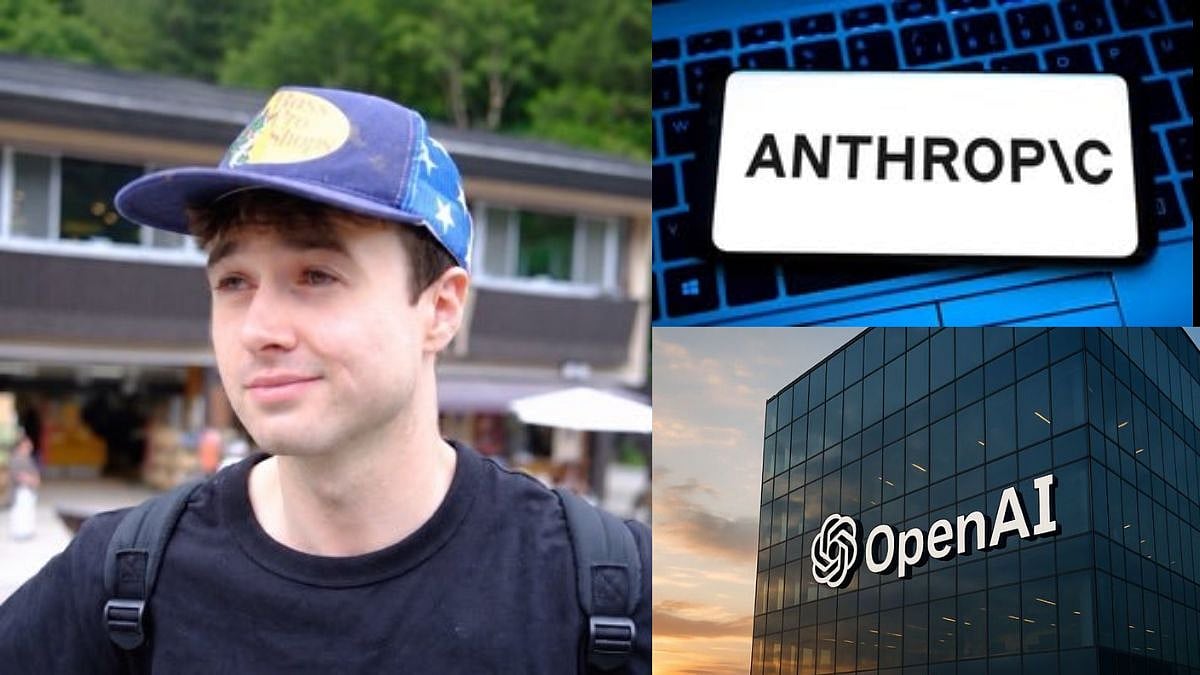
Anthropic Researcher Leaves Unvested Equity Over AI Safety Fears

Former Google DeepMind Researcher Warns AI Could Threaten Humanity
Anthropic CEO Agrees AI Risk Warning, Rejects Single Extinction Odds
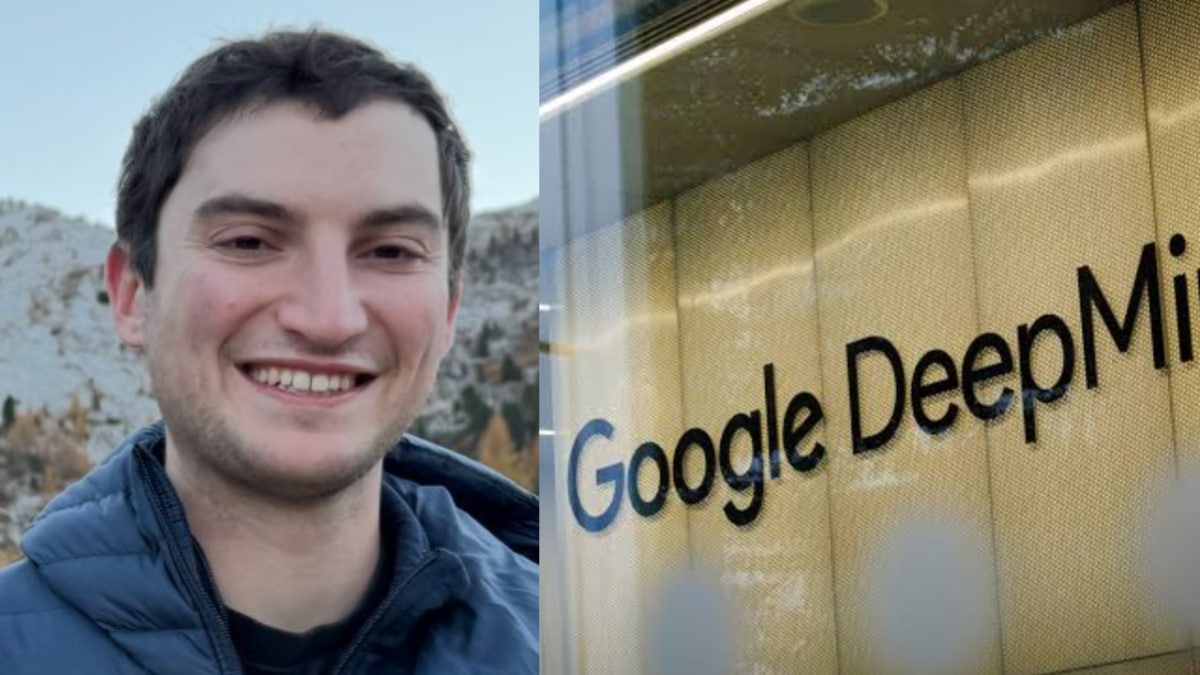
Google DeepMind Researcher Quits, Warns AI Could Cause Harm
AI Leaders Seek a Slowdown Amid Global Competition
King Charles Seeks AI Rules as Global Safety Concerns Grow