4 days ago
ISRO Employees Escalate Protest Over Proposed Space Sector Privatisation

Nine groups representing ISRO employees are worried about possible changes to the space agency’s work.
They believe some rocket-making and operating jobs could move to private companies.
The groups say they are not against private companies joining the space sector.
However, they want clear rules about which work will remain with ISRO.
They also want to know what will happen to employees, their jobs and their skills.
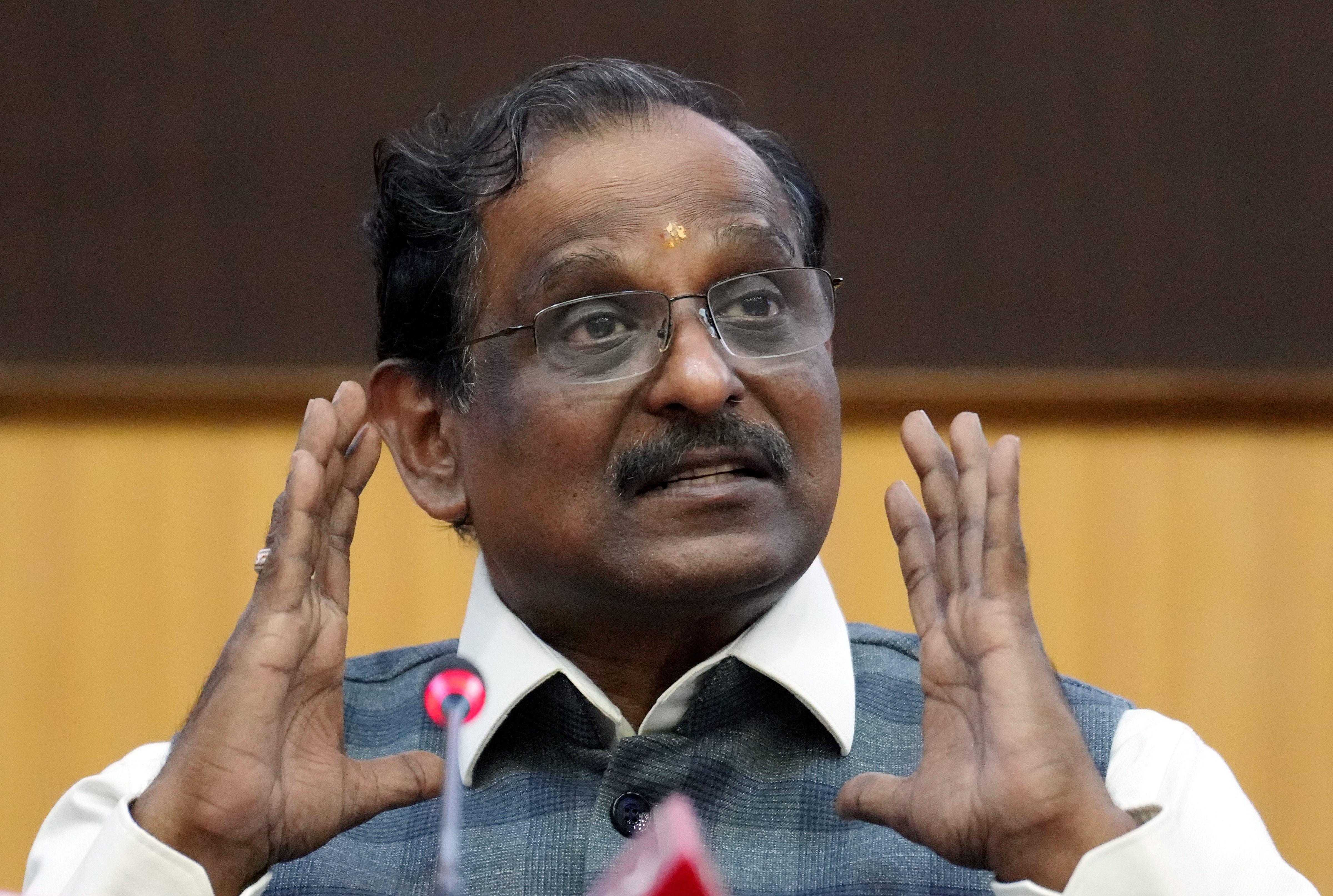
ISRO Chairman V Narayanan spoke to employees, but the groups said he did not answer their specific questions.
They plan to distribute pamphlets to explain their concerns.
They are also asking for a formal consultation system inside ISRO.
This system has not been in place since 2019.

Nine ISRO employee associations plan to distribute pamphlets after rejecting Chairman V Narayanan’s response as inadequate.
The associations seek written clarity on transferring ISRO’s manufacturing and operational functions to private entities.
They support private participation but oppose transferring key rocket technologies while ISRO’s future responsibilities remain unclear.
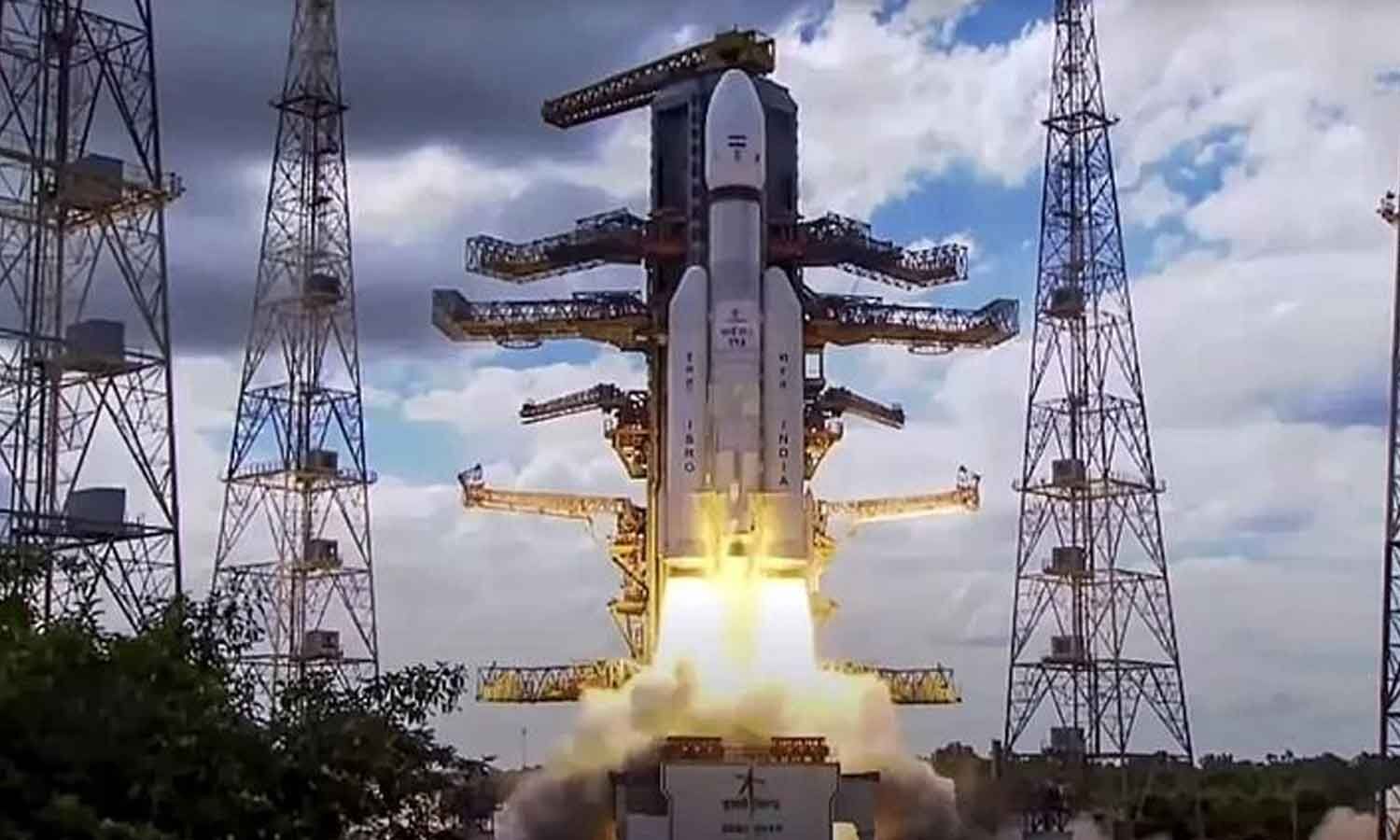
Employees want answers about ISRO’s continuing role in PSLV, LVM3, SSLV and successor launch vehicles.
The associations also seek restoration of Joint Consultative Machinery, which has been absent in ISRO since 2019.
- Who
- Nine ISRO employee associations and ISRO Chairman V Narayanan are central to the dispute; the concerns also involve NSIL, IN-SPACe and private-sector entities.
- What
- The associations are escalating a campaign seeking clarity about possible transfers of ISRO’s manufacturing and operational functions to industry.
- Where
- The dispute concerns the Indian Space Research Organisation and India’s public space programme.
- When
- The associations wrote to V Narayanan on September 4; the article also references his subsequent employee video address and a campaign planned afterward.
- Why
- The associations fear that shifting rocket production and other operations outside ISRO could weaken in-house capabilities and affect employment, recruitment, promotions and career progression.
Employee Associations’ Concerns
ISRO and Space-Sector Reform Position
Private participation and technology transfer
Employee Associations’ Concerns
The associations say they support private participation but oppose transferring rocket technologies to private players while excluding public-sector entities and leaving ISRO’s future role unclear.
ISRO and Space-Sector Reform Position
The reported reform direction involves shifting manufacturing and operational functions toward industry, while ISRO says its importance and public institutional role will not diminish.
ISRO’s future responsibilities
Employee Associations’ Concerns
Employees want written confirmation that ISRO will continue designing, developing, fabricating, integrating, testing and launching vehicles including PSLV, LVM3, SSLV and successors.
ISRO and Space-Sector Reform Position
ISRO’s stated position is that it will remain the principal institution for advanced research, technology development, national and strategic missions and frontier capabilities, but the associations say this has not defined which operational functions remain.
Employee consultation
Employee Associations’ Concerns
The associations say major organisational changes should be discussed through Joint Consultative Machinery and formally communicated rather than inferred from media reports and public statements.
ISRO and Space-Sector Reform Position
V Narayanan addressed employees by video conference and assured them there would be work for all, although the associations said the address did not answer their specific questions.
Key facts
- Employee groups
- Nine ISRO employee associations are participating in the campaign.
- Planned action
- The associations intend to issue pamphlets to employees and the public.
- Written request
- They asked for clarification from V Narayanan in a letter dated September 4.
- Launch vehicles cited
- The associations specifically referenced PSLV, LVM3, SSLV and successor vehicles.
- Consultation mechanism
- They want Joint Consultative Machinery restored; they say it has been absent since 2019.
- Next-generation vehicle
- The associations referred to the next-generation launch vehicle, code-named Soorya, which remains under development.
- ISRO’s stated position
- ISRO has said it will not be privatised or have its importance diminished and will remain responsible for advanced space research, technology development, national and strategic missions and frontier capabilities.
Quotes
An unnamed ISRO employee association leader
Leader of one of the nine ISRO employee associations
“We will be issuing pamphlets about our issues. The response of (ISRO Chairman Dr V) Narayanan is not satisfactory and it did not address the core issue raised by the nine associations in their letter.”
 rediff.com
“One of the issues faced by the ISRO employees is the absence of Joint Consultative Machinery since 2019 within the organisation to deliberate and decide on the issues in a structured manner.”
rediff.com
Sources
Related news

ISRO Staff Seek Clarity Over Private Space-Sector Expansion
ISRO Rejects Privatisation Claims, Defends Future National Role
ISRO Chief Rejects Privatisation Concerns, Backs Industry Expansion

ISRO, IN-SPACe Clash Over Transfer of Mature Rocket Technologies

ISRO Staff Bodies Seek Clarity on Reported Privatisation Push

Opposition Questions ISRO Privatisation Push as Staff Seek Clarity
Karnataka Seeks Global Partners to Build Proposed Quantum City
ISRO role remains central as private firms take routine manufacturing