

53 mins ago
Mehendi Applying Machine Sparks Debate Over Jobs And Human Touch
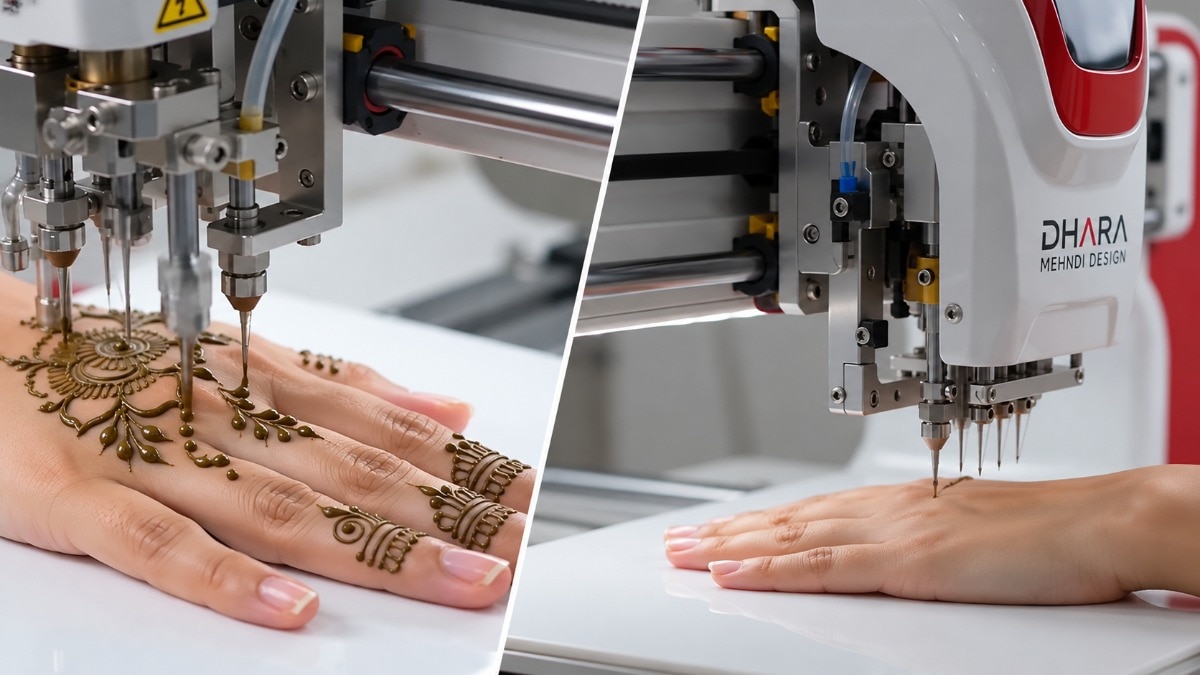
A video shows a machine putting a detailed mehendi design on someone’s hand.
Harsh Goenka shared the video and suggested that machines could take away more jobs.
Mehendi is often used at weddings and festivals in India.
Many people enjoy not only the design but also meeting and talking with the artist.
Some viewers think a machine could make the process faster and more consistent.
Other viewers would rather have a person use a mehendi cone.
They also worry that people are trying to make every activity quicker.
The discussion is really about whether machines should replace human work in personal services.
It asks whether the human experience is as important as the final design.

A video shows a woman placing her hand inside a machine that appears to apply an intricate mehendi design.
Businessman Harsh Goenka shared the clip on X on September 9, 2026, captioning it, “Some more jobs gone.”
The video has prompted debate about whether automation could replace work requiring human skill and creativity.
Mehendi is closely associated with Indian weddings, festivals such as Teej, and Karva Chauth celebrations.
Some viewers welcomed speed and consistency, while others preferred human craftsmanship, conversation, and personal connection.
- Who
- Harsh Goenka shared the video, while a woman is shown using the mehendi machine; viewers responded online.
- What
- A machine appears to apply an intricate mehendi design with little visible human involvement, prompting debate about automation and jobs.
- Where
- The video was discussed online; the article connects mehendi traditions with India, including Uttar Pradesh.
- When
- The video was shared on September 9, 2026.
- Why
- The clip raised questions about whether machines could replace human skill, creativity, craftsmanship, and interaction in everyday services.
Human Craftsmanship
Automation
Jobs and work
Human Craftsmanship
Critics worry that machines could take away jobs involving human skill and creativity.
Automation
Supporters may see machines as useful for performing some tasks faster and more consistently.
Personal experience
Human Craftsmanship
Some viewers prefer a human artist, conversation, and the personal touch of handmade mehendi.
Automation
People who prioritize speed and convenience may choose a machine-applied design.
Cultural meaning
Human Craftsmanship
For many people, mehendi is part of wedding and festival experiences, not just a finished pattern.
Automation
Automation could reproduce the design, although the article says this raises questions about what happens to the human experience.
Key facts
- Video shared by
- Harsh Goenka
- Posting date
- September 9, 2026
- Activity shown
- Machine application of an intricate mehendi design
- Associated traditions
- Indian weddings, Teej, and Karva Chauth
- Supporters’ view
- Machines may make some tasks faster and more consistent
- Critics’ view
- Human connection and handmade craftsmanship remain important
Quotes
An unnamed user
A commenter who prefers human mehendi artists and personal interaction.
“I really don't know where as a human being we are heading. Why do we want everything so fast and quick.. why we just don't enjoy the time, people around us and the WORK which takes it own time. Why do we want fast life??”
 businesstoday.in
“It doesn't have to be. I still prefer the touch of a human being and prefer thr human connection. I would still let humans have that job. Those who want machines can use machines. I rather still turn to human beings.”
businesstoday.in
Sources
Related news

Henna-Applying Machine Sparks Debate Over Jobs and Automation
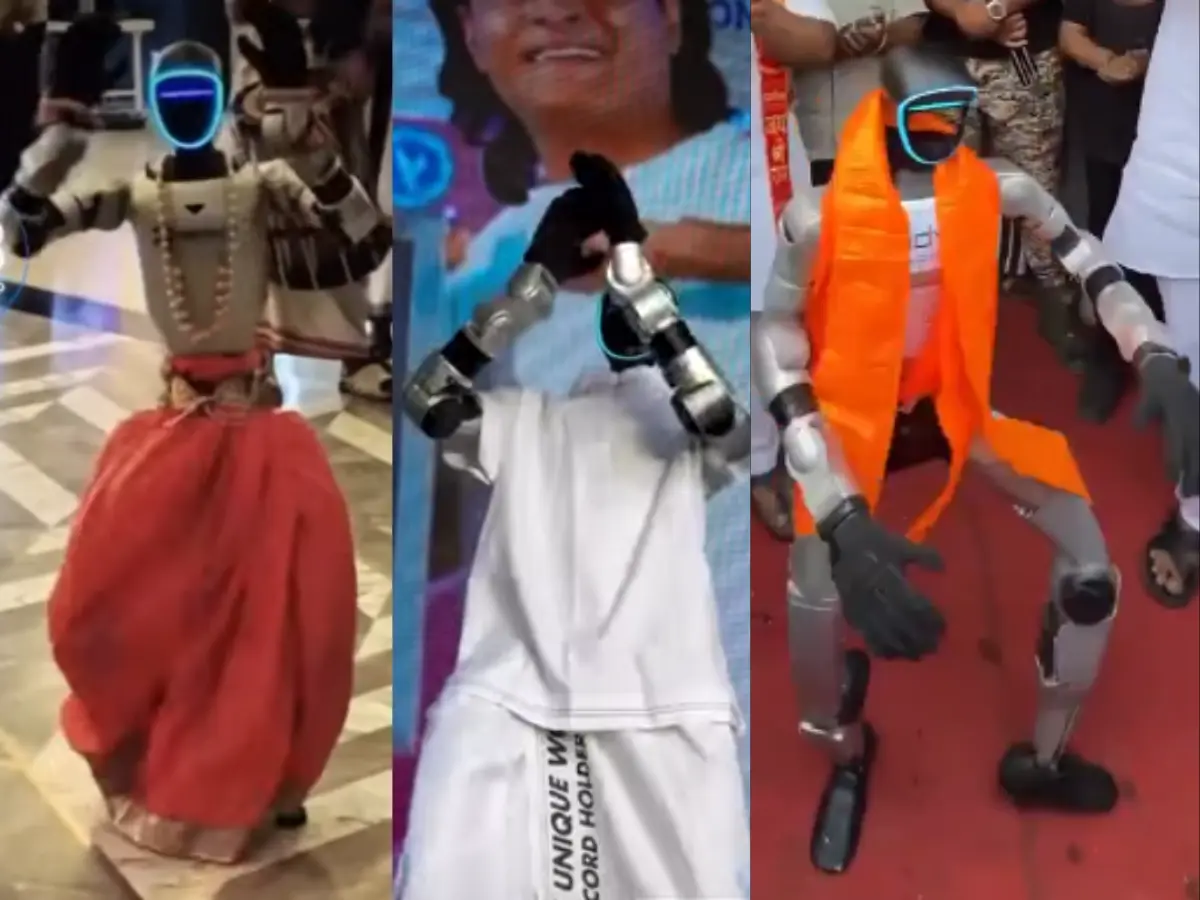
India’s Humanoid Robots Bring Desi Culture to Public Events

Indian Engineer Shares US Mehndi Side-Hustle Earnings Online
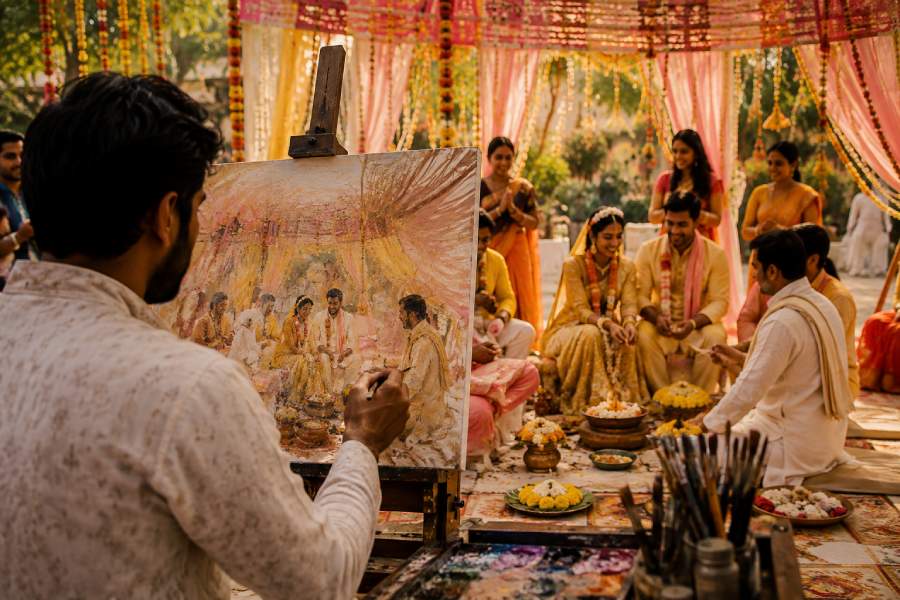
Live Event Painting Brings Handmade Memories to Bengal Celebrations

Gig Work Leaves India’s Workforce Exhausted and Dehumanized
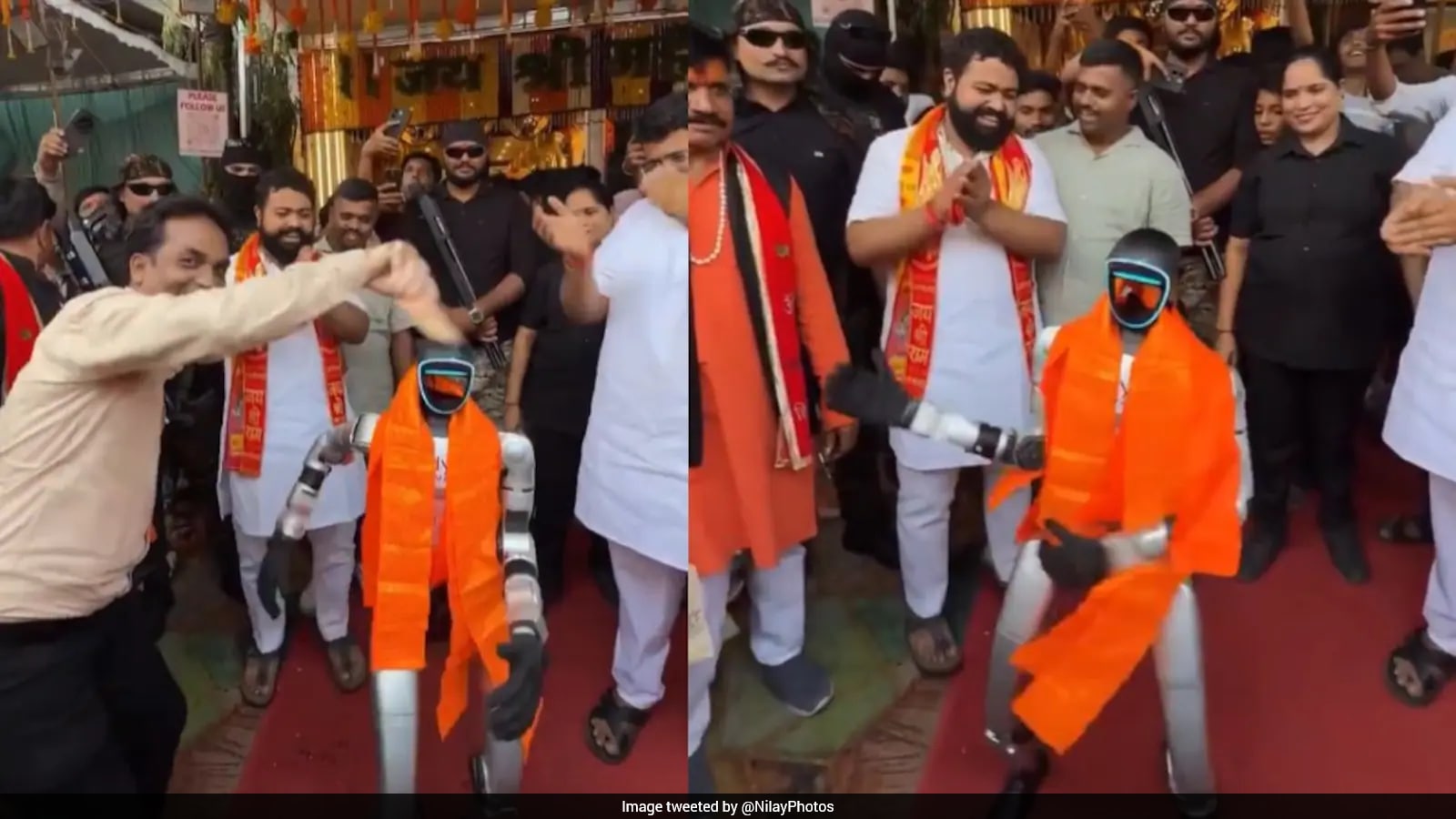
Humanoid Robot Dances at Ujjain Sandwich Shop Opening

228 Tonnes Of Government Wheat Unaccounted For In Uttar Pradesh

Allahabad High Court Halts Teacher’s Suspension Pending Inquiry

AQIS Expands Digital Recruitment While Rebuilding Afghan Bases
Indian Railways Plans 100 Special Trains for Festive Rush
