

1 day ago
Home secretary urges SSB to revive border engagement role
The Sashastra Seema Bal, or SSB, protects India’s open borders with Nepal and Bhutan.
A senior government official said it should spend more time working with people who live near those borders.
The SSB originally built trust with local communities and gathered information about possible dangers.
Its focus later shifted more toward armed border protection.
The government wants it to do both jobs at the same time.
A new plan would have four groups helping protect the borders.
These groups would include security forces, state officials, law-enforcement agencies and local residents.
The SSB uses cameras, radar and drones to watch movement.
It also works against trafficking, drug smuggling, arms smuggling and fake currency operations.

Union Home Secretary Govind Mohan urged the Sashastra Seema Bal to restore its original role of engaging border communities.
The SSB was established around 1961-62 to build goodwill, generate intelligence and support armed forces near the borders.
The force will retain its current mandate while contributing to a proposed four-pillar border-security system.
The system would involve border forces, state authorities, law-enforcement agencies and local populations.
The SSB monitors unfenced Nepal and Bhutan borders using facial-recognition cameras, CCTVs, radars and drones.
- Who
- Union Home Secretary Govind Mohan, the Sashastra Seema Bal, Home Minister Amit Shah and SSB Director General Sanjay Singhal.
- What
- Mohan urged the SSB to revive its community-engagement and intelligence-gathering role while maintaining its border-guarding duties.
- Where
- New Delhi and the unfenced India-Nepal and India-Bhutan borders.
- When
- At an investiture ceremony on Tuesday, September 1; the year was not specified.
- Why
- To build goodwill, strengthen intelligence networks and support a proposed quadrangular border-security system.
Key facts
- SSB border responsibilities
- The force guards 1,751 kilometres of the India-Nepal border and 699 kilometres of the India-Bhutan border.
- Original role
- The SSB was conceptualised around 1961-62 to generate goodwill, engage local residents and build intelligence networks.
- Current mandate
- The force is expected to restore its original engagement role while continuing its border-guarding responsibilities.
- Quadrangular security system
- The proposed system includes border forces, state authorities, law-enforcement agencies and local populations.
- Border technology
- The SSB uses facial-recognition cameras, CCTVs, radars and drones to monitor movement.
- Nepal-border movement
- More than 325,000 people and 46,000 vehicles move through the Nepal border area daily.
- Bhutan-border movement
- More than 50,000 people and 8,000 vehicles move through the Bhutan border area daily.
- Investiture awards
- Eighteen SSB personnel received medals for gallantry and distinguished service.
Quotes
Sanjay Singhal
Director General of the Sashastra Seema Bal
“When the SSB was conceptualised in the 1961-62 time period, its main aim was to generate goodwill for India, engage with the locals to prepare a strong intelligence network at these borders and help the Armed forces deployed in these areas through these activities.”
 theprint.in
“At the MHA, he said, we believe the SSB should take steps to return to its original role – for which it was conceptualised – while maintaining its current mandate.”
theprint.in
Sources
Related news
Amit Shah Praises SSB Rescue Work During Nepal Floods

Bandi Sanjay Praises SSB’s Technology-Driven Border Security Efforts

Amit Shah Highlights AI, Anti-Drone Border Security Capabilities

Suvendu Adhikari Links Bengal Security With National Security

Bandi Sanjay Inaugurates Residential Units for SSB Personnel Near Ibrahimpatnam
Shah Announces Tri-State Grid to Fortify Siliguri Corridor

Nepal Thanks India as Glacial Disaster Rescue Efforts Continue
Nepal Warns of Heavy Rain After Deadly Floods
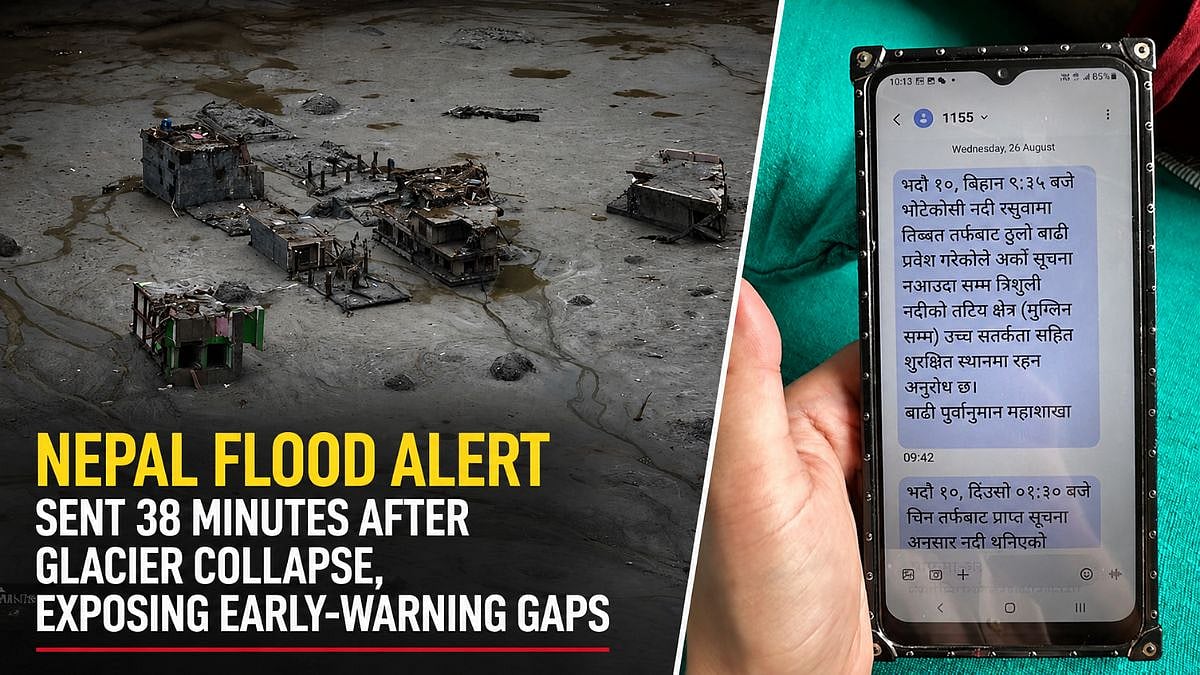
Nepal Flood Exposes Delayed Alerts and Cross-Border Warning Gaps
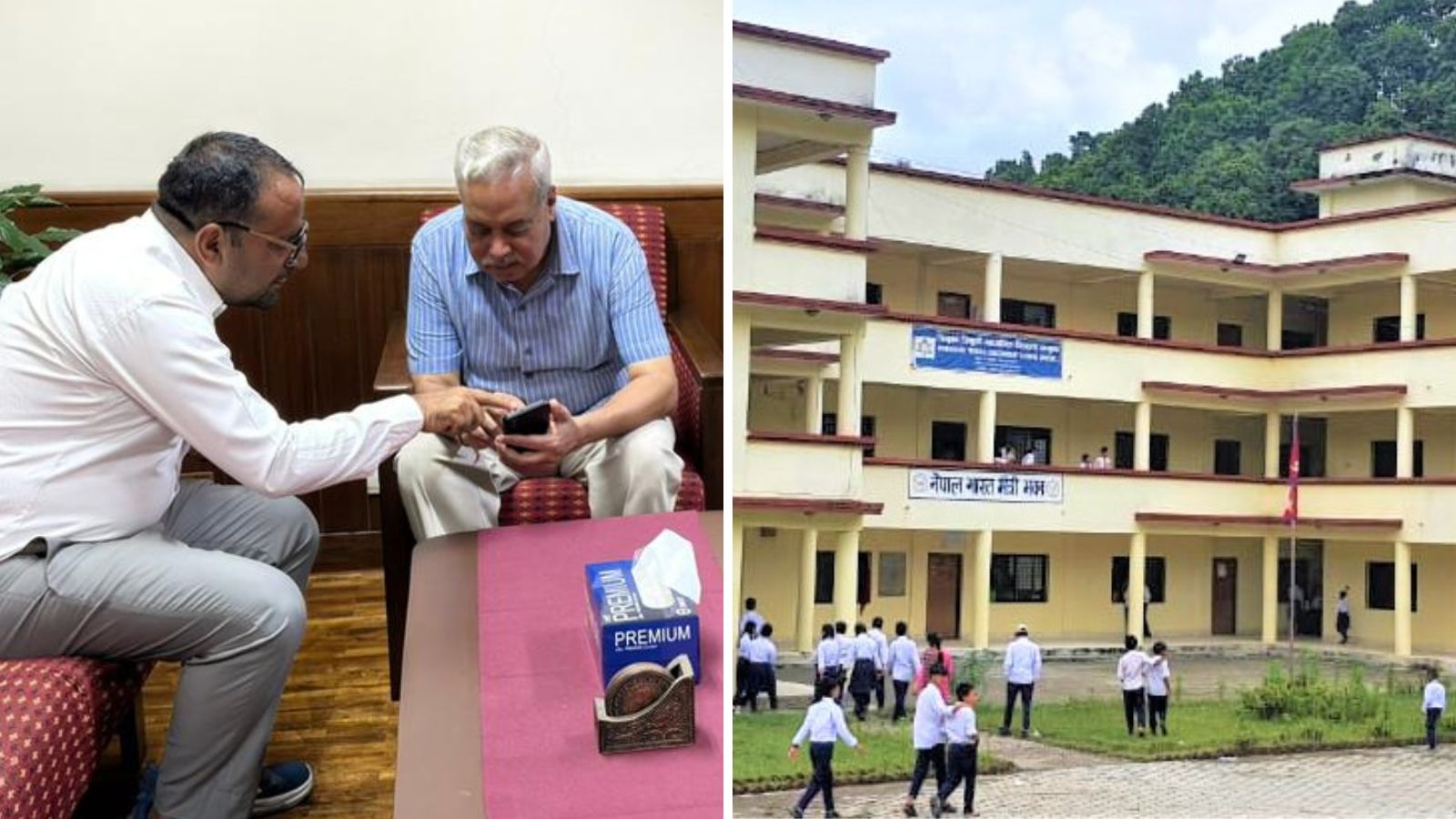
India to Rebuild Nepal School After Principal Saves 1,600
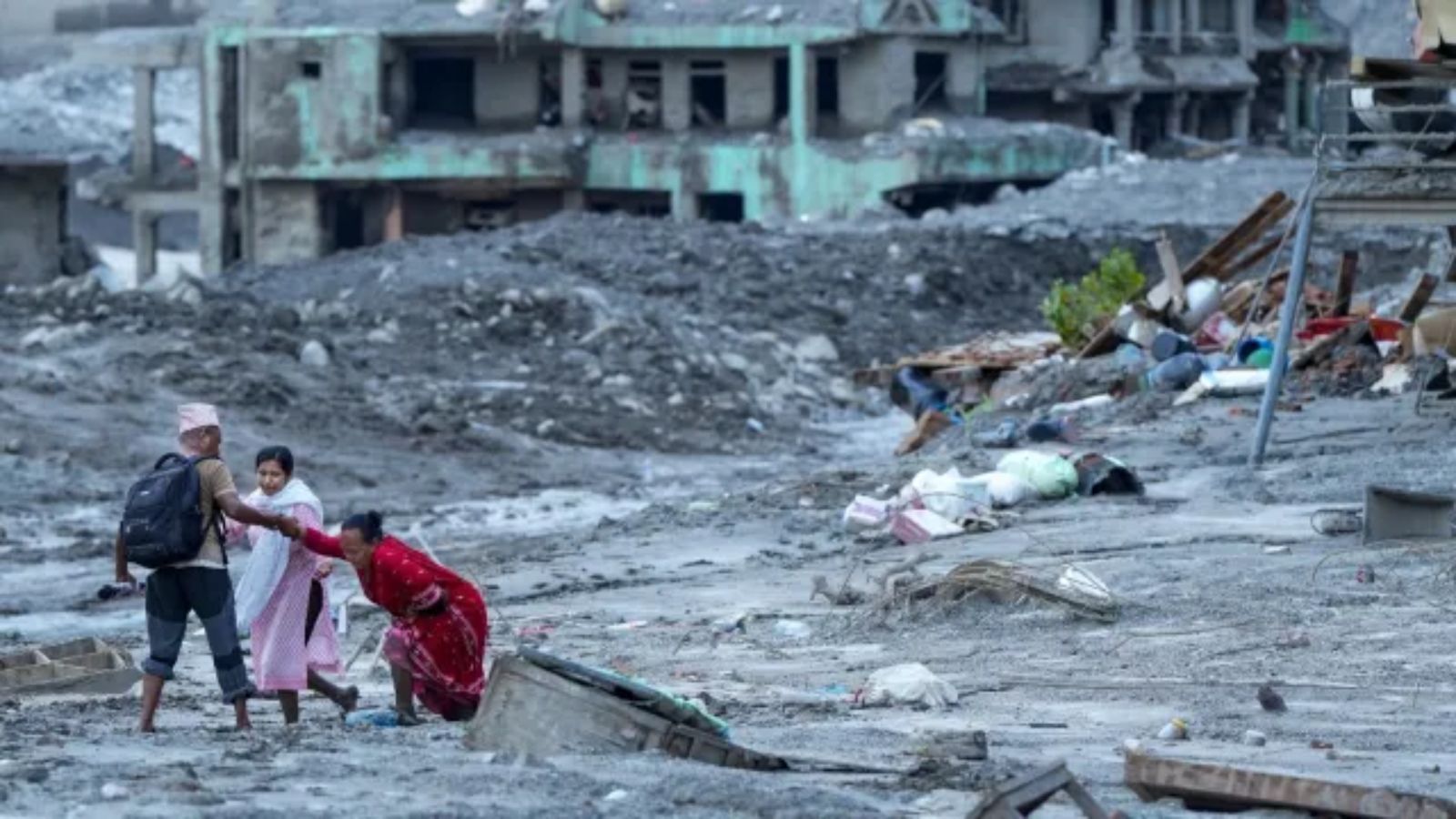
Maharashtra Mountaineers Join Search for Missing Nepal Trekkers
