

1 hr ago
When to See a Fertility Expert After 35
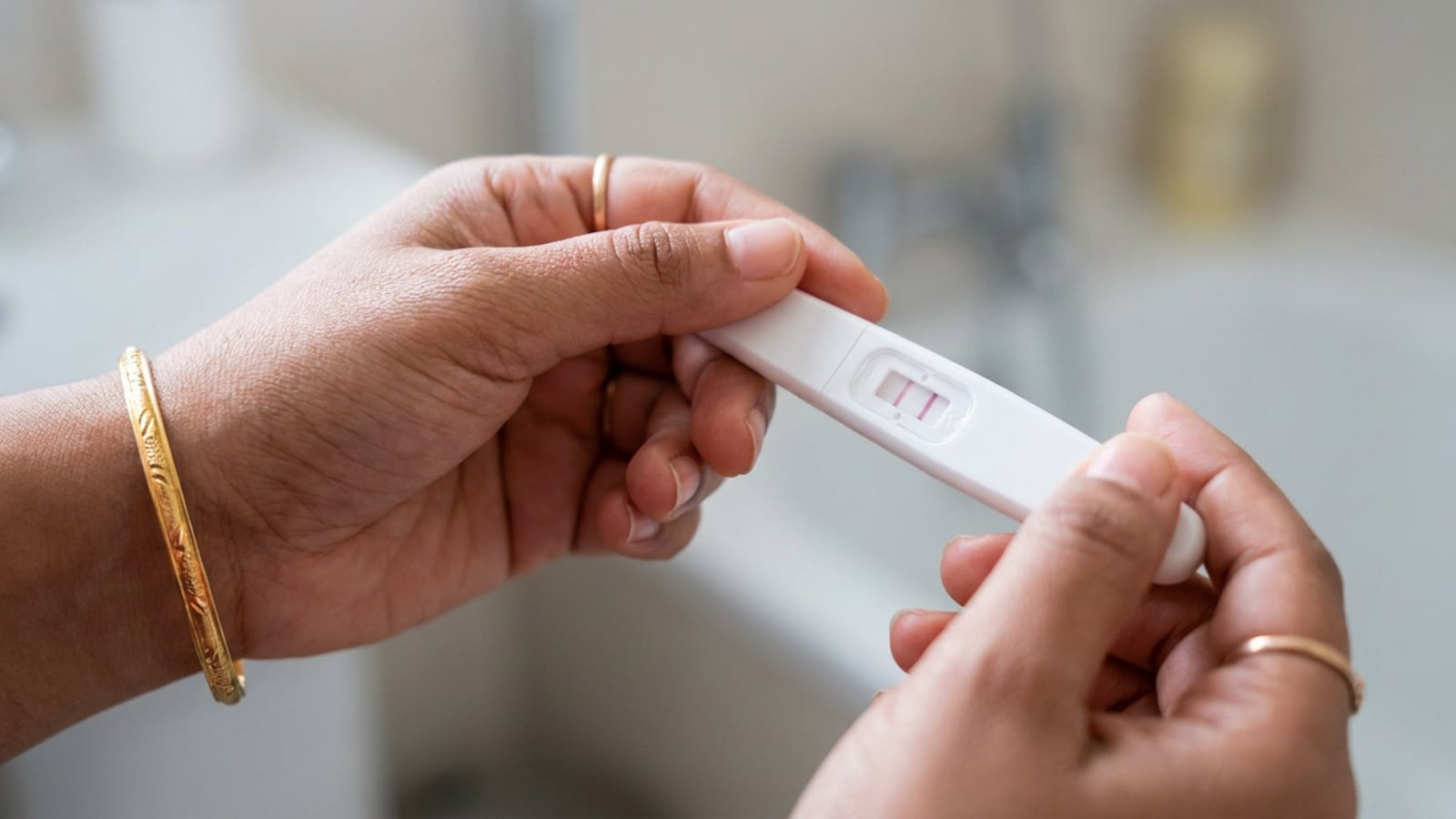
It can take different amounts of time for people to become pregnant.
The article says women under 35 can generally ask about a fertility check after trying for a year.
Women aged 35 to 39 may seek advice after six months.
Women aged 40 or older may want to ask sooner.
Some health conditions or irregular periods can also be reasons to speak with a doctor earlier.
A history of multiple pregnancy losses may be another reason to get medical advice.
A fertility specialist can explain tests and possible choices, including IUI and IVF.
Seeing a specialist does not automatically mean a couple needs treatment.
The article says this is general information, not a replacement for advice from a doctor.

Women under 35 are generally advised to seek a fertility evaluation after 12 months of regular, unprotected intercourse without conception.
Women aged 35 to 39 may consider consulting a specialist after six months of trying; women 40 and older may seek advice sooner.
Irregular, very painful or absent periods, known fertility-related conditions, or concerns about a partner’s reproductive health may warrant earlier consultation.
Couples who have experienced multiple pregnancy losses may benefit from an evaluation of possible underlying factors.
A fertility specialist can discuss testing and options such as medication, intrauterine insemination (IUI) and in-vitro fertilisation (IVF); consultation does not mean treatment is necessarily required.
- Who
- Couples trying to conceive, and people with fertility-related concerns; the guidance is attributed to Dr Puneet Rana Arora, a fertility expert at CIFAR, Gurugram.
- What
- Guidance on when to consult a fertility specialist and what options a consultation may cover.
- Where
- The article identifies Dr Puneet Rana Arora with CIFAR in Gurugram; the guidance is not limited to a specific location.
- When
- Generally after 12 months of trying for women under 35, after six months for ages 35 to 39, and sooner for women aged 40 or older; earlier advice may be appropriate when concerns or known factors exist.
- Why
- To assess possible factors affecting conception and discuss testing or treatment options.
Key facts
- Under age 35
- A fertility evaluation is generally considered after 12 months of regular, unprotected intercourse without conception.
- Ages 35–39
- Consultation may be considered after six months of unsuccessful attempts.
- Age 40 and older
- Evaluation may be considered sooner rather than waiting several months.
- Reasons to seek advice earlier
- Examples include irregular, very painful or absent periods; known conditions affecting fertility; or concerns about either partner’s reproductive health.
- Pregnancy losses
- Couples with multiple pregnancy losses may benefit from specialist evaluation.
- Options discussed
- The article mentions fertility testing, medication, intrauterine insemination (IUI) and in-vitro fertilisation (IVF).
- Expert quoted
- Dr Puneet Rana Arora, Fertility Expert, CIFAR, Gurugram.
Quotes
Dr Puneet Rana Arora
Fertility expert at CIFAR, Gurugram
“For women under 35, fertility evaluation is generally considered after 12 months of regular, unprotected intercourse without conception. However, couples do not necessarily have to wait a full year if there are already concerns about fertility or a known medical condition that could affect conception.”
 NDTV
NDTV
Sources
Related news

Pregnancy After 30: Understanding Fertility, Egg Reserve and Health

Pregnancy After 40: Fertility, IVF and Risks Behind Celebrity News

Indian Women Often Hear Fertility Advice Too Late
Why British Asian Couples Travel to India for IVF

Low AMH With Regular Periods May Still Support Fertility

AIIMS Screening Finds Menstrual Irregularity Among Nearly One-Fifth of Schoolgirls

Gurugram Woman Arrested Over Alleged Dating-App Blackmail and Extortion

Max Estates Reports ₹3,200 Crore H1FY2027 Pre-Sales, Q2 Surges

Gurugram Police Chief Apologises for Lapses in Cremation Case
Retired Teacher Strangled; 22-Year-Old Arrested in Gurugram
