

6 hrs ago
Doctor Explains Which “Silent” High Blood Sugar Signs Matter
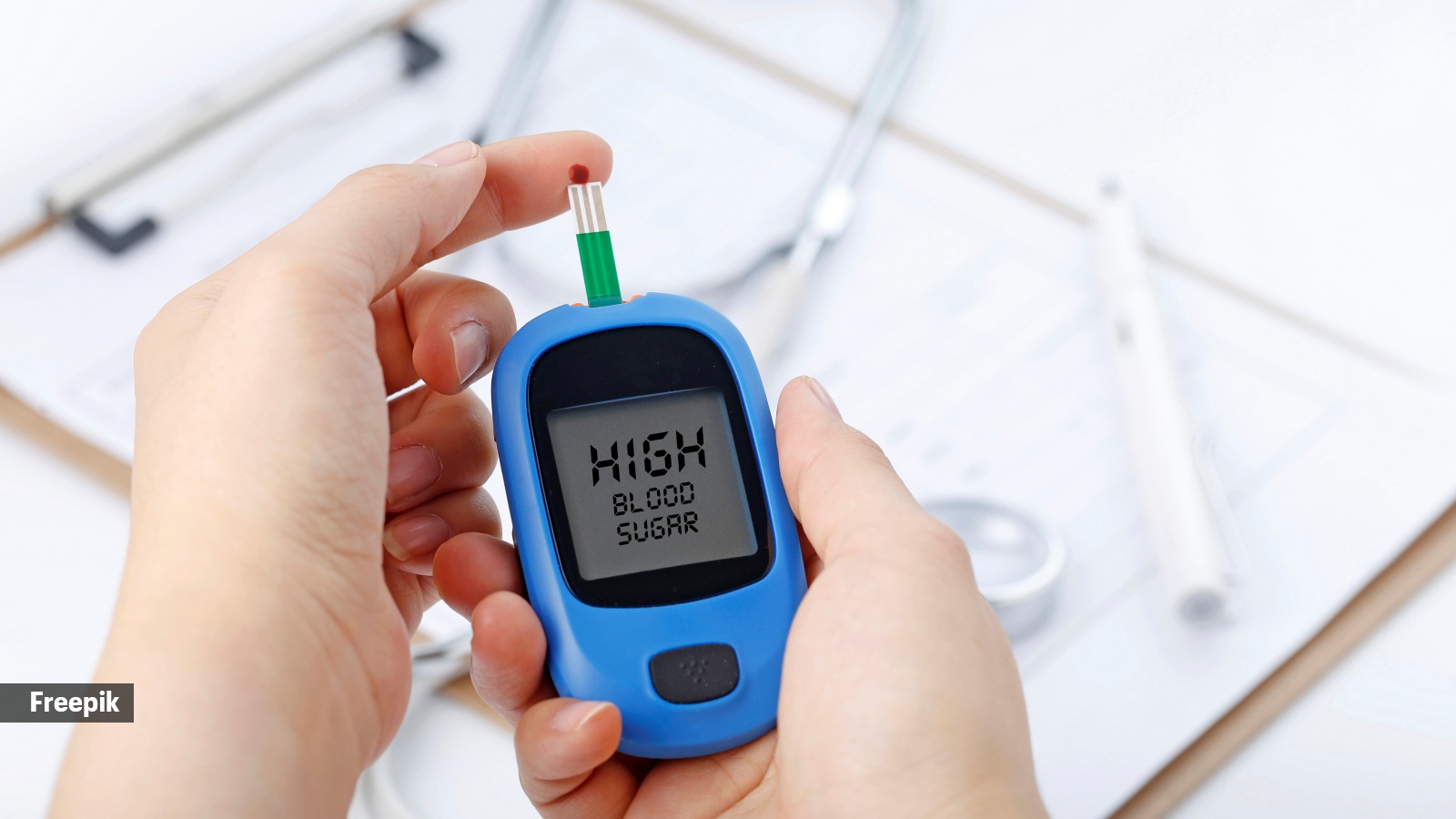
A health educator shared five things she called possible quiet signs of high blood sugar.
These were poor sleep, being very thirsty and urinating often, strong cravings, itching, and body aches or nerve pain.
Doctors say some of these can happen when blood sugar is high.
But the symptoms can have other causes, too.
They are not enough to tell whether someone has diabetes.
Dr Himika Chawla discussed when people should pay attention and consider a blood sugar check.
The article says HbA1c gives a picture of glucose exposure over about two to three months.
It advises people to consult a health practitioner before starting a routine.

Health educator Glucosegurlrami listed poor sleep, excessive thirst and urination, cravings, itching, and body or nerve pain as possible “silent signs” of high blood sugar.
Doctors caution that these symptoms are not all specific to hyperglycaemia.
The symptoms should not be used on their own to diagnose diabetes.
Dr Himika Chawla of PSRI Hospital discussed which symptoms warrant attention and when to consider a blood sugar check.
HbA1c reflects glucose exposure over roughly the previous two to three months.
- Who
- Health educator Glucosegurlrami shared the symptom list; Dr Himika Chawla, an endocrinology and diabetology consultant at PSRI Hospital, discussed it.
- What
- An article reviews five claimed signs of high blood sugar and cautions that they are not all specific to hyperglycaemia or sufficient to diagnose diabetes.
- Where
- When
- Why
- To explain which symptoms may merit attention and when getting blood sugar checked may be worth considering.
Symptoms as possible warning signs
Caution against diagnosing from symptoms
How to interpret the five symptoms
Symptoms as possible warning signs
Glucosegurlrami described poor sleep, thirst and urination, cravings, itching, and body or nerve pain as possible silent signs of too much sugar in the body.
Caution against diagnosing from symptoms
Doctors caution that the symptoms are not all specific to high blood sugar and should not be used by themselves to diagnose diabetes.
Key facts
- Symptoms listed
- Poor sleep; excessive thirst and urination; uncontrollable cravings; itching; body aches or nerve pain.
- Key caution
- The symptoms are not all specific to hyperglycaemia and should not be used to diagnose diabetes.
- Expert
- Dr Himika Chawla, Senior Consultant in Endocrinology and Diabetology.
- Hospital
- PSRI Hospital.
- HbA1c timeframe
- Reflects glucose exposure over roughly the previous two to three months.
Sources
Related news
Recurring Muscle Cramps May Signal Blood Sugar Problems

Why Blood Sugar Stays High Without Sweets or Sugar

Persistent Thirst and Frequent Urination May Have Non-Diabetic Causes

What HbA1c Results Mean When Blood Sugar Looks Similar

Dehydration May Link Headaches, Sugar Cravings And Bad Breath
