1 week ago
Maharashtra Textbook Revises Vedic Diet and Caste Descriptions

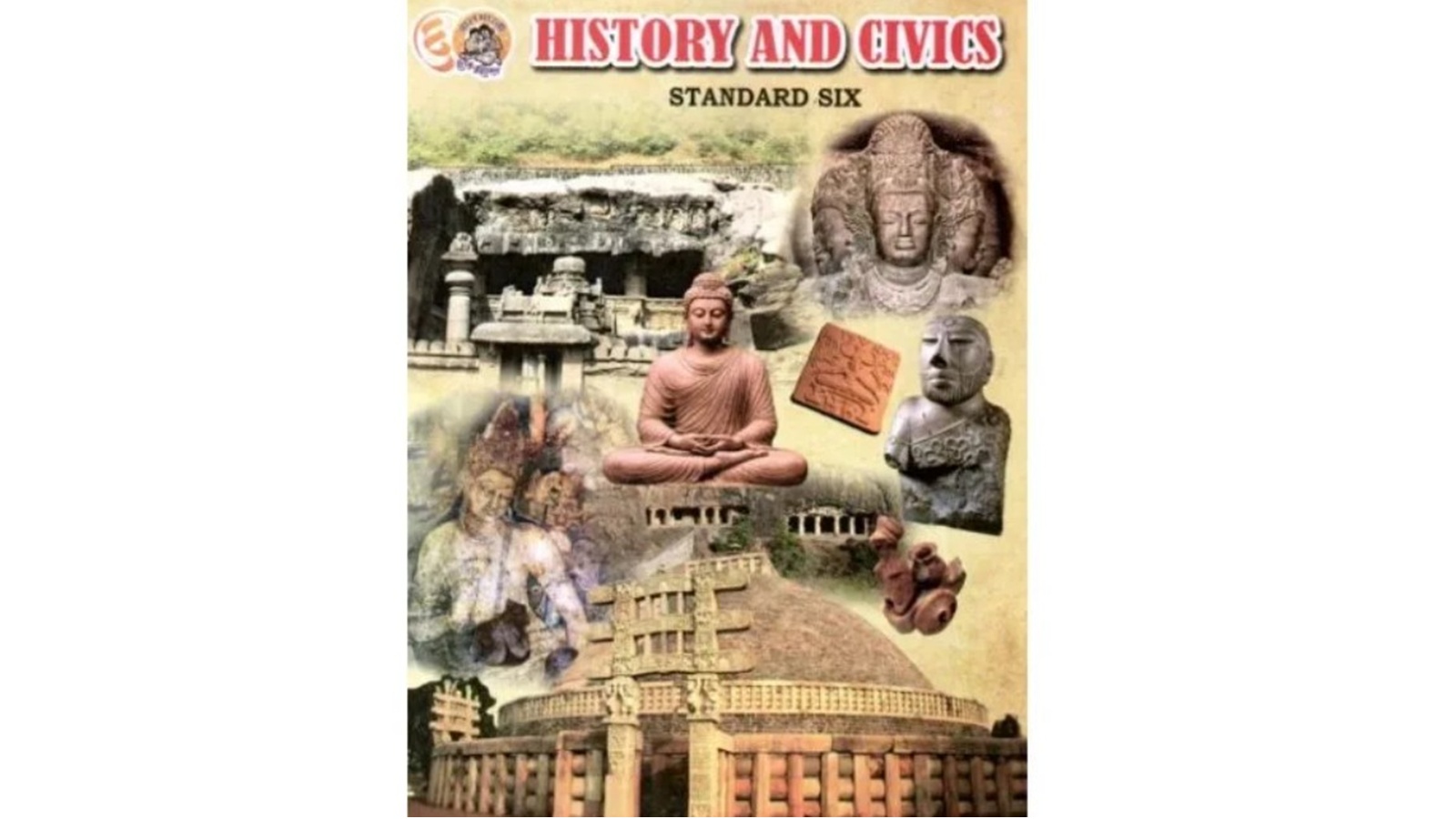
A new Maharashtra schoolbook describes food in the Vedic period as mostly plant-based.
An older version also said that people ate meat.
Historians say ancient writings and archaeological evidence show that meat and fish were eaten too.
The new book also leaves out a sentence about Varna becoming a birth-based caste system.
It describes Vedic society as cooperative and affectionate instead.
Some historians say this makes the past seem more peaceful and equal than the evidence shows.
Balbharti officials say the book was written for young children and focuses on culture rather than every detail.
They say children can learn about the more complicated parts of society as they grow older.
Officials will discuss the concerns before future editions are published.

Maharashtra’s new Class 6 History textbook describes Vedic-period food as plant-based, omitting its previous reference to meat.
Historians say Vedic literature and archaeology document consumption of meat, fish and other animal products.
The revised book removes the earlier explanation that Varna became birth-based caste and contributed to inequality.
The new text instead portrays Vedic society as cooperative and affectionate, a description historians say overlooks hierarchy, conflict and slavery.
Balbharti officials say the changes reflect the textbook’s cultural focus and are intended to avoid influencing young children’s views before later study.
- Who
- Maharashtra’s Balbharti textbook authority, historians and the Class 6 textbook’s authors are involved.
- What
- A revised History textbook changes descriptions of Vedic-period diet and Varna, removing references to meat-eating and caste-based inequality.
- Where
- Maharashtra, India.
- When
- The new Class 6 textbook was introduced this year; further changes may be considered in future editions.
- Why
- Balbharti says the revisions emphasize culture and progression and are intended to suit young children, while historians say they omit important historical evidence.
Historians’ concerns
Balbharti’s rationale
Description of Vedic-period food
Historians’ concerns
Historians say Vedic texts and archaeology record the consumption of different meats and possibly fish, so calling the diet plant-based is incomplete or inaccurate.
Balbharti’s rationale
Archaeologist Shubhangana Atre said plant-based food became the main part of the diet after agriculture began, while acknowledging that meat was also eaten; she said the textbook focused on culture rather than diet details.
Treatment of Varna and caste
Historians’ concerns
Historians say removing the transition from occupational Varna to birth-based caste and the reference to inequality glosses over hierarchy and evidence of conflict and slavery.
Balbharti’s rationale
Balbharti’s Shubhangana Atre said the birth-based explanation was omitted because presenting it to young children could indirectly influence their opinions; she said they would understand the social structure in greater detail as they grew older.
Purpose of a school history textbook
Historians’ concerns
Shraddha Kumbhojkar and Upinder Singh argued that textbooks should present evidence in a balanced way rather than idealize the Vedic period as peaceful, harmonious or pious.
Balbharti’s rationale
Balbharti officials framed the changes as age-appropriate choices connected to the book’s focus on culture and the progression of culture, with possible revisions to be considered later.
Key facts
- Textbook
- New Maharashtra State Board History textbook for Class 6
- Vedic diet in new version
- Described as consisting of grains, dairy products, honey and vegetables, and characterized as plant-based
- Previous diet description
- The earlier textbook said both vegetables and meat were part of the Vedic diet
- Caste passage removed
- The previous version said Varna later became birth-based caste and that the caste system caused inequality
- New social description
- The revised text says people interacted with cooperation and affection and describes four Varnas
- Scholarly evidence cited
- Historians referred to Vedic literature, archaeology, meat consumption, conflict and references to dasas and dasis
- Future editions
- Balbharti Director Anuradha Oak said the issues would be discussed and necessary changes could be incorporated
Quotes
Professor Shraddha Kumbhojkar
Head of the History Department at Savitribai Phule Pune University
“"After the beginning of our agriculture, plant‑based food was introduced and that became the main part of their diet. Whereas meat was also a part of the diet. The authors didn’t mention it because it was not mainly about diet, it was about culture and the progression of culture…"”
 indianexpress.com
“"The paragraphs in the new book, ‘come across as an attempt to idealise the Vedic age by editing out the evidence of meat‑eating and presenting this age as marked by piety, peace and harmony.’"”
indianexpress.com
Sources
Related news
Experts Challenge Maharashtra Textbook’s Depiction of Vedic Mathematics
Why Vedic Sages Might Be Called Intellectual Naxals Today

Savarkar grandnephew tells court he criticised cow worship
Fadnavis Attacks Congress Over NCERT Coverage of Shivaji
Fadnavis Targets UPA Over NCERT’s Coverage of Mughals, Shivaji
Letters Question Food Restrictions, Publishing Pressure and Public Safety

Yasmin Shaikh, Marathi Grammar Scholar, Dies in Pune at 101

MSBOS Announces 100% Marathi Exam Pass Rate Among NRI Students

Somvanshi Poems Added to Maharashtra Class 4 Textbook