1 week ago
Australian Teens Return to TikTok Despite Under-16 Ban
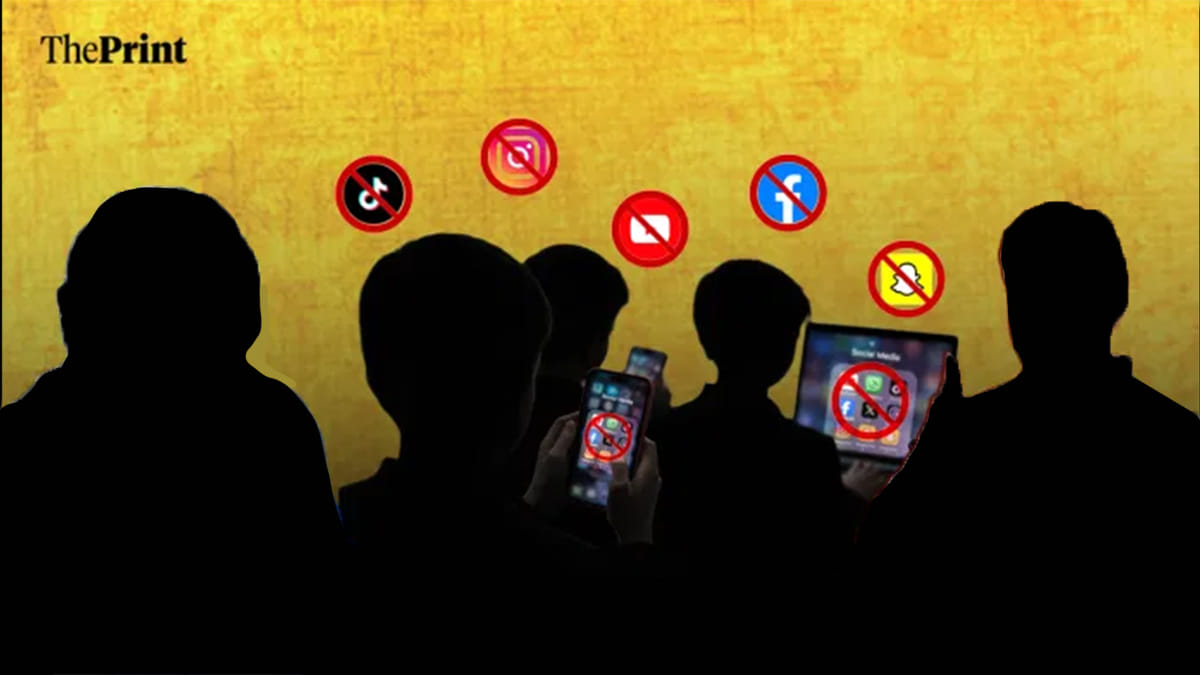
Australia created a rule stopping children under 16 from using many social media services.
The rule began in December and caused usage to drop at first.
New data suggests many teenagers are using TikTok again.
Among 13-to-15-year-olds, TikTok use is only one percentage point below its level before the ban.
Children aged 10 to 12 are using TikTok even more than before.
Instagram and Snapchat have also started becoming more popular again.
Some children may be hiding their ages, using location-masking tools, or avoiding weak age checks.
WhatsApp, which is not covered by the restrictions, became more widely used.
The findings have raised questions about whether Australia’s rules are working.

Qustodio data shows 26% of Australian 13-to-15-year-olds used TikTok last month, nearly returning to pre-ban levels.
TikTok usage among children aged 10 to 12 is now higher than before the restrictions.
Instagram and Snapchat usage initially fell after December’s ban but has since begun rising.
WhatsApp usage among 13-to-15-year-olds increased from 27% before the ban to 36% afterward.
Australia has threatened stronger penalties, but no social media platform has yet been fined for violating the rules.
- Who
- Australian children and teenagers, social media companies, Qustodio, and Australian regulators.
- What
- Younger users are returning to TikTok and other restricted platforms despite Australia’s under-16 social media rules.
- Where
- Australia.
- When
- The restrictions took effect in December; the reported usage data was collected eight months later and measured the previous month.
- Why
- Possible explanations include children disguising their ages, using virtual private networks, or encountering ineffective age checks.
Supporters of Restrictions
Effectiveness Concerns
Need for age limits
Supporters of Restrictions
Supporters argue that social media can harm young users’ mental health and that governments should prevent under-16s from accessing these services.
Effectiveness Concerns
Critics of the current approach point to children’s return to TikTok as evidence that age restrictions and platform compliance may be insufficient.
Australia’s example
Supporters of Restrictions
Supporters say Australia is providing a potential blueprint as other governments consider similar measures.
Effectiveness Concerns
Observers say the country is being closely watched because its experience may reveal whether social media bans can be effectively enforced.
Enforcement
Supporters of Restrictions
The Australian government says platforms must take reasonable steps to keep under-16s off restricted services and has pledged stronger enforcement powers and penalties.
Effectiveness Concerns
Qustodio says its data may understate or incompletely capture usage, while no platform has yet been fined and usage has begun rising again.
Key facts
- TikTok usage
- 26% of children aged 13 to 15 used TikTok last month, one percentage point below the pre-ban rate.
- Younger children
- TikTok usage among children aged 10 to 12 was higher than before the ban.
- Data source
- Qustodio analyzed anonymized information from 19,000 Australian families using its parental oversight software.
- Measurement
- The data counted children who had unblocked access and used an app at least once a month for more than five consecutive minutes.
- Usage among 13-to-15-year-olds rose from 27% before the ban to 36% afterward.
- Potential penalty
- Australia pledged to double the maximum penalty for violations to A$99 million, or US$70 million.
- Fines issued
- No social media platform has been fined for breaching the ban so far.
Quotes
Yasmin London
Global online safety expert at Qustodio
“The ban has come at a time when social media is under more scrutiny than ever, so I’d say they have public sentiment on their side.”
 theprint.in
“In the end, kids want access because they want to be connected just like the rest of us.”
theprint.in
Sources
Related news

Meta Shuts Down 750,000 Youth Accounts in Australia
Tech firms urge caution on Australia under-16 ban data
Global push to ban under-16s from social media grows

Meta removes 756,000 Australian teen accounts as ban enforcement looms

Why Countries Are Advancing Flawed Social Media Bans

Countries Move to Tighten Children’s Social Media Access Rules

India Replaces Sri Lanka as 2027 Women’s Champions Trophy Host

Mitsubishi Revives Pajero With 201PS Fifth-Generation SUV

IIM-Born CEO Says Australia’s Everyday Life Runs on Trust

UN Report Says 1.5°C Overshoot, Return Remains Possible

Uday Kotak Warns Global Bond Markets Face Roller-Coaster Volatility