3 weeks ago
Supreme Court: Firing employees for hiding criminal records not automatic

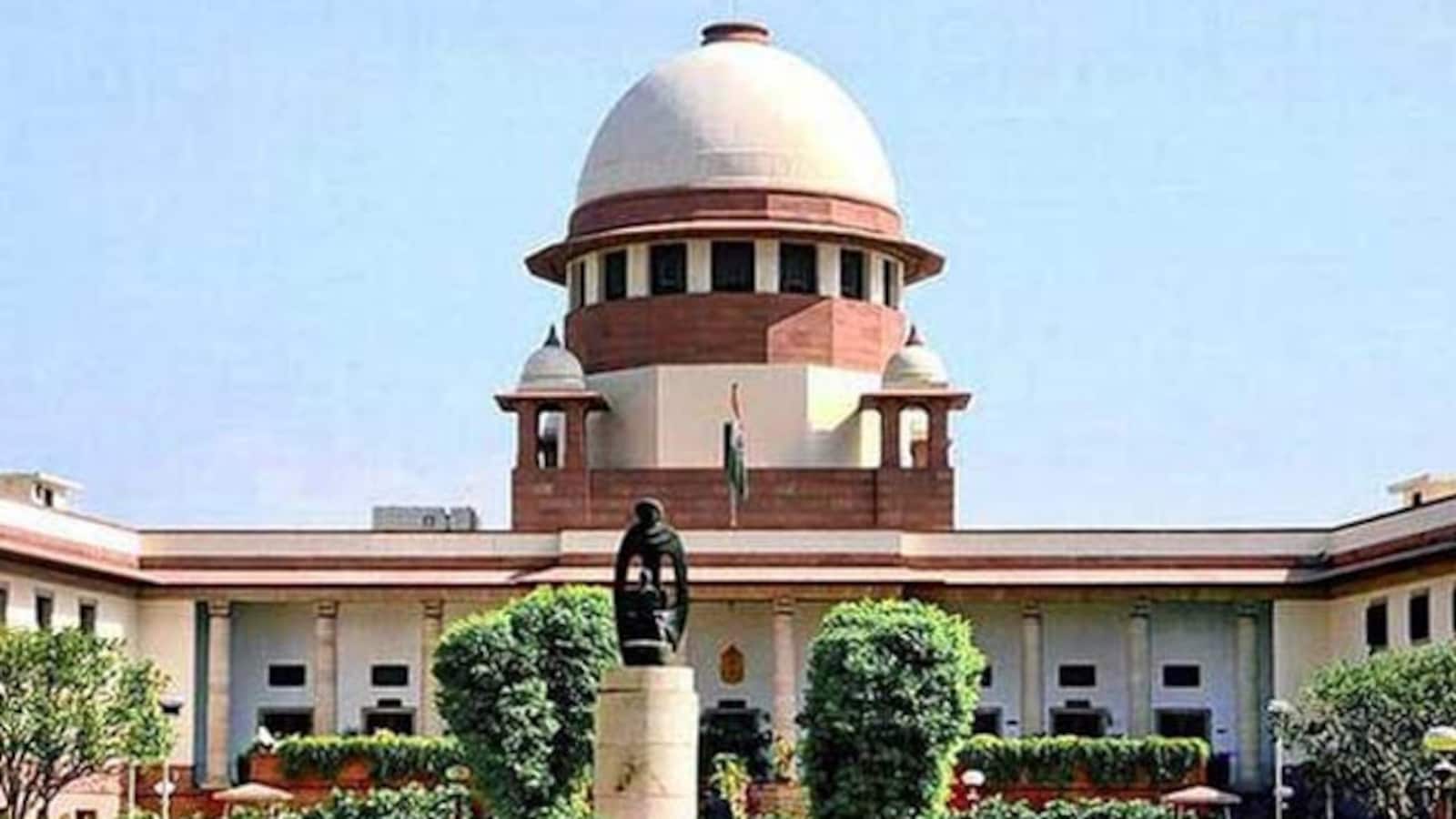
The Supreme Court is the highest court in India, like the head judge of the country.
It made an important decision about jobs.
A man named Shatrughan Yadav lost his job at a company called Fertilizers and Chemicals Travancore Ltd.
The company fired him because he did not tell them about an old police case.
But the court found that Mr. Yadav did not even know about the case.
The judges said you cannot hide something you do not know about.
They also said companies cannot just fire workers automatically.
The company must think carefully and check all the facts first.
So the court gave Mr. Yadav his job back.
He will also get half of the pay he missed, within eight weeks.

The Supreme Court ruled that termination orders for not disclosing criminal antecedents must not be mechanical and the employer must apply its mind.
The Court restored the job of Shatrughan Yadav, who was terminated by Fertilizers and Chemicals Travancore Ltd for not disclosing a non-cognizable offence case.
The employer's inquiry must be two-pronged: verify the truth of any suppression and weigh the type of offence, nature of employment and case outcome.
The Court held that knowledge is a prerequisite for suppression, and a bare plea of ignorance without reliable material will not suffice.
The Court ordered Yadav's reinstatement with all consequential benefits, with backwages restricted to 50 per cent payable within eight weeks.
- Who
- Shatrughan Yadav, an employee terminated by Fertilizers and Chemicals Travancore Ltd, and a Supreme Court bench of Justices Sanjay Karol and AG Masih.
- What
- The Supreme Court held that termination for non-disclosure of criminal antecedents must not be mechanical and restored Yadav's job, ruling his termination was illegal and without application of mind.
- Where
- New Delhi, at the Supreme Court of India.
- When
- Tuesday, August 11.
- Why
- Because termination is not an automatic consequence of non-disclosure; knowledge is a prerequisite for suppression, and the employer must apply its mind to each case.
Employee Rights
Employer Verification
Automatic termination for non-disclosure
Employee Rights
Termination must not be an automatic consequence of non-disclosure; each employee's specific case, knowledge and circumstances must be considered, with the employer applying its mind before deciding.
Employer Verification
The requirement of disclosure in verification forms would be rendered illusory if candidates could easily escape liability, so employers need strict disclosure rules to assess a candidate's trustworthiness.
Burden of proving ignorance
Employee Rights
A candidate cannot be held liable for suppressing information that was never within his knowledge, and a bona fide claim of ignorance backed by documentary evidence should protect the employee.
Employer Verification
The onus must remain on the candidate to substantiate any claim of ignorance, since a bare plea of ignorance without cogent and reliable material should not suffice to escape liability.
Key facts
- Court
- Supreme Court of India
- Bench
- Justices Sanjay Karol and AG Masih
- Employee
- Shatrughan Yadav
- Employer
- Fertilizers and Chemicals Travancore Ltd
- Ground of termination
- Non-disclosure of a non-cognizable offence case
- Ruling
- Termination illegal and without application of mind
- Relief granted
- Reinstatement with consequential benefits; 50% backwages within eight weeks
- Location
- New Delhi
Quotes
Supreme Court bench
Sanjoy Karol and AG Masih, Justices of the Supreme Court
“The order of termination must not be mechanical but must have regard to the form of suppression, the outcome of the criminal case, the nature of the employment and of the offence, and any special circumstances.”
 theprint.in
“It is only where both these stages of enquiries are undertaken and not otherwise, that an order of termination on this ground can be said to be sustainable in law.”
theprint.in
Sources
Related news

Supreme Court Upholds Discharge of RPF Personnel Over Concealed Cases

Indore High Court Acquits Former Official in Corruption Case

Delhi Court Frames Charges Against Ex-ACP Over Passport Information

Delhi High Court reinstates probationary teacher fired without inquiry
Supreme Court Sets Limits for Abetment of Suicide Claims

PUCL Urges CJI Action Over Rajasthan High Court Allegations

Supreme Court Questions IPS Deputation for CAPF Leadership Positions
Supreme Court Quashes 20-Year Conviction, Reaffirms Juvenile Legal Protections

Two Years After RG Kar Doctor's Rape-Murder, Case Remains Unresolved

ED widens Chhattisgarh probes with two arrests and searches