1 week ago
Study Links Daily Coffee With Lower Fat, Greater Muscle Mass
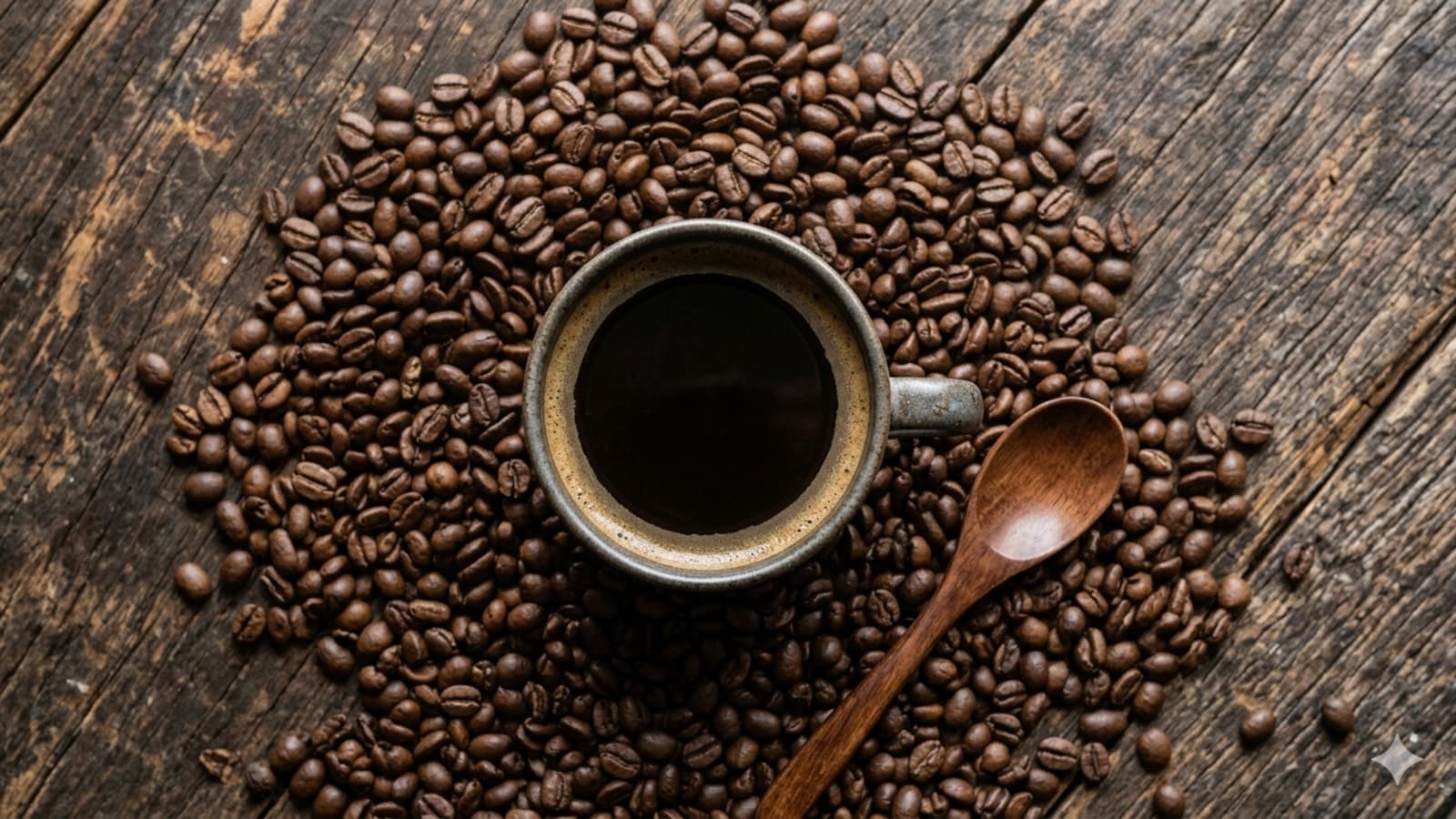
Researchers studied adults who drank different amounts of coffee.
People who drank more coffee generally had less body fat, including fat around their organs.
They also had more skeletal muscle.
Their BMI was about the same as that of people who drank less coffee.
The heavier coffee drinkers had lower levels of some blood substances linked to diabetes risk.
Coffee drinking was also connected with differences in sex hormones, especially in men.
However, the study only compared people at one point in time.
This means it cannot prove that coffee caused people to lose fat or gain muscle.
Coffee should not be treated as a replacement for exercise, healthy eating, or medical advice.

Researchers analyzed 2,264 46-year-old adults from the Northern Finland Birth Cohort 1966.
Higher coffee intake was associated with lower total and visceral fat and greater skeletal muscle mass.
These body-composition differences appeared despite broadly similar BMI across coffee-consumption groups.
Higher coffee consumption was linked to lower circulating branched-chain amino acids and altered glucose-insulin measures.
The cross-sectional study found associations, but did not prove coffee caused fat loss or muscle gain.
- Who
- Researchers from the University of Oulu analyzed 2,264 adults aged 46 from the Northern Finland Birth Cohort 1966.
- What
- The study examined associations between coffee consumption, body composition, metabolic blood markers, glucose and insulin measures, and sex hormones.
- Where
- The study involved participants from the Northern Finland Birth Cohort 1966.
- When
- The article does not specify when the measurements were collected; the data were assessed at a particular point in time.
- Why
- Researchers sought to better understand how habitual coffee consumption relates to metabolism, body composition, and hormones.
Key facts
- Sample size
- 2,264 adults
- Participant age
- 46 years
- Study institution
- University of Oulu
- Publication
- European Journal of Nutrition
- Body-composition associations
- Lower body fat, lower visceral fat, and greater skeletal muscle mass among higher coffee consumers
- Metabolic associations
- Lower circulating branched-chain amino acids, including leucine, isoleucine, and valine
- Study limitation
- The cross-sectional design shows associations but does not establish causation
Quotes
Luca Verroest
Lead author and doctoral researcher at the University of Oulu
“Coffee is consumed by millions of people every day, yet we still know surprisingly little about how it relates to our metabolism and hormones. What stood out in our findings was a distinct hormonal signature that didn't disappear even after we took into account BMI and lifestyle factors, with several of these associations differing between men and women.”
 NDTV
NDTV
Sources
Related news

Avoid the Afternoon Crash: Five Morning Coffee Mistakes

Thin Outside, Fat Inside: Visceral Fat Can Hide Health Risks

Five Signs You Are Losing Body Fat, Not Just Weight

Brewing Trouble: Coffee Can Ease or Trigger Migraine, Experts Say

TOFA Offers a Fat-Burning Alternative to Appetite-Suppressing Drugs