1 week ago
AI Image Generators Reshape Creativity, Human Judgment Remains Essential
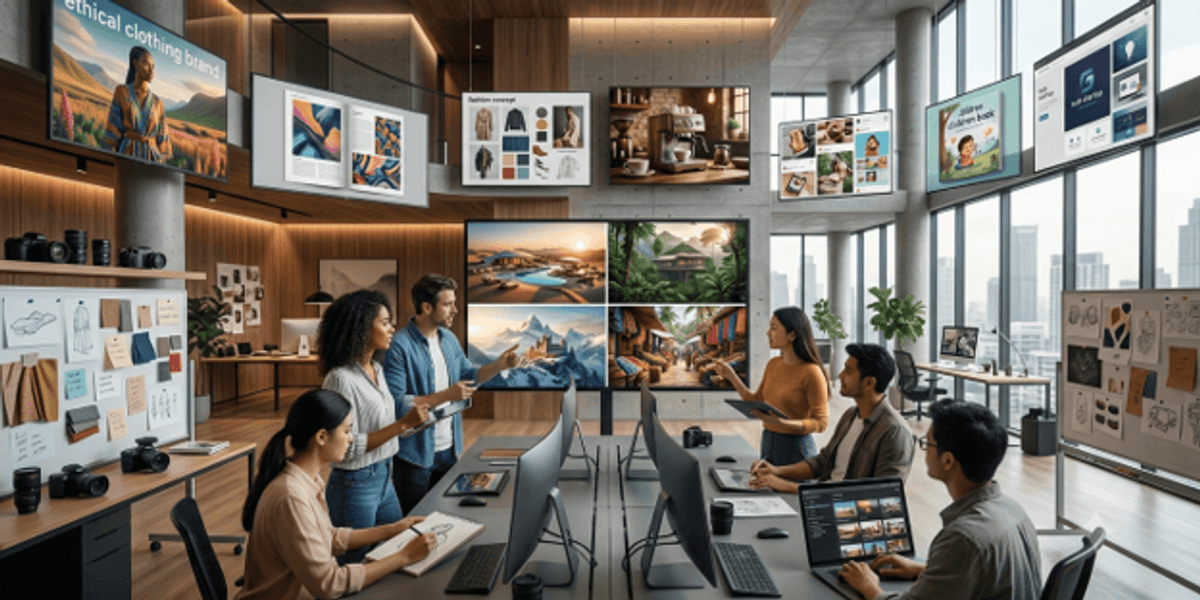
AI image generators let people describe a picture with words and quickly see possible versions of it.
They can help creators start projects and try different ideas.
Businesses may use them to test advertising or product concepts before spending money on full production.
Independent artists can use them when they do not have a large creative team.
However, the first picture made by AI may contain mistakes or unwanted details.
People still need to choose, edit and improve the results.
Realistic AI images can also confuse audiences, especially when they are used with news or real-world events.
Copyright rules and ownership questions are still being debated, so users need to check how each service allows its images to be used.

AI image tools are becoming more visible across media, marketing, publishing, entertainment and social platforms.
Creators can use written prompts to explore visual concepts, styles, compositions and campaign directions quickly.
The tools may support brainstorming and early production without replacing human selection, editing or creative direction.
Generated images raise concerns about originality, copyright, ownership, authenticity and misleading audiences.
Higgsfield is presented as one platform in the broader shift toward accessible, AI-assisted creative workflows.
- Who
- Creators, businesses, designers, publishers and independent artists are exploring AI image generators, including Higgsfield.
- What
- AI image-generation tools are becoming part of digital creative workflows for brainstorming, visual experimentation and early-stage production.
- Where
- Across online media, marketing, publishing, entertainment, social platforms and other digital creative workflows.
- When
- The article describes an ongoing development in the current digital creative industry; no specific date is provided.
- Why
- Rising demand for visual content is encouraging users to find faster, more flexible and accessible ways to develop visual ideas.
Creative Opportunities
Creative Concerns
Speed and accessibility
Creative Opportunities
AI image generators can shorten the distance between a written idea and a visual draft, helping smaller teams and people with limited design resources.
Creative Concerns
Faster generation can encourage large quantities of interchangeable content and does not guarantee stronger or more meaningful creative work.
Role of human creators
Creative Opportunities
The tools can act as assistants that expand brainstorming, reveal unexpected ideas and support hybrid workflows combining AI with traditional methods.
Creative Concerns
The technology raises concerns that automation could diminish the perceived importance of artists and designers, particularly if generated results are accepted without careful judgment.
Authenticity and responsible use
Creative Opportunities
Generated images can be appropriate for illustrations, concept development and creative features when their purpose is clear.
Creative Concerns
Realistic generated images may be mistaken for photographs or evidence, especially in journalism and coverage of real-world events, making transparency and labeling important.
Key facts
- Main technology
- AI image generators create visual concepts from written descriptions or prompts.
- Featured platform
- Higgsfield is described as a platform for experimenting with generated imagery.
- Creative uses
- Potential uses include mood boards, campaign concepts, editorial illustrations and social media ideas.
- Human role
- Creators remain responsible for selecting, editing, refining and directing the final visual.
- Business value
- Companies may use generated visuals to compare campaign directions before committing to full production.
- Key concerns
- The article identifies originality, copyright, ownership, authenticity and misleading imagery as ongoing issues.
- Industry development
- Adobe Firefly and Microsoft's Copilot 3D are cited as examples of wider AI-assisted creative tools.
Sources
Related news
How Generative AI Is Democratising Creativity for India's Generation
Google launches AI-powered Pics design tool for everyday creators

Adobe Report Finds AI Boosts Confidence Among Indian Creators
Why Social Media Visuals Look Similar Despite AI's Speed
Readers Debate AI Content Rights and National Identity
Discovr AI Launches Platform Targeting $25 Million Creator Spend
Kerala Teen Leads AI Startup While Paying Father ₹2 Lakh

Adobe Offers Free Software to Students Across Seven States
India’s Teenage AI Founder Pays Father Rs 2 Lakh Monthly