

1 week ago
When Selling Personal Items Triggers Capital Gains Tax

Most things you use every day can usually be sold without paying tax on the sale.
Examples include clothes, furniture, utensils, cars, scooters and phones.
However, special items such as jewellery and artwork are treated differently.
If you sell one of these items for more than it cost, the profit may be taxable.
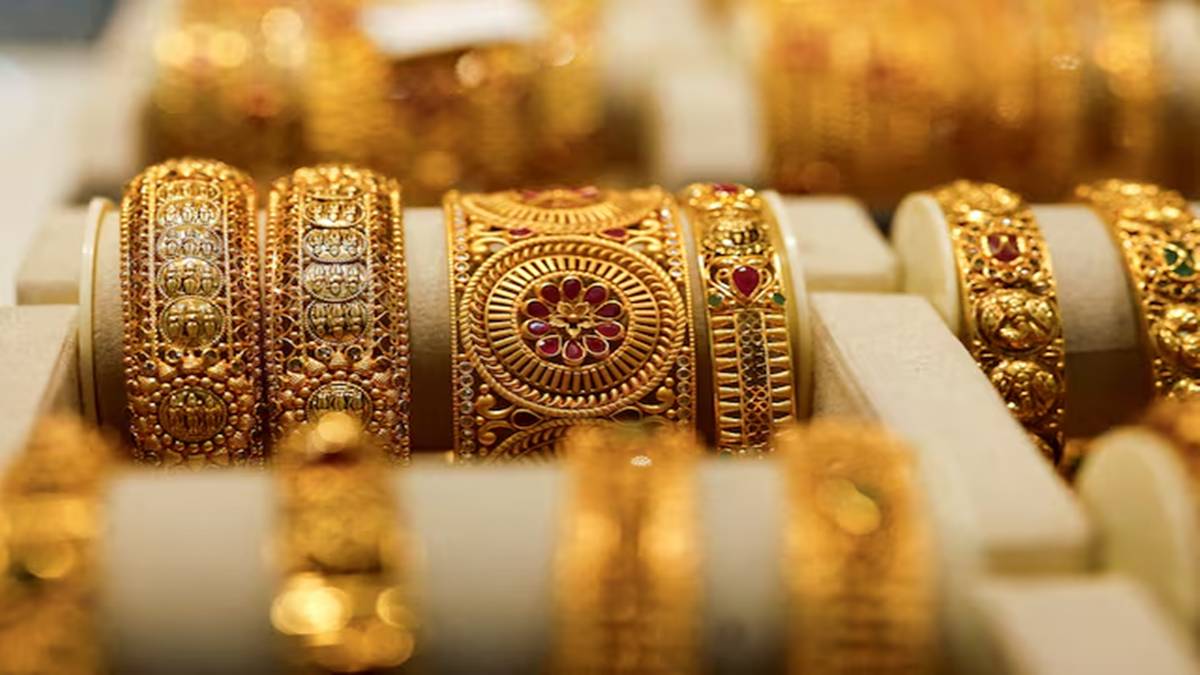
Jewellery includes items made with precious metals or precious and semiprecious stones.
An ordinary item can also become taxable if it contains these precious materials.
Tax is charged on the profit, not the entire amount received from the buyer.
If jewellery was inherited or gifted, the earlier owner’s cost and ownership period may be considered.
Losses from selling personal items generally cannot be used to reduce other income or carried forward.

Personal-use items such as clothing, furniture, utensils, cars, scooters and daily-use electronics are generally exempt from tax when sold.
Jewellery, archaeological collections, drawings, paintings, sculptures and other works of art are taxable if sold for a profit.
Jewellery includes ornaments made from precious metals, their alloys, and precious or semiprecious stones.
Furniture, utensils or clothing containing precious metals or stones may also be treated as jewellery and become taxable.
Tax applies to the profit rather than the full sale amount, while losses on exempt personal effects cannot be deducted or carried forward.
- Who
- Individuals and taxpayers selling movable personal belongings.
- What
- The article explains which personal belongings are exempt from tax and which sales may create taxable capital gains.
- Where
- When
- When the belongings are sold for a profit.
- Why
- Income tax rules exempt many personal effects but specifically exclude jewellery, artwork and certain other valuable items.
Key facts
- Generally tax-exempt items
- Clothing and apparel, furniture, crockery or utensils, cars, scooters, mobile phones and laptops used personally.
- Taxable personal items
- Jewellery, archaeological collections, drawings, paintings, sculptures and other works of art.
- Jewellery definition
- Ornaments made from silver, gold, platinum or other precious metals, related alloys, and precious or semiprecious stones.
- Taxable amount
- Tax is calculated on the profit or capital gain, not the full sale proceeds.
- Inherited or gifted jewellery
- The previous owner’s acquisition cost and holding period may be considered under income tax rules.
- Example
- Jewellery bought for ₹2 lakh and later exchanged at ₹4 lakh may produce a taxable ₹2 lakh gain.
- Losses
- Losses on exempt personal effects cannot be set off against other capital gains or income and cannot be carried forward.
Sources
Related news

Buying New Gold Does Not Automatically Erase Old Gold Tax
Income Tax Queries: Jewellery Sale Profits Attract Capital Gains Tax
Nagpur ITAT Clears Jewellery Addition After Tax Search

Gold Above Common Limits: Ownership, Seizure and Safe Storage Explained

Radhika Gupta Explains What Actually Counts As An Investment
