2 weeks ago
Don't Let Excess Savings Idle: Inflation Quietly Shrinks Your Wealth

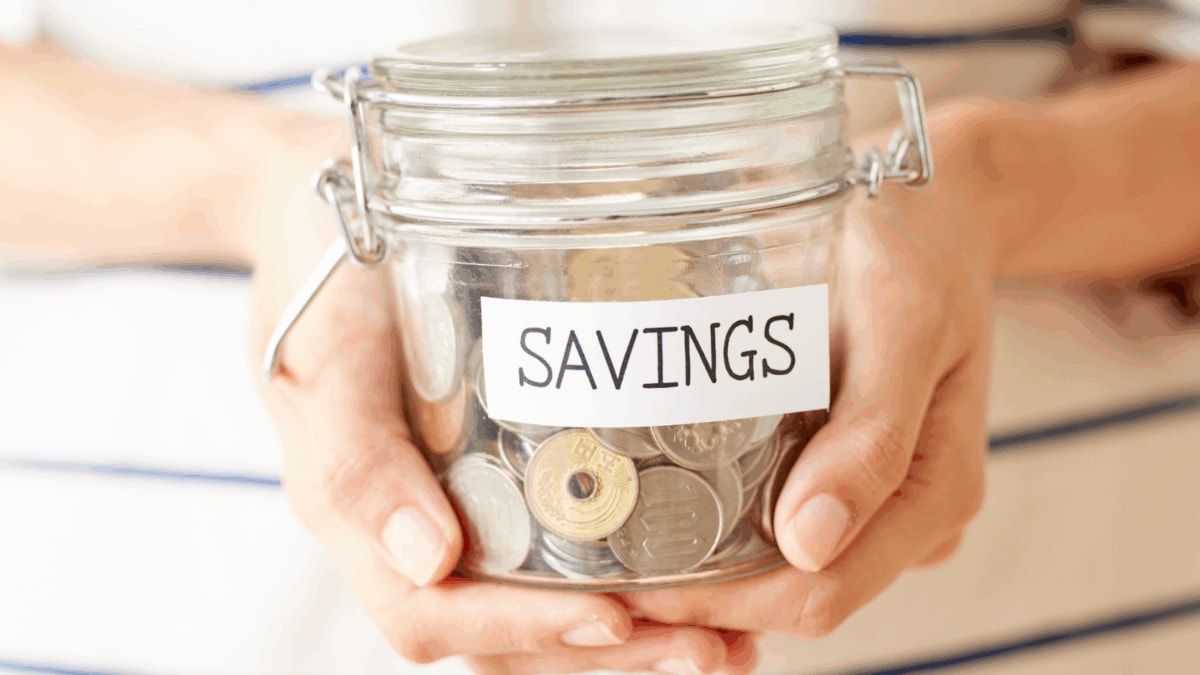
Imagine you keep your pocket money in a piggy bank.
It is safe there, but it does not grow much.
Banks pay you a little interest, usually around 2.5 to 4 percent in India.
Meanwhile, the cost of toys, food, and other things goes up over time.
That is called inflation.
When prices rise, your saved money buys fewer things than before.
Experts say you should keep about six months of family expenses easily available for emergencies.
Extra money that you will not need soon can be put into growth options, like fixed deposits or mutual funds.
That way, your money works harder and keeps its value.
It is still smart to keep some cash close for sudden needs.

Indian savings accounts typically offer modest annual returns of between 2.5% and 4%.
Because these interest rates rarely outpace inflation, idle cash such as ₹5 lakh loses purchasing power over time.
Financial planners recommend keeping a liquid emergency reserve equal to roughly six months of vital family expenses.
Single-earner households or families with variable income may warrant a larger emergency buffer.
Surplus funds beyond the safety cushion should be invested in products such as fixed deposits, recurring deposits, or mutual funds.
- Who
- Individual savers in India, along with financial planners who advise holding a roughly six-month emergency reserve.
- What
- Advice to avoid letting excess cash sit idle in low-yield savings accounts, since inflation erodes its purchasing power, and to invest surplus funds instead.
- Where
- India, where savings accounts typically pay returns between 2.5% and 4%.
- When
- Not explicitly stated; presented as ongoing general financial guidance.
- Why
- Savings account interest rates rarely outpace inflation, so large unallocated balances quietly lose real value over time.
Key facts
- Typical savings account returns (India)
- 2.5% to 4% annually
- Example idle sum mentioned
- ₹5 lakh
- Recommended emergency fund
- Roughly six months of vital family expenses
- When a larger buffer is advised
- Single-earner households or variable income situations
- Suggested investment options
- Fixed deposits, recurring deposits, debt or equity mutual funds
- Key risk of idle savings
- Purchasing power is eroded by inflation over time
Sources
Related news

What Happens if Cash Deposits Cross the Savings Account Limit

Multiple Bank Accounts May Help Build Better Monthly Saving Habits
Saving and Investing Regularly? Seven Money Mistakes to Avoid

How Rs. 50 Lakh Can Grow Into Rs. 1 Crore

RBI Advises Checking Old Bank Accounts for Inactive Status

Which Post Office Savings Scheme Saves the Most Tax?

₹10,000 Monthly SIP vs ₹10 Lakh FD: 15-Year Wealth Comparison

FD and KVP tax rules: TDS, taxable interest, key differences

Delhi Launches Lakshmi Yojana: ₹2,500 Monthly Aid for Women