1 week ago
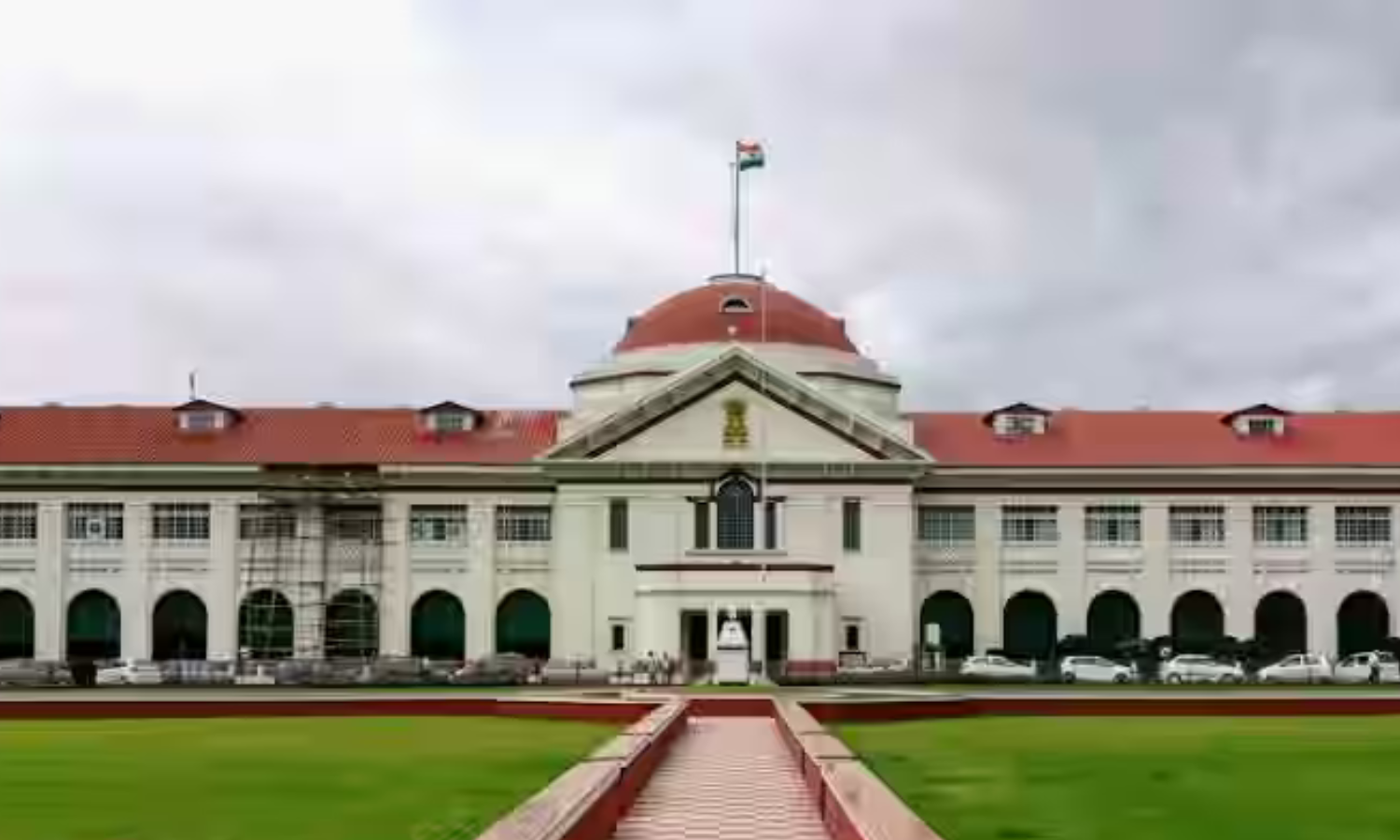
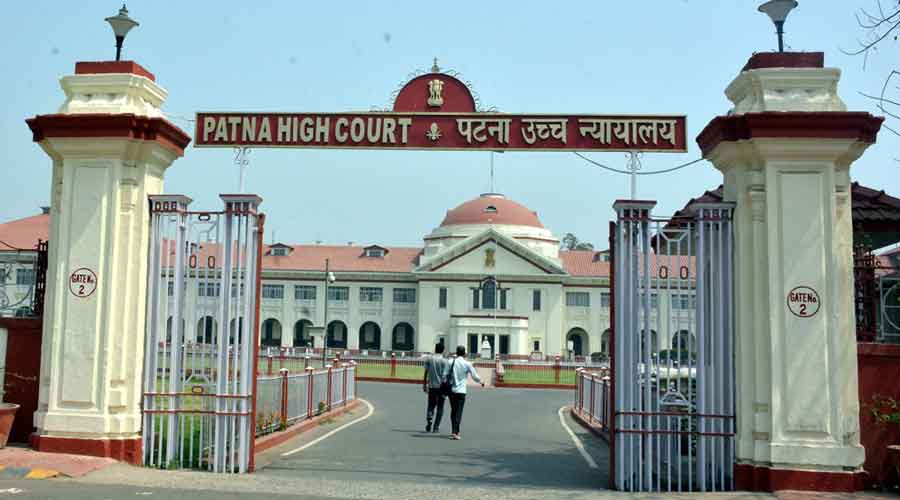
Patna High Court Upholds Limits on Mahabiri Julus Participation
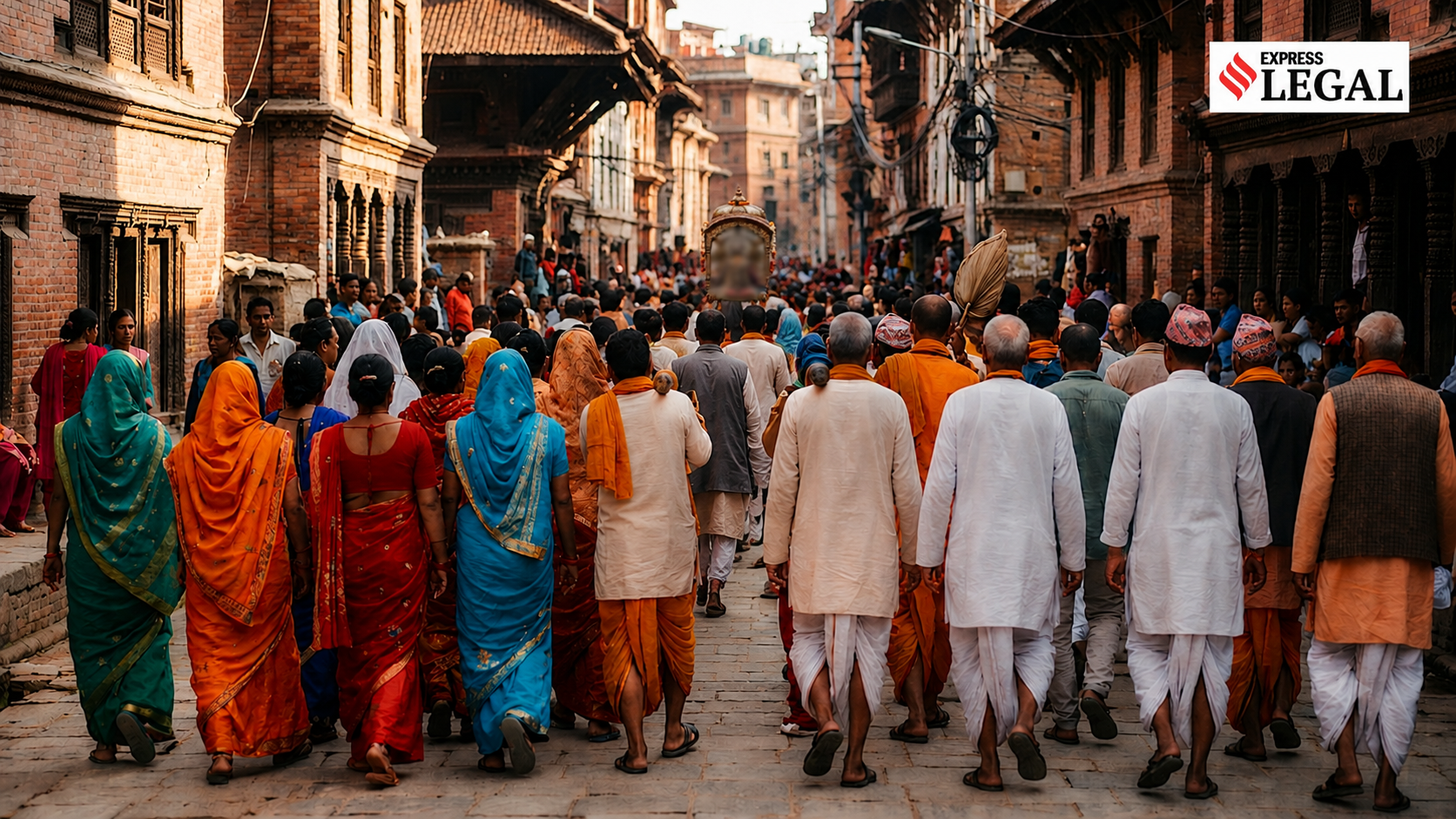
A group wanted at least 300 people to join a religious procession in Siwan, Bihar.
They also wanted to use the procession’s traditional route.
Officials had reduced the permitted number of participants to five and changed the route.
The group said these restrictions unfairly interfered with religious freedom.
The state said very large crowds had ignored earlier limits and that violence occurred during the 2024 procession.
The Patna High Court said people have the right to practise their religion.
However, that right can have reasonable limits when needed to protect public peace, health and other people’s rights.
The court said future limits should depend on the law-and-order situation when permission is requested.

The Patna High Court dismissed a plea seeking permission for at least 300 devotees to join the Mahabiri Julus in Siwan.
The petitioner challenged attendance limits that fell from 200 in 2012 and 2013 to five from 2023, along with a route change.
The state said the restrictions were security measures after 1,700 to 2,000 people attended between 2015 and 2022 despite permission for five.
The state alleged that the 2024 procession involved stone-pelting at police and the burning of a Block Development Officer’s government vehicle.
Justice Alok Kumar ruled that religious freedoms under Articles 19(1)(b), 25 and 26 are subject to public order, morality, health and societal norms.
- Who
- A devotee of Akhara No. 1, state authorities and the Patna High Court, with Justice Alok Kumar issuing the judgment.
- What
- The court dismissed a request to permit at least 300 devotees to join the Mahabiri Julus on its traditional route.
- Where
- Hathaura village, under Husainganj police station in Siwan district, Bihar.
- When
- The judgment was issued on August 20; reports were published on August 22, and the procession was expected in September.
- Why
- The court held that religious-procession rights are subject to reasonable restrictions intended to protect public order, health, societal norms and social peace.
Devotee’s position
State and court’s position
Participation limits
Devotee’s position
The petitioner argued that reducing attendance from 200 to five was arbitrary and violated religious freedom, and sought permission for at least 300 devotees.
State and court’s position
The state said the limits were security-driven because crowds greatly exceeded permitted numbers and led to criminal cases and alleged violence.
Traditional route
Devotee’s position
The petitioner said the customary route had not been linked to any reported breach of peace and should remain available.
State and court’s position
The court said authorities may regulate procession routes and activities when necessary to protect public tranquillity, health and welfare, particularly in residential areas.
Equal treatment
Devotee’s position
The petitioner alleged discrimination by pointing to a police recommendation for a 1,000-person Tazia procession on the same route.
State and court’s position
The state denied discrimination, describing the restrictions as a considered measure based on police verification; the court stressed that the state must remain neutral toward all religions.
Key facts
- Court
- Patna High Court
- Judge
- Justice Alok Kumar
- Procession
- Mahabiri Julus, an annual procession held on the 11th day of Bhadrapad Krishna Paksha
- Requested participation
- At least 300 devotees
- Participation limits
- The permitted number fell from 200 in 2012 and 2013 to 150 in 2014, 100 in 2015 and five from 2023 onward.
- Constitutional provisions
- Articles 19(1)(b), 25 and 26 were considered.
- State’s account
- The state said 1,700 to 2,000 people attended between 2015 and 2022 despite a sanctioned strength of five, and alleged violence during the 2024 procession.
Quotes
Justice Alok Kumar
Patna High Court judge who authored the order
“While the right to profess and practice religion – including taking out religious processions – is protected under Articles 19(1)(b) and 25 of the Constitution, this right is not absolute. The constitutional protection extends only to what is essential and integral to the religious practice, not to every mode or manner of its exercise.”
 indianexpress.com
 deccanchronicle.com
“The reasonable restrictions denotes legal limits on individual rights and freedom by the state to balance personal liberty with collective public welfare, national security, and social order. Hence, no Constitutional right is absolute; unchecked freedom can cause great harm to society at large.”
indianexpress.com
Sources
Religion not above ‘public order’: Patna High Court denies plea for 300-devotee procession
Religion Practice Subject to Reasonable Restrictions for Public Order: Patna HC
Patna High Court says religious practise is subject to public order, reasonable restrictions - Telegraph India

Right to practice religion subject to reasonable restrictions in interest of public order: Patna HC
Related news

Karnataka HC Allows Mysuru Torchlight March on Independence Day Eve

Karnataka High Court Protects Independence Day Procession Rights

Orissa High Court upholds cancellation of BAMCEF, BMM conventions
Supreme Court defers challenge to Bodh Gaya Temple Act management

Supreme Court to Hear Plea on Protests Disrupting Essential Services
Bihar on Alert as Rivers Swell, Sone Barrage Gates Open

Bihar Launches Doorstep Screening, Digital Health Records for Citizens

LJP Seeks Stronger Security for Chirag Paswan After Threat
Bihar Accelerates Manuscript Digitisation Under Gyan Bharatam Mission

Bihar Postpones BPSC Exams, Announces Single-Test Pattern Amid Protests