1 hr ago
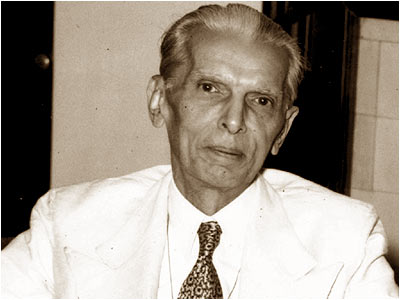
Bangladesh Reopens Debate Over Jinnah’s Place in History

A museum at Dhaka University displayed pictures and a newspaper article about Muhammad Ali Jinnah.
Jinnah helped create Pakistan, but Bangladesh later fought a war to become independent from Pakistan.
Some people say the museum was simply showing important history.
Others say displaying Jinnah is offensive because he supported making Urdu Pakistan’s state language.
Bengali students opposed that policy, helping create the Language Movement.
The disagreement has become stronger since Sheikh Hasina’s government fell in 2024.
Some people now want Bangladesh’s history to include the Muslim political movement that came before Pakistan.
Others worry this could turn Jinnah into a political hero instead of treating him as a complicated historical figure.
The argument is really about how Bangladesh should understand its national identity.

A renovated Dhaka University museum displayed three historical items involving Muhammad Ali Jinnah, including his 1948 speech supporting Urdu as Pakistan’s state language.
Abu Tayeb Habildar tore down the displays, saying they insulted the Language Movement and Liberation War.
DUCSU officials said the materials were historical documents, not an endorsement of Jinnah or his language policy.
The controversy reflects a broader post-2024 debate over whether Bangladesh’s national story should begin with 1947, rather than primarily with the Language Movement and 1971.
Critics argue that studying Jinnah’s historical role is necessary, but making him a symbol of contemporary Bangladeshi nationalism ignores his conflicts with Bengali language activists and differences with Islamist thinker Abul Ala Maududi.
- Who
- Dhaka University students, DUCSU officials, political groups, and other Bangladeshis are debating Muhammad Ali Jinnah’s place in national history.
- What
- A museum display about Jinnah was vandalized, prompting a wider dispute over whether he should be studied as part of Bangladesh’s history or rehabilitated as a modern national symbol.
- Where
- The incident occurred at the Dhaka University Central Students’ Union museum in Dhaka, Bangladesh.
- When
- The museum reopened this month; the displays were torn down on Monday. The broader debate intensified after the 2024 uprising, alongside developments in 2025 and 2026.
- Why
- The dispute concerns Jinnah’s role in the creation of Pakistan, his support for Urdu as its state language, and competing versions of Bangladesh’s political and national history.
Historical Study
Political Rehabilitation
Meaning of the museum display
Historical Study
DUCSU officials say the photographs and newspaper clipping document important events and do not celebrate Jinnah or endorse his Urdu policy.
Political Rehabilitation
Critics say displaying Jinnah, especially in connection with his 1948 language policy, can appear to honor a leader associated with suppressing Bengali linguistic aspirations.
Bangladesh’s historical starting point
Historical Study
Supporters of a broader historical account say Bangladesh’s story must include Bengali Muslim participation in the Pakistan movement, the 1940 Lahore Resolution, and the 1947 creation of Pakistan.
Political Rehabilitation
Others emphasize the Language Movement, Bengali political struggles, and the 1971 Liberation War, warning that elevating 1947 and Jinnah could weaken the centrality of Bangladesh’s independence struggle.
Jinnah as a contemporary symbol
Historical Study
Some post-2024 political and cultural groups argue that Jinnah’s legacy can help build a form of Bangladeshi nationalism distinct from the Awami League’s historical narrative.
Political Rehabilitation
Critics argue that Jinnah should be studied historically but not recruited as the patron of modern Bangladeshi nationalism, particularly because his language policy conflicted with Bengali movements.
Key facts
- Museum
- Dhaka University Central Students’ Union museum
- Displayed materials
- A 1970 newspaper clipping, a 1940 Lahore session photograph, and a 1948 photograph of Jinnah speaking in Dhaka
- Vandalism
- Former Dhaka University Urdu student Abu Tayeb Habildar tore down the Jinnah displays
- DUCSU election
- Candidates backed by Islami Chhatra Shibir won 23 of 28 central posts in the 2025 election
- Jamaat-e-Islami representation
- Jamaat-e-Islami won 68 parliamentary seats in the February election, while its wider alliance won 77
- Historical dispute
- Jinnah supported Urdu as Pakistan’s state language, while the Language Movement demanded official recognition for Bengali
- Broader context
- The controversy follows a post-2024 effort by some political actors to place 1947 and Muslim political identity more centrally in Bangladesh’s national story
Sources
Related news
Dhaka University Probes Jinnah Photo Display After Student Backlash
Sheikh Hasina Plans Bangladesh Return, Citing Democratic Responsibility
Analyst urges Bangladesh to protect rights and political inclusion
Delhi Discussion Reclaims Kazi Nazrul Islam’s Syncretic Legacy
BJP Congress Clash Escalates Over Vande Mataram Stanzas

Hasina Condemns 2004 Dhaka Grenade Attack as Shameful Chapter
India Bangladesh Envoys Discuss Education Technology and Deeper Ties

Supreme Court Agrees to Hear Plea Over Woman’s Deportation
Pakistan Inflation Hits World’s Fastest Acceleration Amid Economic Pressure
Opinion Warns of Hindu Persecution and Historical Amnesia