16 hrs ago
Enforcement Directorate Targets Insolvency Frauds and Deep Haircuts
India’s Enforcement Directorate is looking more closely at possible cheating during company insolvency cases.
Insolvency is a process for dealing with companies that cannot pay their debts.
The agency is especially concerned when creditors receive very little money and former owners may regain the company.
It says some people may have bypassed rules, inflated claims or influenced creditor committees.
The agency will also study how insolvency protections interact with money-laundering investigations.
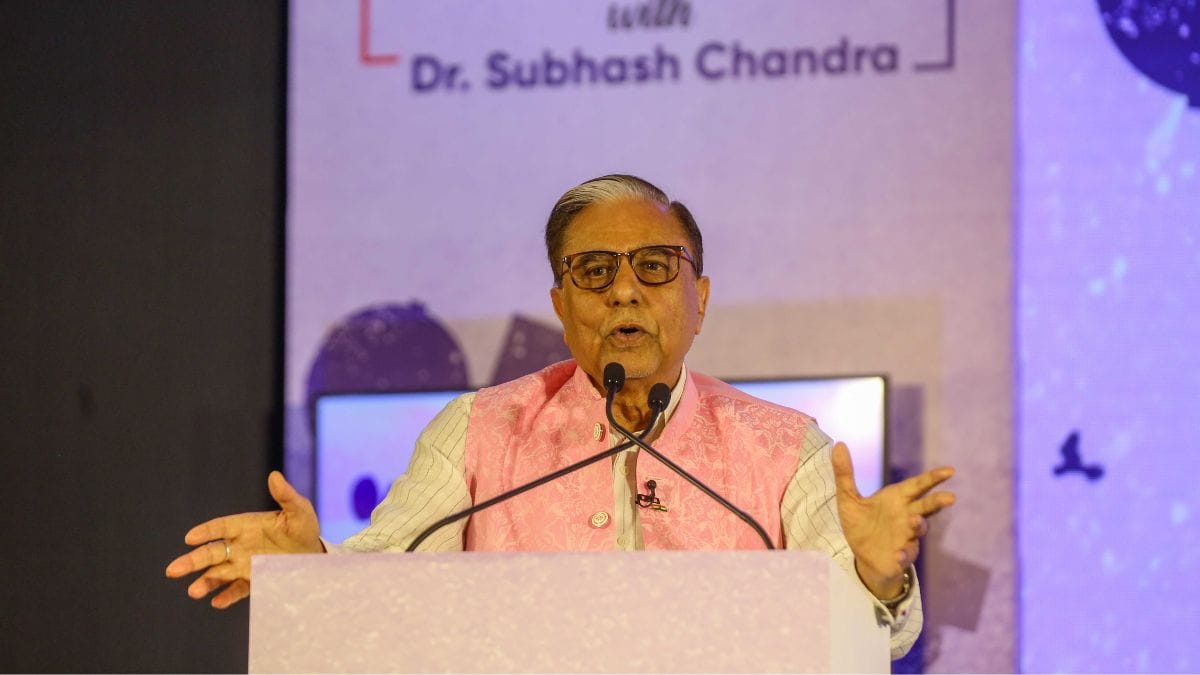
In one case, Subhash Chandra was allowed to settle claims of more than Rs 22,000 crore by paying Rs 6.25 crore, but that order was later stayed.
In another case involving Alchemist Limited, the tribunal ended the insolvency process after the Enforcement Directorate alleged it was being misused.
The government says insolvency law is mainly meant to rescue companies, while banks are concerned about recovering more money.

The Enforcement Directorate identified fraud under the Insolvency and Bankruptcy Code and the Prevention of Money Laundering Act as a major focus.
It will examine cases involving unusually large creditor haircuts and possible promoter efforts to regain control of assets.
The agency cited alleged abuses including bypassing Section 29A, inflated related-party claims, Committee of Creditors manipulation and asset stripping.
The National Company Law Tribunal temporarily stayed Subhash Chandra’s settlement of personal insolvency claims after he offered Rs 6.25 crore against admitted claims of Rs 22,006.57 crore.
The Enforcement Directorate also intervened in the Alchemist Limited insolvency case, which the tribunal later terminated after citing alleged misuse of the process.
- Who
- The Enforcement Directorate, the National Company Law Tribunal, creditors, promoters and companies undergoing insolvency proceedings.
- What
- The Enforcement Directorate announced a focus on suspected Insolvency and Bankruptcy Code fraud, disproportionate haircuts and misuse of insolvency protections.
- Where
- The conference was held at the Indian Institute of Management in Bengaluru, while the cited proceedings took place before the National Company Law Tribunal.
- When
- The agency announced the priorities at its 36th Quarterly Conference of Zonal Officers on September 14-15; the Subhash Chandra settlement was stayed on September 1.
- Why
- The agency says insolvency procedures may be used to evade prosecution, siphon funds, regain control of assets or obtain immunity under money-laundering law.
Resolution and Insolvency Protections
Recovery and Enforcement Concerns
Primary purpose of the insolvency code
Resolution and Insolvency Protections
The government maintains that the Insolvency and Bankruptcy Code is primarily intended to resolve and revive distressed companies, not simply maximize immediate recovery.
Recovery and Enforcement Concerns
Banks and enforcement authorities argue that weak asset valuation, opaque processes and very large haircuts can reduce creditor recoveries and enable abuse.
Use of insolvency protections
Resolution and Insolvency Protections
The Insolvency and Bankruptcy Code provides a moratorium under Section 14 and immunity for eligible company assets under Section 32A after an unrelated buyer takes over.
Recovery and Enforcement Concerns
The Enforcement Directorate says parties may use these provisions to evade criminal liability, frustrate money-laundering investigations or channel proceeds through insolvency proceedings.
Promoter participation in resolution
Resolution and Insolvency Protections
A resolution process can transfer distressed assets through a formal legal mechanism and is intended to preserve company value.
Recovery and Enforcement Concerns
The Enforcement Directorate is examining allegations that defaulting promoters or related parties bypass restrictions, manipulate creditors and effectively regain assets through resolution plans.
Key facts
- Enforcement Directorate focus
- Investigating suspected fraud under the Insolvency and Bankruptcy Code and the Prevention of Money Laundering Act.
- Reported recoveries
- Creditors recovered Rs 2.47 lakh crore from 1,077 resolved cases between FY2021-22 and FY2025-26, averaging about 29% of admitted claims.
- FY2025-26 recovery
- Recovery fell to 20%, compared with 37% in FY2024-25, according to the article.
- Subhash Chandra settlement
- The National Company Law Tribunal approved a Rs 6.25 crore settlement against admitted claims of Rs 22,006.57 crore; a special bench later stayed the order.
- Alchemist Limited case
- The National Company Law Tribunal terminated the insolvency process on February 3 after the Enforcement Directorate intervened.
- Reported malpractice areas
- The agency cited possible circumvention of Section 29A, inflated related-party claims, Committee of Creditors manipulation, asset stripping and artificially large haircuts.
- Trial target
- The conference called for at least 10 high-profile cases in each region to reach trial conclusion and conviction within six to eight months.
Quotes
ED official
An Enforcement Directorate official discussing alleged misuse of insolvency proceedings
“It is a serious problem and often clashes with our investigations. Companies often take shelter under IBC to escape prosecution. There are instances where related parties have bought back the company through resolution process, effectively handing over the company to people who sunk it.”
 indianexpress.com
“Many cases were discussed. I cannot specifically tell which ones.”
indianexpress.com
Sources
Related news
Enforcement Directorate to Scrutinise IBC Cases With Large Haircuts
Subhash Chandra Insolvency Deal Intensifies Debate Over India’s IBC
Subhash Chandra Settlement Highlights India’s Deep Insolvency Haircuts
Subhash Chandra repayment case: why the massive haircut isn't scandal
IBBI Warns Against Misuse of Bankruptcy Resolution Process

ED Chief Rahul Navin Orders Crackdown on IBC Fraud
India Brings Back 274 Fugitives From 36 Countries
Supreme Court Reserves Verdict on Single-Member PMLA Attachments Authority