1 hr ago
Kerala High Court Rejects Pakistani Wife’s Visa Plea Despite Marriage
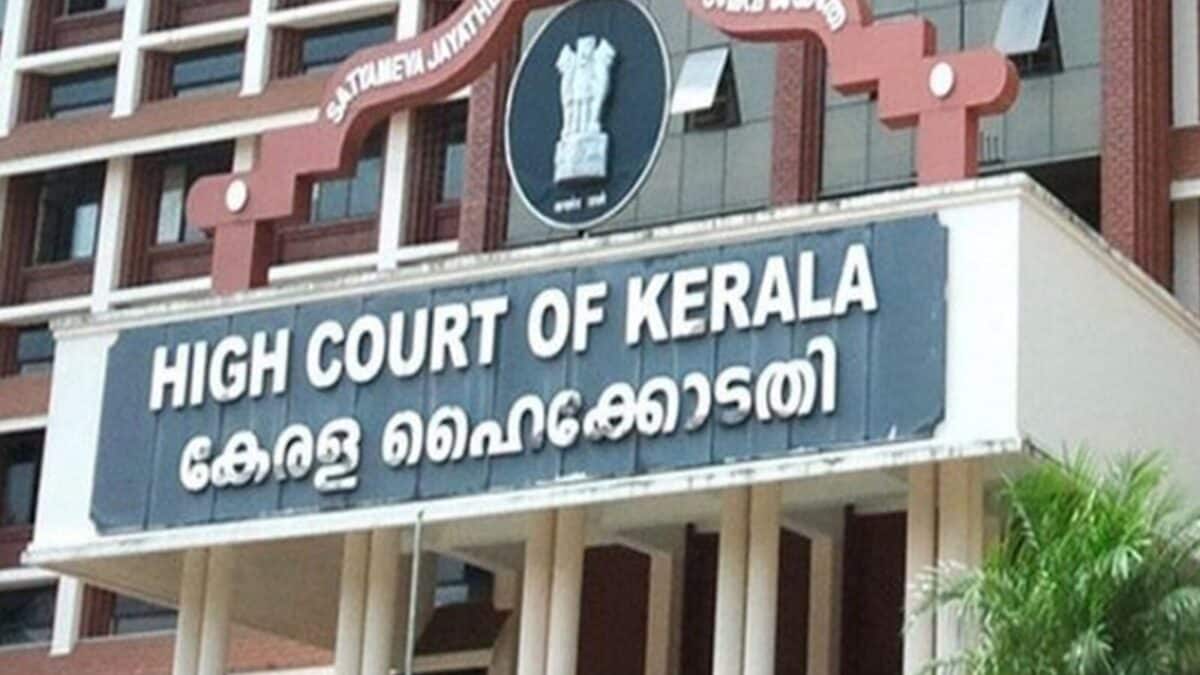
An Indian man and his Pakistani wife asked to let her enter India for a family wedding.
They said being married to an Indian citizen should allow her to apply for a visa.
The Kerala High Court disagreed and rejected their petition.
The court said marriage does not automatically give a foreign citizen the right to enter India.
It also said the central government controls visas and entry into the country.
Visa processing for Pakistani citizens had been suspended because of security concerns after terror incidents in April 2025.
The court explained that certain constitutional rights can be used by non-citizens who are already inside India.
However, people outside India cannot use those rights to demand entry.

The Kerala High Court ruled that marriage to an Indian citizen creates no inherent right to an Indian visa.
Justice Bechu Kurian Thomas dismissed a petition by an Indian man and his Pakistani wife seeking her entry into India.
The couple, married in Dubai, wanted the wife to attend her brother-in-law’s wedding in Kerala.
Visa services for Pakistani nationals were suspended after security concerns linked to terror incidents in Pahalgam in April 2025.
The court said constitutional protections cannot be used by foreign nationals outside India to demand entry or challenge immigration policy.
- Who
- An Indian man and his Pakistani wife filed the petition; Justice Bechu Kurian Thomas delivered the ruling, with the central government opposing the request.
- What
- The Kerala High Court dismissed the couple’s plea seeking an Indian visa and entry for the wife.
- Where
- The case was heard by the Kerala High Court, and the couple sought entry into India for a wedding in Kerala.
- When
- The ruling was reported on October 1, 2026; the visa suspension followed security concerns arising from April 2025 incidents.
- Why
- The court held that marriage to an Indian citizen does not create an enforceable right to a visa, while visa services for Pakistani nationals remained suspended under government security directives.
Petitioners’ Position
Government and Court’s Position
Visa eligibility through marriage
Petitioners’ Position
The couple argued that the Pakistani wife, as the spouse of an Indian citizen, should at least be allowed to submit an application and be considered under long-term visa frameworks.
Government and Court’s Position
The government and court said marriage does not create an inherent or legally enforceable right to an Indian visa.
Access to the application process
Petitioners’ Position
The petitioners argued that the lack of a functioning portal or processing channel for Pakistani passport holders unlawfully prevented even the submission of a visa application.
Government and Court’s Position
The government argued that while the suspension directive remained active, Pakistani nationals could not demand that applications be received, processed, or granted.
Constitutional protections
Petitioners’ Position
The petitioners relied on Articles 14 and 21 of the Indian Constitution to challenge the denial of access and entry.
Government and Court’s Position
The court said these protections may be invoked by non-citizens physically present in India, but people outside the country cannot use them to demand entry or challenge sovereign immigration decisions.
Key facts
- Court
- Kerala High Court
- Judge
- Justice Bechu Kurian Thomas
- Applicants
- An Indian man and his Pakistani wife
- Purpose of travel
- The wife sought to attend her brother-in-law’s wedding in Kerala
- Visa status
- Standard visa processing for Pakistani nationals was suspended
- Suspension basis
- Executive orders citing security concerns after April 2025 terror incidents in Pahalgam
- Legal framework
- Section 3 of the Foreigners Act, 1946, alongside updated immigration regulations
Sources
Related news

Pakistani Sikh Pilgrims Barred From Indirect Flight to India
Delhi Court Lets Seven Foreign Nationals Leave India Temporarily

‘Cleared SIR, Voted’: Woman Challenges Husband’s Detention Before Court

Allahabad High Court Upholds Adult’s Choice of Life Partner

Kerala High Court Opens Patent Path for Costly Drugs
Kerala High Court Quashes Case Over Accidental Saffron-Down Flag

Kerala High Court Backs Government Power on Cancer Drug Access

Anto Augustine Skips Questioning, Plans High Court FIR Challenge