3 weeks ago
Lindsay Clancy Case: Warning Signs in Postpartum Mental Health Care

A mom named Lindsay Clancy was having a hard time after having a baby.
She felt worried and stressed because she had three young children to take care of.
She was also upset that her baby wouldn't drink from a bottle, and she worried about going back to work.
She went to a doctor called a psychiatrist to get help.
The doctor said she had anxiety and a sad mood, and gave her medicine and therapy.
Over the next few months, her medicine was changed many times because she still felt bad.
Sometimes the medicine made her feel worse, and she told the doctor that.
The doctors wondered if she might have another illness called bipolar disorder, but decided she did not have it at that time.
Later, another doctor gave her a different medicine that is often used for bipolar disorder and trouble sleeping.
This story reminds us that new moms sometimes need a lot of help, and doctors work hard to find the right treatment.

Outpatient psychiatrist Dr. Joanne Tufts testified she first evaluated Lindsay Clancy in September 2022, months after the birth of her youngest child.
Clancy reported feeling anxious and overwhelmed caring for three young children, distressed about her infant son's refusal to bottle-feed, and worried about the end of her maternity leave.
Tufts diagnosed generalised anxiety disorder and adjustment disorder with depressed mood, recommended therapy, and prescribed an antidepressant.
Clancy's medications were adjusted repeatedly as she reported worsening symptoms, side effects, and worries that the drugs were making her feel worse.
Bipolar disorder was considered during treatment, but Tufts said Clancy did not meet the diagnostic criteria at the time; another provider later prescribed an antipsychotic commonly used for bipolar disorder and insomnia.
- Who
- Lindsay Clancy and her outpatient psychiatrist, Dr. Joanne Tufts, who testified about her care.
- What
- Testimony about Clancy's postpartum mental health struggles, including her diagnosis, treatment, and repeated medication adjustments.
- Where
- Not specified in the provided article.
- When
- Beginning in September 2022, several months after the birth of her youngest child.
- Why
- Clancy sought help because she felt anxious and overwhelmed caring for three young children, distressed about her infant son's refusal to bottle-feed, and worried about the end of her maternity leave.
Concern: Warning Signs Were Missed
View: Care Was Provided and Criteria Followed
Whether the mental health system missed warning signs
Concern: Warning Signs Were Missed
Clancy repeatedly reported worsening symptoms, side effects, and concern that her medications were making her feel worse, with medications adjusted multiple times, which some may see as signs her distress was not adequately addressed.
View: Care Was Provided and Criteria Followed
Clancy was in active psychiatric care starting in September 2022, was formally diagnosed, received an antidepressant, and was recommended therapy, reflecting an ongoing clinical response to her condition.
Bipolar disorder consideration
Concern: Warning Signs Were Missed
Bipolar disorder was considered during treatment and a medication commonly used for bipolar disorder was later prescribed, which some may view as a delayed recognition of the condition.
View: Care Was Provided and Criteria Followed
Tufts testified Clancy did not meet the diagnostic criteria for bipolar disorder at the time, so providers appropriately followed diagnostic criteria rather than treating a condition not confirmed.
Key facts
- Person at centre
- Lindsay Clancy
- Psychiatrist who testified
- Dr. Joanne Tufts
- First psychiatric evaluation
- September 2022
- Context
- Several months after the birth of her youngest child
- Diagnoses
- Generalised anxiety disorder; adjustment disorder with depressed mood
- Treatment
- Therapy and an antidepressant prescription
- Medication adjustments
- Repeatedly adjusted due to worsening symptoms, side effects, and concerns the drugs made her feel worse
- Bipolar disorder consideration
- Considered but criteria not met at the time; antipsychotic commonly used for bipolar disorder and insomnia later prescribed by another provider
Sources
Related news

Lindsay Clancy Trial: Warning Signs Missed Before Three Children Killed

Mother-in-Law Testifies Lindsay Clancy Was Begging for Help

Lindsay Clancy Murder Trial: Duxbury Mother Pleads Not Guilty

Psychologist Says Clancy Could Not Appreciate Wrongfulness in Killings

TikTok Backlash Grows During Lindsay Clancy Murder Trial

Lindsay Clancy Trial Opens Conversation on Postpartum Mental Health
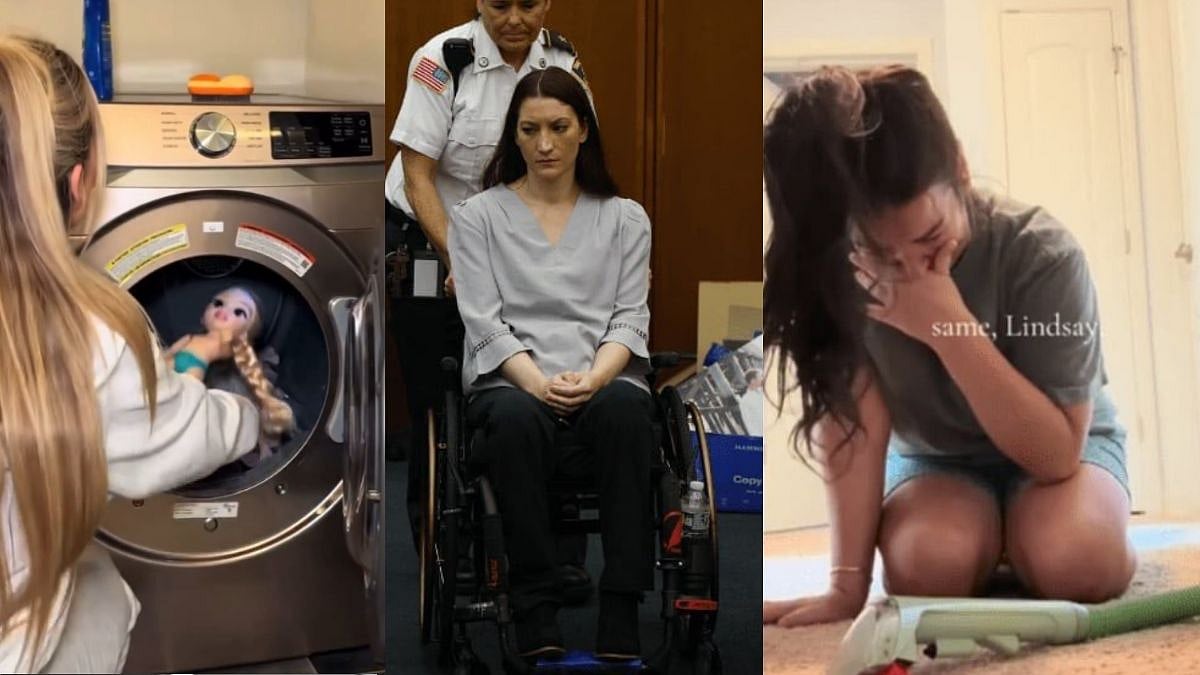
Lindsay Clancy Trial Fuels Outrage Over Disturbing TikTok Trend

Lindsay Clancy Jury Deadlocks as Murder Trial Reaches Decision

Jury deliberates in Lindsay Clancy postpartum psychosis murder trial