

1 week ago
Lindsay Clancy Trial Tests Postpartum Psychosis Insanity Defense
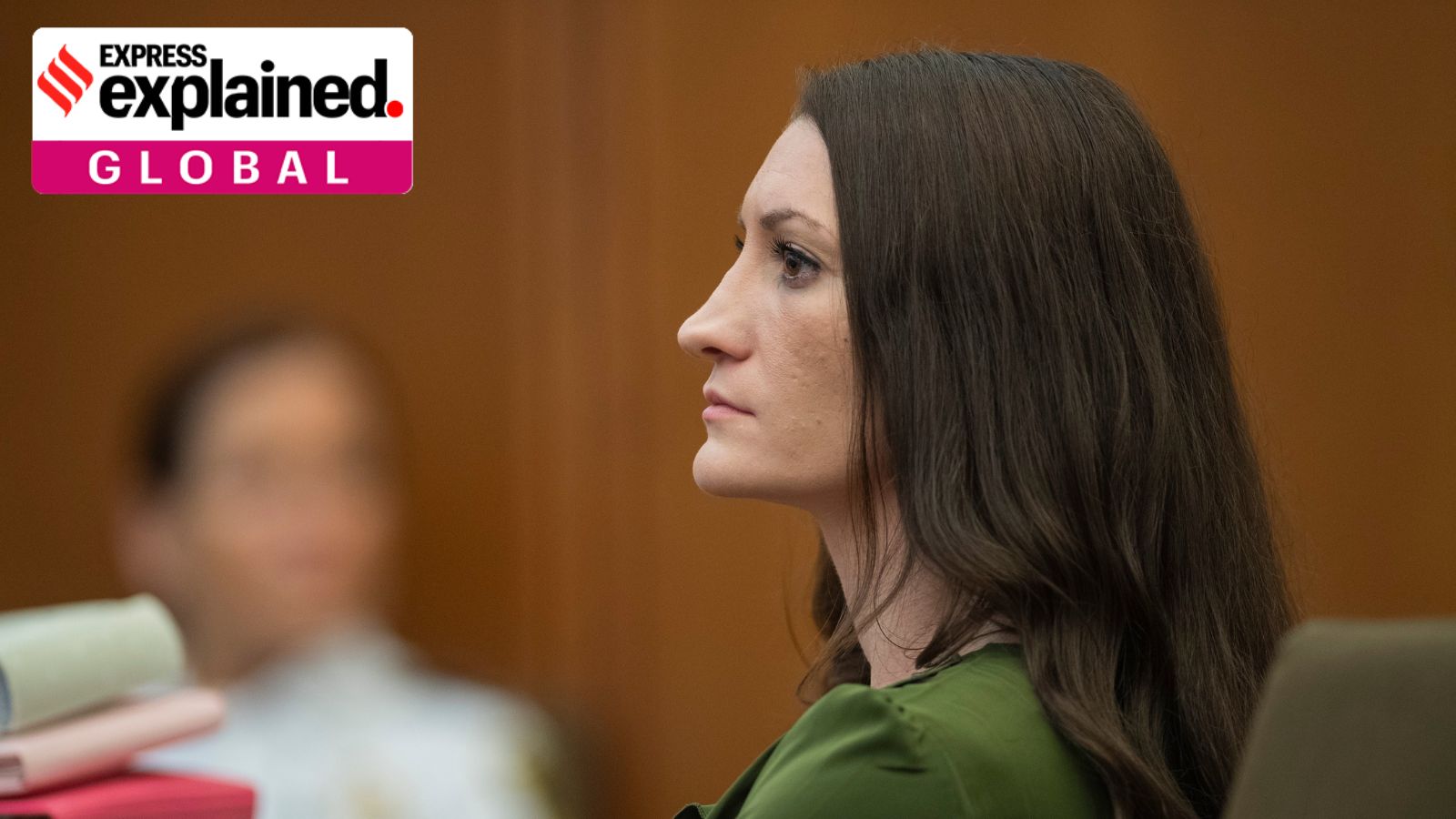
Postpartum psychosis is a rare and serious mental illness that can happen after a baby is born.
A person with it may hear or see things that are not real.
They may also have strange beliefs, severe sleep problems, mood changes or confusion.
The illness can change quickly, so a person may seem organized at one time and confused at another.
Lindsay Clancy’s lawyers say this illness affected her when her three children died.
Prosecutors say she understood what she was doing and planned it.
The jury must decide how her mental state affected her actions at the time.
A finding of not criminally responsible would not automatically mean she could go free.
Massachusetts law allows observation and possible treatment or commitment after such a finding.

Lindsay Clancy’s defence argues that postpartum psychosis affected her mental state when her three children died in January 2023.
Prosecutors argue Clancy understood her actions and made a calculated decision to kill the children.
Postpartum psychosis can involve hallucinations, delusions, insomnia, mood changes and confusion after childbirth.
Experts say psychosis can fluctuate, allowing organized planning during some periods despite delusions or hallucinations.
In Massachusetts, prosecutors must prove beyond reasonable doubt that a defendant was criminally responsible at the time of an alleged offense.
- Who
- Lindsay Clancy, her defence and prosecutors, psychiatric experts, and the jury are central to the case.
- What
- Clancy is accused of killing her three young children, while her defence argues postpartum psychosis affected her criminal responsibility.
- Where
- The case is being tried in Massachusetts.
- When
- The children died in January 2023, and the defence rested its arguments on Friday, August 21, as the trial approached its close.
- Why
- The jury must determine whether Clancy’s mental illness affected her ability to appreciate the wrongfulness of her conduct or follow the law.
Defence and Mental-Health Evidence
Prosecution and Criminal Responsibility
Clancy’s mental state
Defence and Mental-Health Evidence
The defence argues that postpartum psychosis, including reported hallucinations and delusions, affected Clancy after the birth of her third child.
Prosecution and Criminal Responsibility
The prosecution argues that Clancy knew exactly what she was doing and made a calculated decision to kill her children.
Meaning of organized behavior
Defence and Mental-Health Evidence
Psychosis can fluctuate, and a person may experience hallucinations or delusions while still appearing organized or planning behavior.
Prosecution and Criminal Responsibility
Purposeful actions, planning or concealment may be considered evidence when the jury evaluates whether the defendant retained criminal responsibility.
Legal insanity
Defence and Mental-Health Evidence
The defence may seek a finding that Clancy’s mental illness prevented her from appreciating the wrongfulness of her conduct or conforming her behavior to the law.
Prosecution and Criminal Responsibility
Prosecutors must establish either that Clancy had no mental disease or defect at the time, or that she retained substantial capacity to understand the wrongfulness of her conduct and follow the law.
Key facts
- Defendant
- Lindsay Clancy, 36
- Alleged victims
- Clancy’s three young children
- Date of deaths
- January 2023
- Defence position
- Clancy was suffering from postpartum psychosis.
- Prosecution position
- Clancy knew what she was doing and made a calculated decision.
- Massachusetts legal standard
- The prosecution must prove beyond a reasonable doubt that the defendant was criminally responsible.
- Possible outcome after finding
- A person found not guilty by reason of mental illness or mental defect may undergo up to 40 days of observation and examination, followed by possible commitment.
Quotes
Susan Hatters-Friedman
Forensic and reproductive psychiatrist at Case Western University
“So, it is not that we as a society are finding anyone not criminally responsible merely because of having a mental illness — it is about the specific effects of the mental illness.”
 indianexpress.com
“Postpartum psychosis tends to come on quickly as opposed to over weeks to months. And postpartum psychosis symptoms wax and wane.”
indianexpress.com
Sources
Related news

Lindsay Clancy Murder Trial: Duxbury Mother Pleads Not Guilty

Psychologist Says Clancy Could Not Appreciate Wrongfulness in Killings

Lindsay Clancy trial spotlights postpartum psychosis as murder defense

Mother-in-Law Testifies Lindsay Clancy Was Begging for Help

Jury deliberates in Lindsay Clancy postpartum psychosis murder trial

Lindsay Clancy Trial: Warning Signs Missed Before Three Children Killed

Lindsay Clancy Trial Fuels Outrage Over Disturbing TikTok Trend

Lindsay Clancy Jury Deadlocks as Murder Trial Reaches Decision

Tony Reimagines Anthony Bourdain as a Lost Young Man

Trump Administration Escalates Scrutiny of H-1B Hiring Practices
