

1 week ago
Psychologist Says Clancy Could Not Appreciate Wrongfulness in Killings

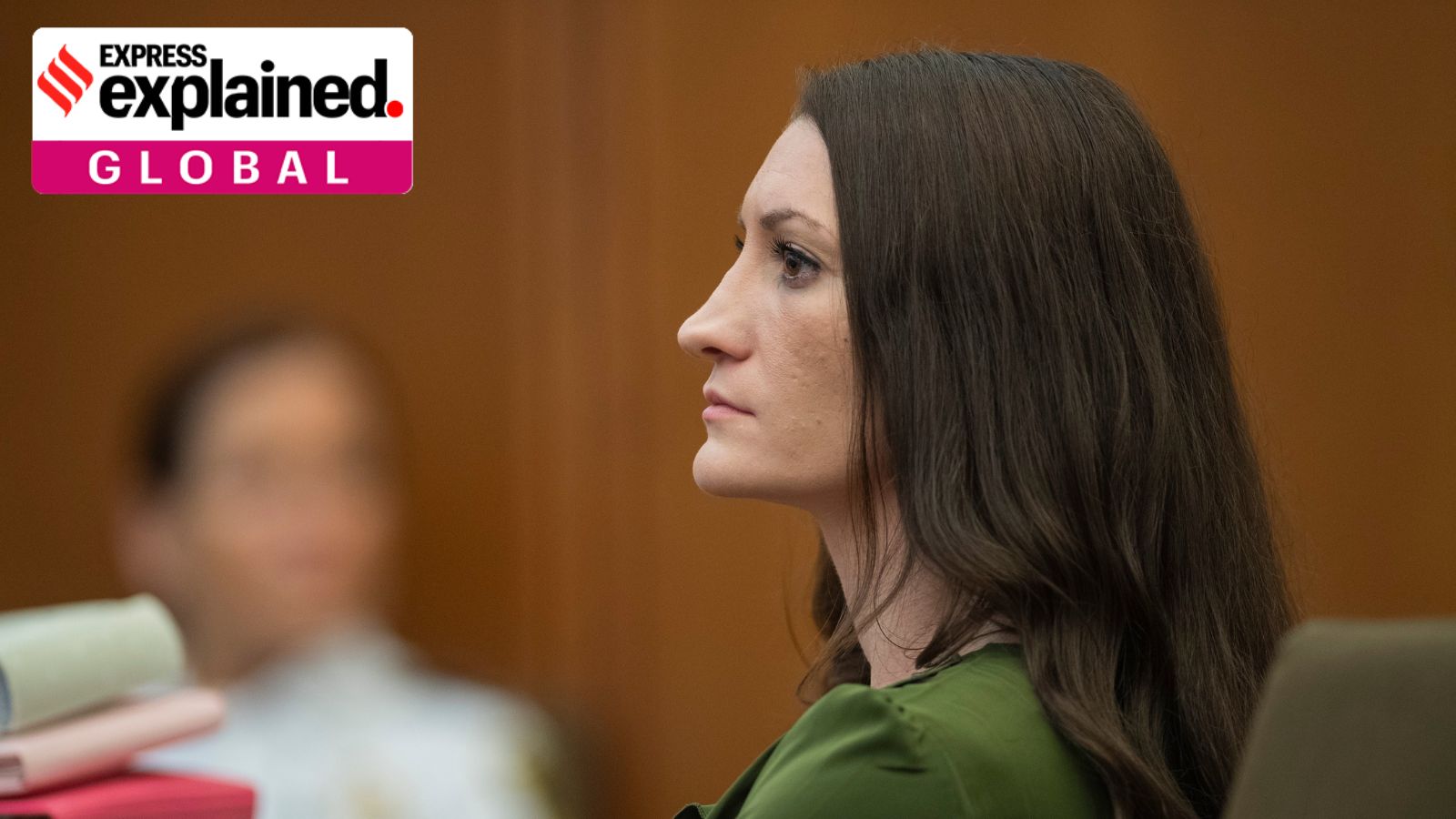
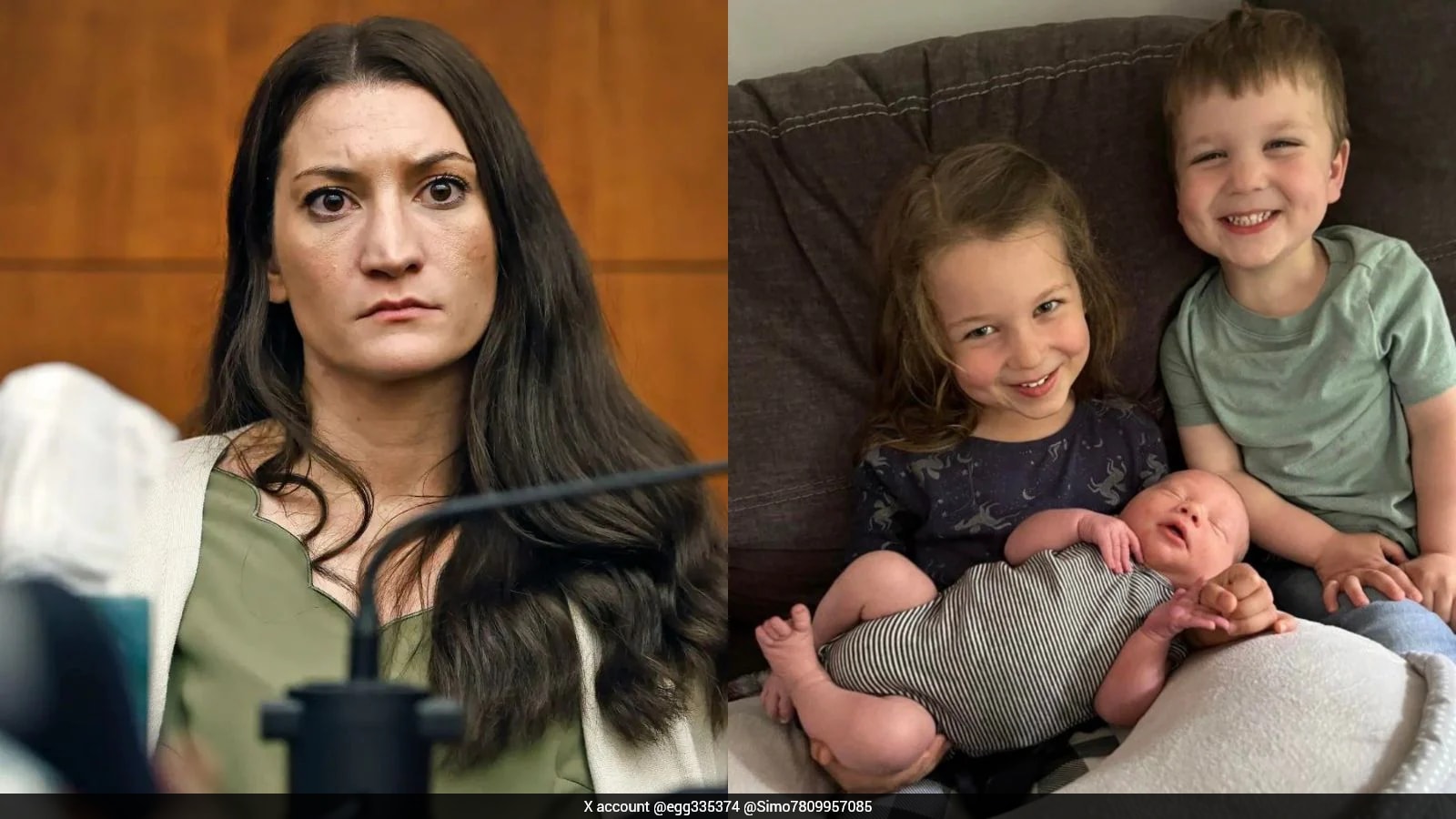
Lindsay Clancy is on trial for the deaths of her three children.
She has pleaded not guilty to murder.
Her lawyers say she was experiencing severe mental illness, including postpartum psychosis, at the time.
A psychologist testified that she could not understand that killing her children was wrong.
He said she had shown paranoia, suicidal thoughts and fears that her children would be taken away.
He also said someone can still drive, search the internet or do ordinary tasks while psychotic.
Prosecutors say Clancy planned what happened and question the psychologist’s conclusions.
If convicted, she could receive life in prison without parole.
If found not criminally responsible, she would be placed in a state mental health facility.

Defence psychologist Paul Zeizel testified that Lindsay Clancy’s mental illness prevented her from understanding the wrongfulness of killing her three children.
The defence argues Clancy had bipolar disorder and postpartum psychosis when Callan, Dawson and Cora died in January 2023.
Prosecutors contend Clancy planned the killings by sending her husband out to collect medicine and dinner.
Zeizel said Clancy showed paranoia, suicidal thoughts and other psychotic symptoms, while everyday activities did not rule out psychosis.
Prosecutors challenged Zeizel’s objectivity, his report’s errors and the seriousness of Clancy’s suicide attempt.
- Who
- Lindsay Clancy, her three children, defence psychologist Paul Zeizel, defence attorney Kevin Reddington and prosecutors including Shanan Buckingham.
- What
- Clancy is facing murder charges, while the defence argues that severe mental illness made her unable to appreciate the wrongfulness of killing her children.
- Where
- The trial concerns events at Clancy’s home, and Clancy is staying at Tewksbury Hospital.
- When
- The testimony was given on Wednesday; the children died in January 2023.
- Why
- The defence is presenting evidence to show that Clancy was not legally responsible because of bipolar disorder and postpartum psychosis; prosecutors argue the killings were planned.
Defence
Prosecution
Mental state at the time of the killings
Defence
Clancy had bipolar disorder and postpartum psychosis, leaving her unable to appreciate the wrongfulness of killing her children or conform her behavior to the law.
Prosecution
Prosecutors argue that Clancy planned the killings, which they say indicates she should be held legally responsible.
Meaning of ordinary behavior
Defence
Zeizel said driving, taking a child to a doctor, playing in the snow or searching online do not rule out a psychotic state.
Prosecution
Prosecutors highlighted Clancy’s activities and questioned whether her behavior supported the claimed severity of her psychosis.
Reliability of the psychological testimony
Defence
Zeizel said Clancy frequently talks about her children, loves and misses them, and has good and bad days during her hospitalization.
Prosecution
Prosecutors questioned Zeizel’s objectivity because he treated Clancy, worked with the defence and appeared with her attorney at a news conference; they also cited errors in his report and records that did not mention voices telling her to kill herself.
Key facts
- Defendant
- Lindsay Clancy, 36, has pleaded not guilty to murder charges.
- Children
- Callan, Dawson and Cora Clancy were between eight months and five years old when they died.
- Defence assessment
- Paul Zeizel said he spent more than 35 hours with Clancy over dozens of visits and reviewed her medical records.
- Defence position
- Zeizel testified that Clancy could not conform her behavior to the law or appreciate the wrongfulness of her actions.
- Prosecution position
- Prosecutors contend that Clancy planned the killings by arranging for her husband to leave the home.
- Suicide attempt
- After strangling the children, Clancy jumped from a second-storey window and remains paralyzed from the waist down.
- Possible outcomes
- A murder conviction could result in life imprisonment without parole; a finding of lack of criminal responsibility would lead to commitment in a state mental health facility.
Quotes
Paul Zeizel
Defensive psychologist testifying for Clancy
“"She was unable to conform her behaviour to the rule of law. She had no appreciation for the wrongfulness of her act."”
 freepressjournal.in
Sources
Related news

Lindsay Clancy Murder Trial: Duxbury Mother Pleads Not Guilty

Mother-in-Law Testifies Lindsay Clancy Was Begging for Help
Lindsay Clancy Trial Tests Postpartum Psychosis Insanity Defense
Lindsay Clancy Trial: Warning Signs Missed Before Three Children Killed
Jury deliberates in Lindsay Clancy postpartum psychosis murder trial

TikTok Backlash Grows During Lindsay Clancy Murder Trial
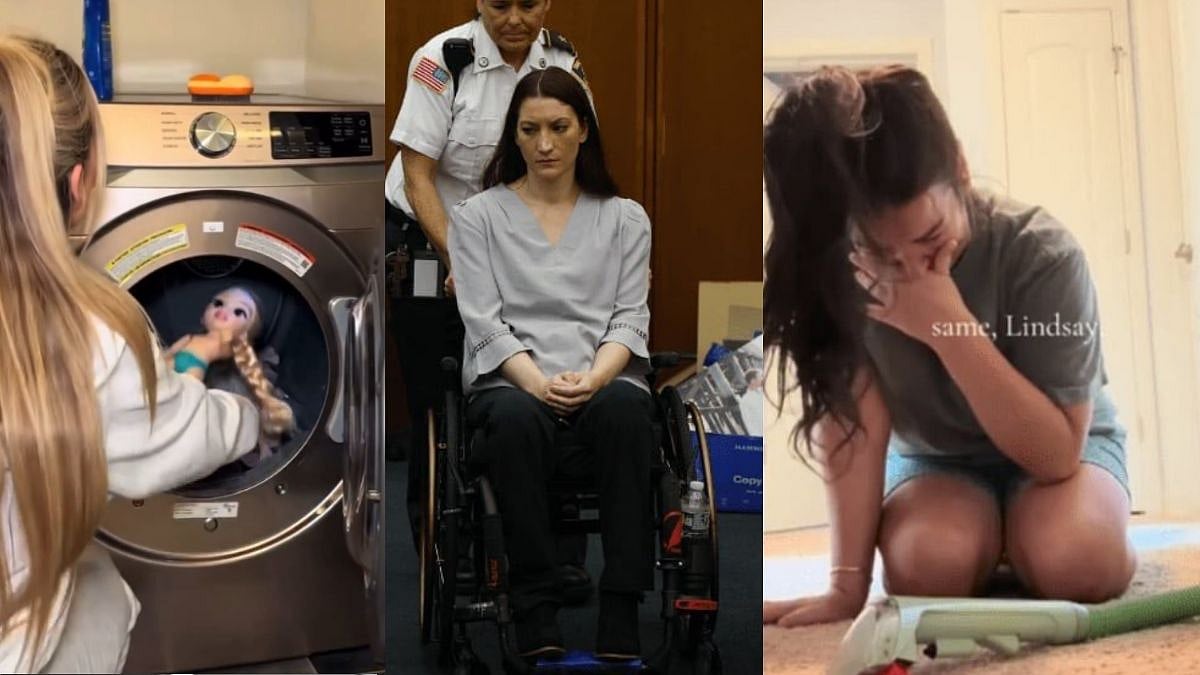
Lindsay Clancy Trial Fuels Outrage Over Disturbing TikTok Trend
