

6 hrs ago
Degrees, Skills and Continuous Learning Shape Graduate Employability

A college degree can help someone get a job, but it may not be enough by itself.
Employers also want people who can solve problems, use digital tools and work well with others.
Some companies are looking at projects and work samples to see what candidates can actually do.
Artificial intelligence is becoming part of many jobs, so workers need to know how to use it carefully.
They also need to check whether AI gives good answers.
Schools can help by offering internships, projects and practical activities.
Employers can use fair tests to understand people’s abilities.
Degrees, practical skills and continued learning can work together to prepare graduates for changing jobs.

Academic qualifications remain important, but employers increasingly expect graduates to apply knowledge in unfamiliar situations.
Skills-based hiring is expanding, with employers considering portfolios, projects, certifications and work samples alongside degrees.
Artificial intelligence is becoming part of workflows across technology, finance, manufacturing, media and services.
Universities can narrow the skills gap through projects, internships, simulations, collaborative assignments and industry exposure.
Employers and institutions should provide accessible skill-development opportunities so employability does not become more unequal.
- Who
- Graduates, students, educational institutions, employers and working professionals.
- What
- The article examines how education and hiring can better prepare graduates for changing workplaces through practical skills, AI awareness and continuous learning.
- Where
- Across sectors including technology, finance, manufacturing, media and services.
- When
- The shift is described as occurring in the current and emerging workplace.
- Why
- Workplaces increasingly require graduates to apply knowledge, use digital tools, collaborate, communicate, solve problems and continue learning.
Key facts
- Core issue
- The transition from classroom learning to professional work has become more complex.
- Hiring trend
- Some employers are looking beyond academic qualifications toward portfolios, projects, certifications and work samples.
- AI role
- AI tools are increasingly becoming part of professional workflows across several sectors.
- Recommended preparation
- Projects, internships, simulations, collaborative assignments and industry exposure can connect academic concepts with practical situations.
- Employer practices
- Structured assessments, work samples and problem-solving exercises can help evaluate demonstrated capabilities.
- Equity concern
- Portfolio-building and additional certifications may require time, guidance and financial resources.
- Central conclusion
- Degrees, practical skills and continuous learning should work together to improve graduate employability.
Sources
Related news

Why Workplace Readiness Now Requires More Than Degrees

Higher Education Adapts to Changing Workforce Skill Demands

Universities Urged to Prepare Students for an Evolving World

Five Capabilities Students Need Before Their First Job
NITI Aayog Urges Skills-First Hiring as AI Threatens Workers

Engineering Degrees Expand Beyond Traditional Branches in AI Era
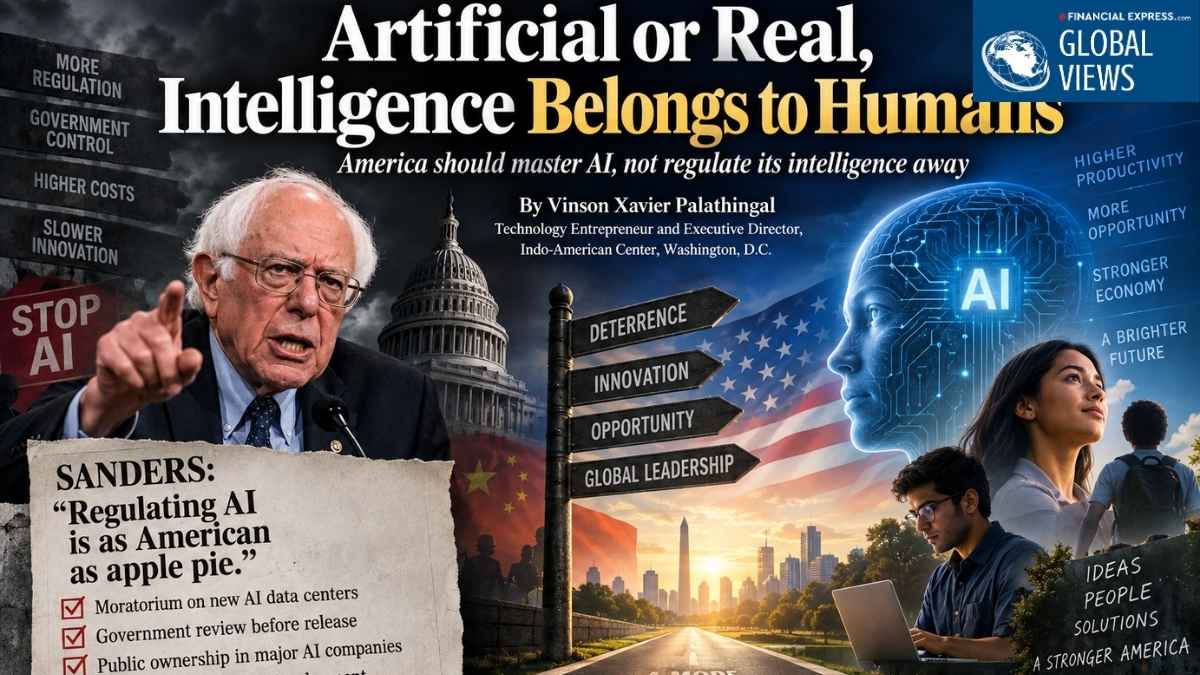
Entrepreneur Urges Human Responsibility Over Heavy-Handed AI Regulation
Vaishnaw Says AI Benefits Require Regulation for User Safety
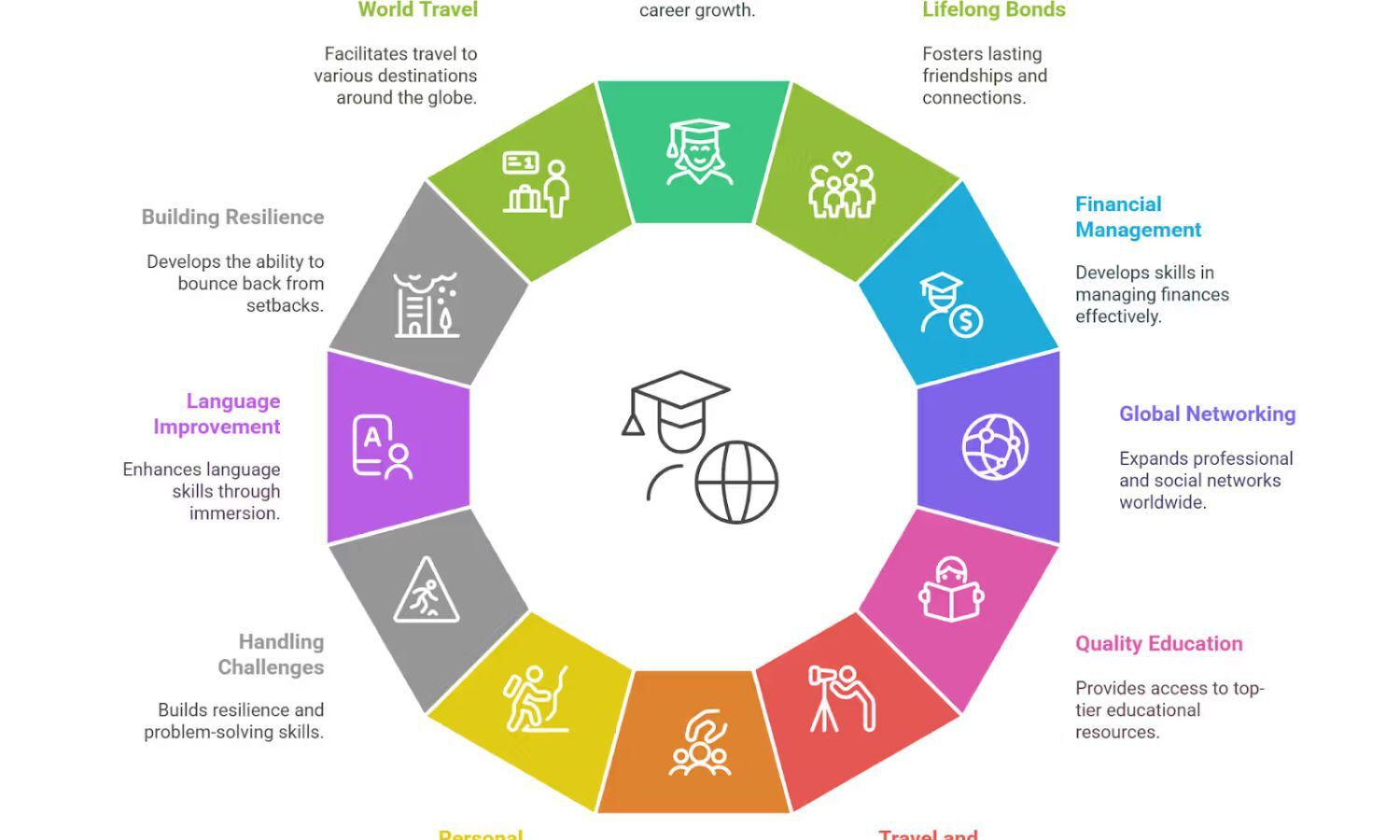
Skills Students Need Before Studying Abroad in AI Era

AI Investment Boom Could Trigger Painful Chain of Events
