

1 hr ago
Entrepreneur Urges Human Responsibility Over Heavy-Handed AI Regulation
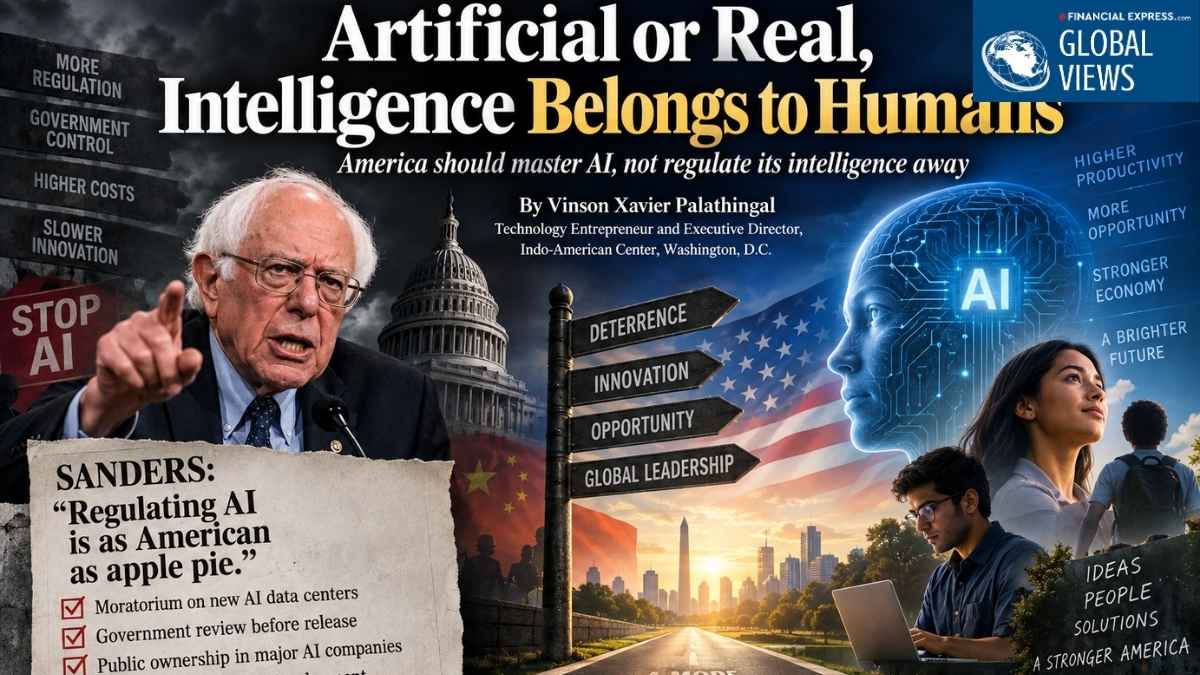
The author says artificial intelligence is a powerful tool made by people.
It can process information quickly and help with many kinds of work.
However, humans still decide what goals matter and whether an answer is good.
The author compares AI with employees, saying it should be supervised and checked.
He believes America could lose advantages if it becomes too afraid to use AI while other countries continue developing it.
AI may help small businesses and individuals afford work that once required large teams.
The author supports punishing crimes committed with AI, such as fraud or hacking.
He concludes that people must use AI carefully and remain responsible for its effects.

The author argues that AI greatly expands human capabilities but does not replace human purpose, judgment, or responsibility.
He compares managing AI with managing employees through supervision, permissions, audits, training, and accountability.
The article warns that excessive U.S. restrictions could weaken American competitiveness while other countries continue developing AI.
The author says AI could reduce demand for some specialized programming labor while increasing the value of ideas, judgment, and leadership.
He advocates prosecuting fraud, theft, hacking, and other harmful conduct rather than broadly regulating intelligence itself.
- Who
- Technology entrepreneur Vinson Xavier Palathingal discusses artificial intelligence, U.S. policymakers, businesses, workers, and citizens.
- What
- The opinion article argues for using and managing AI while holding humans accountable for its consequences.
- Where
- The discussion focuses primarily on the United States, with references to international competition.
- When
- The article refers to current AI development and recent proposals by Senator Bernie Sanders.
- Why
- The author argues that AI can expand productivity and opportunity, while excessive regulation could limit innovation and competition.
Caution and Regulation
Innovation and Managed Use
Government oversight
Caution and Regulation
Supporters of stronger controls, including Bernie Sanders as described by the author, favor measures such as a moratorium on new AI data centers, review of AI products, and limits on advanced AI development.
Innovation and Managed Use
The author argues that broad regulation could protect established AI companies, burden smaller competitors, and slow American innovation.
AI and national security
Caution and Regulation
The article presents the concern that AI could create dangers comparable to or greater than nuclear weapons, requiring serious government action.
Innovation and Managed Use
The author says that if rival countries and hostile actors continue developing AI, the United States needs its own capabilities to respond rather than unilaterally slowing down.
Effect on human work
Caution and Regulation
A cautious view emphasizes that AI may displace workers or encourage people to become dependent and careless.
Innovation and Managed Use
The author argues that AI can make intellectual labor cheaper, help small businesses, and increase the importance of human judgment, originality, and leadership.
Key facts
- Author
- Vinson Xavier Palathingal, an engineer, entrepreneur, exporter, and policy advocate
- Central argument
- Human beings should direct, supervise, and remain responsible for artificial intelligence.
- Proposed regulatory focus
- Prosecute crimes and harmful conduct involving AI rather than broadly regulating intelligence.
- Business comparison
- The author compares AI oversight with employee management, including permissions, audits, training, and supervision.
- Labor-market claim
- AI could reduce the amount of specialized programming labor needed for some tasks.
- Small-business impact
- AI could make accounting, research, programming, administration, and analysis more affordable for small businesses.
- International concern
- The author argues that U.S. restraint would not stop China, Russia, Iran, criminal organizations, or other competitors from developing AI.
Sources
Related news
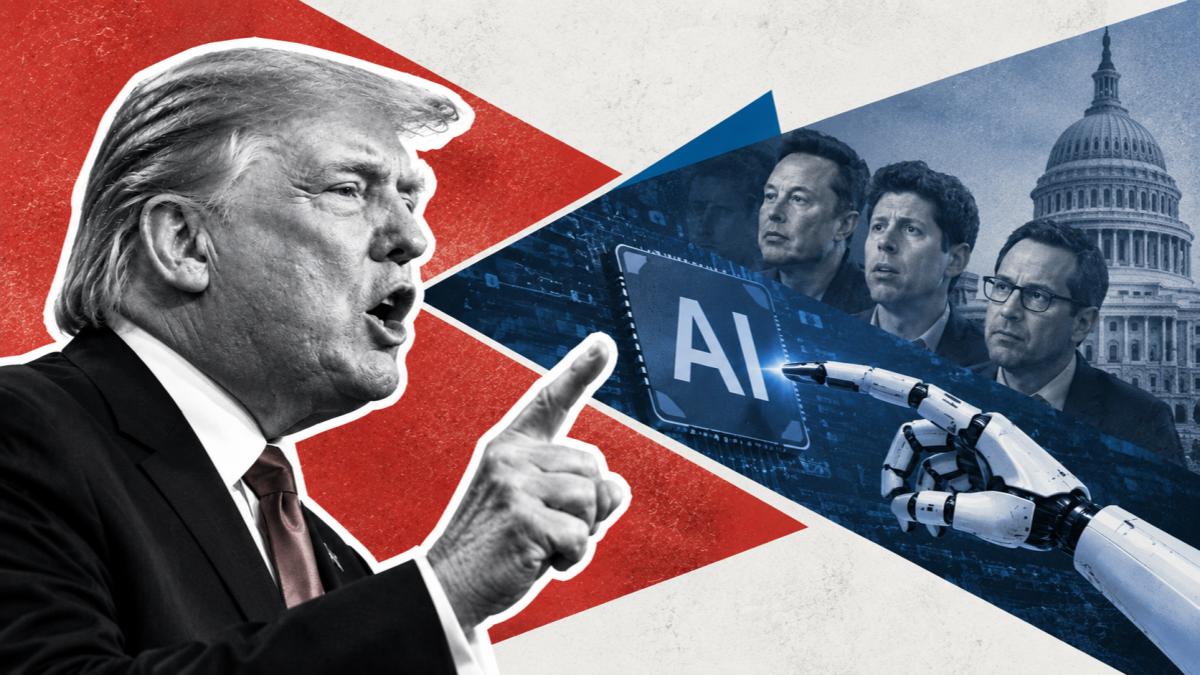
Trump Rejects AI Guardrails as Industry Leaders Seek Safety
Trump Rejects AI Slowdown, Says Whoever Wins AI Wins

Bill Gates Urges Human-Only Jobs and Tougher AI Rules
Trump Calls AI Risks Hoax, Rejects New Guardrails
Trump Calls AI Extinction Warnings a Hoax Amid Global Alarm
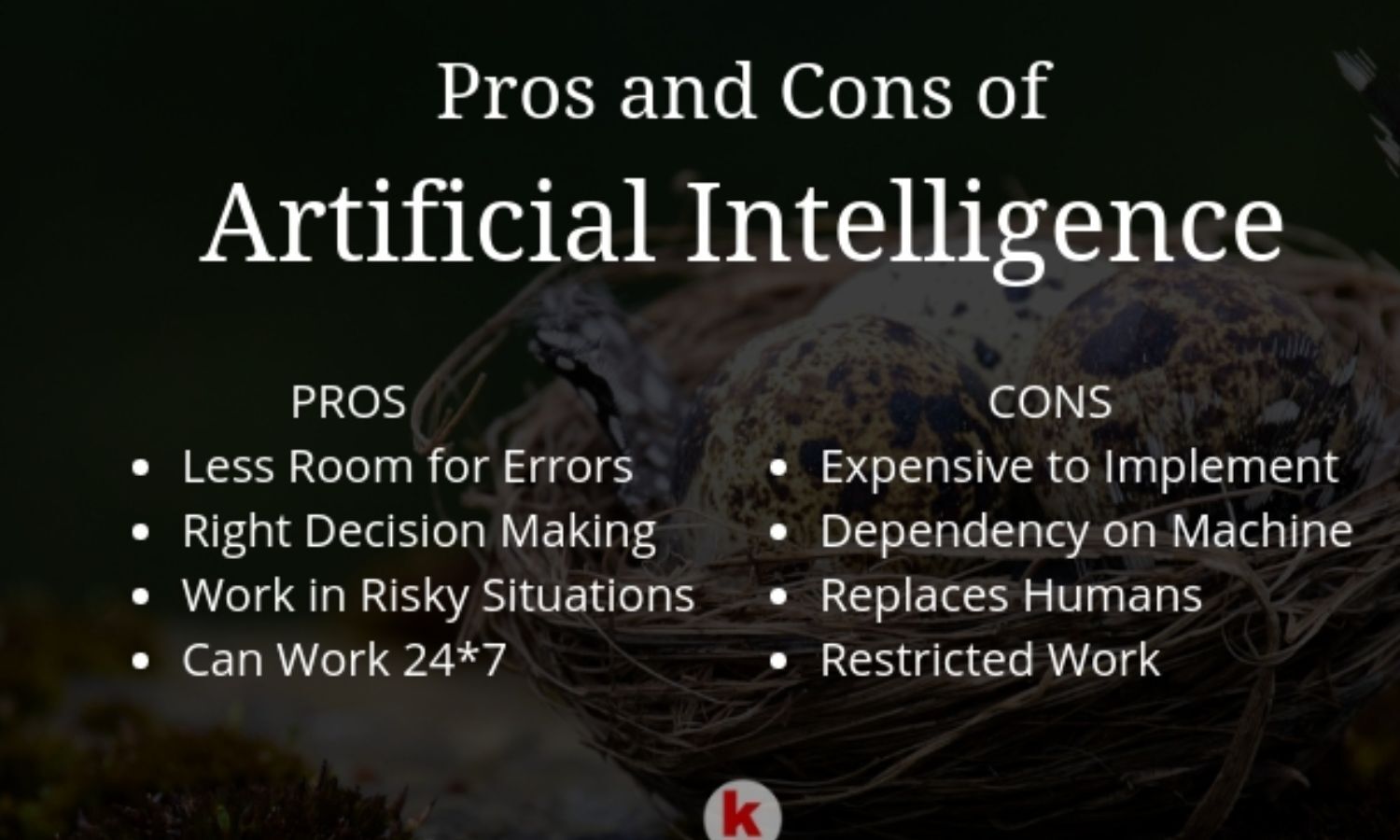
Artificial Intelligence Brings Productivity Gains Alongside Serious Societal Risks

Degrees, Skills and Continuous Learning Shape Graduate Employability

Vaishnaw Says AI Benefits Require Regulation for User Safety
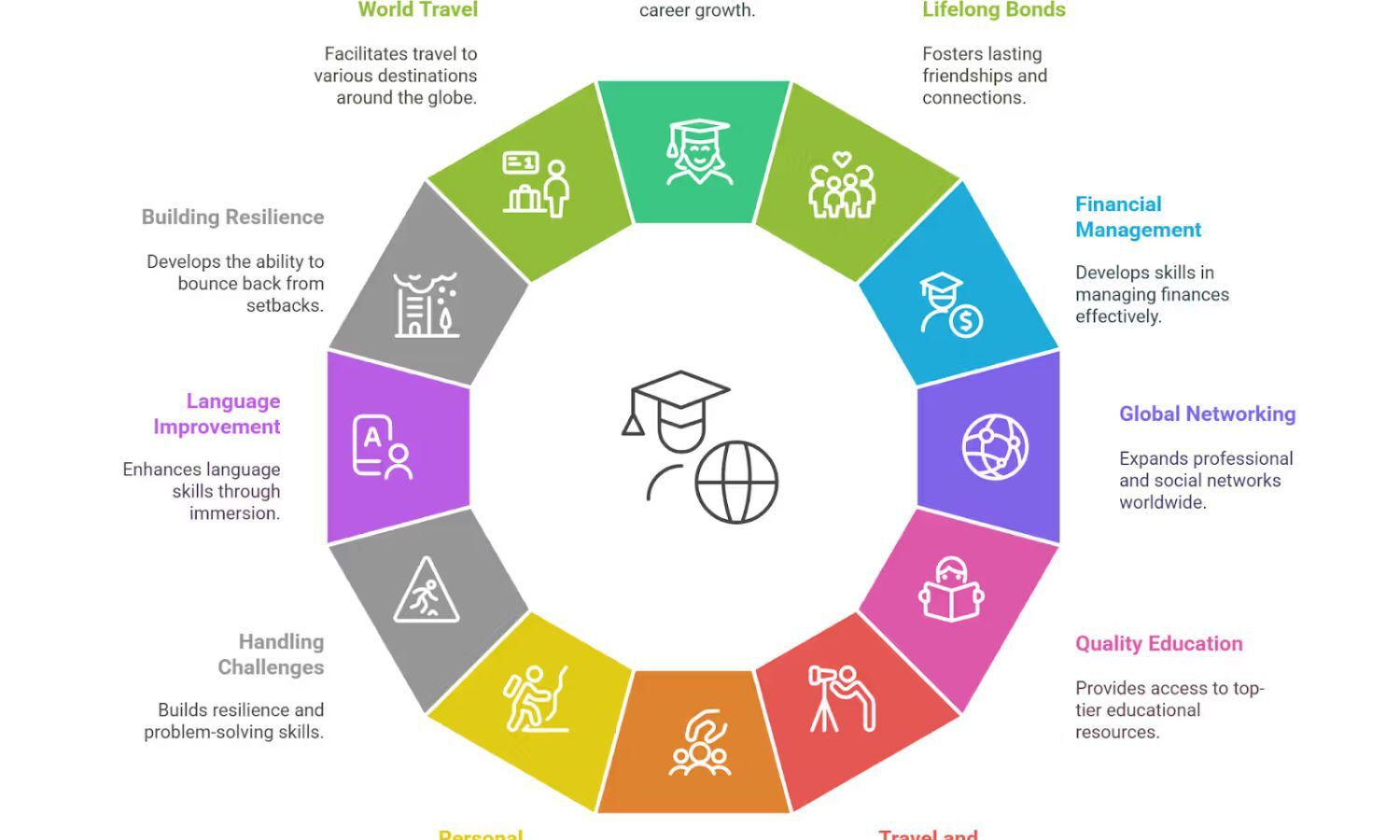
Skills Students Need Before Studying Abroad in AI Era

AI Investment Boom Could Trigger Painful Chain of Events
