34 mins ago
Why Workplace Readiness Now Requires More Than Degrees

A university degree shows that someone studied and learned important ideas.
But it may not show how well they solve real workplace problems.
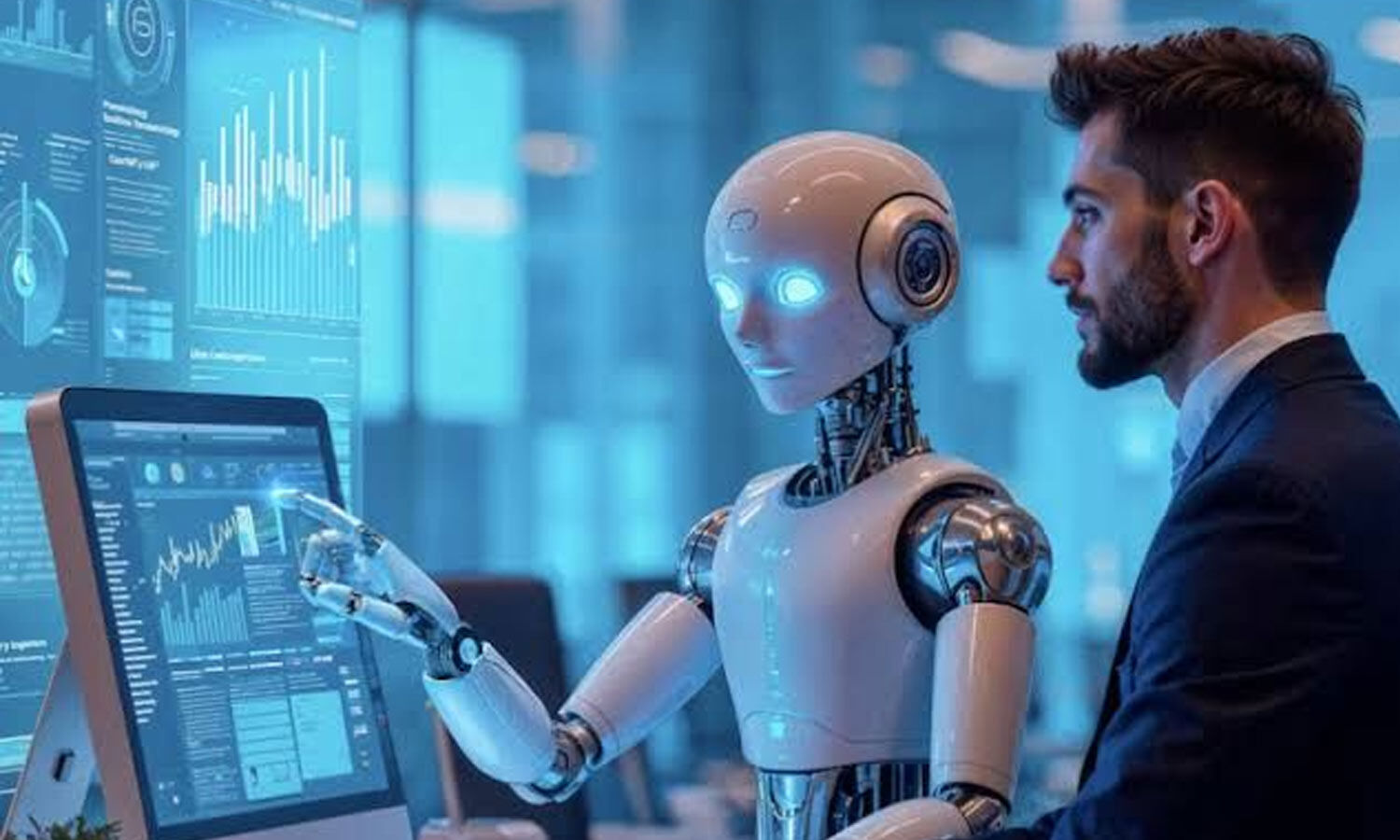
Jobs increasingly require teamwork, communication, judgment, and the ability to use changing AI tools.
This is why some employers are trying to hire people based more on what they can do.
They may use projects, portfolios, or practical tests to see those abilities.
Degrees will probably still matter, but they may be only one part of the picture.
Building these skills can be harder for people who lack time, money, or access to technology.
Employers can help by offering training and fair ways to assess people.

University degrees remain useful signals but may not fully show workplace readiness.
Employers are discussing skills-based hiring, though traditional qualifications still influence decisions.
AI fluency increasingly involves experimenting, checking results, and applying human judgment across industries.
Portfolios, work samples, simulations, and structured assessments can broaden hiring evidence.
By 2030, employability may depend on knowledge, practical skills, communication, judgment, and continuous learning.
- Who
- Employers, hiring managers, graduates, and other job candidates are involved.
- What
- Workplace readiness is increasingly being evaluated through practical capabilities and AI fluency in addition to degrees.
- Where
- The discussion applies across workplaces and sectors including technology, banking, manufacturing, and professional services.
- When
- The shift is underway, with the article projecting that employability may look different by 2030.
- Why
- Degrees do not always show how candidates handle unclear requirements, changing technology, collaboration, communication, and decisions with incomplete information.
Key facts
- Traditional signal
- A university degree has long provided employers with a familiar indication of educational background and preparation.
- Hiring trend
- Organisations are increasingly discussing skills-based hiring, which emphasizes demonstrated capabilities.
- Implementation challenge
- Changing recruitment language is easier than changing the assessment processes used by hiring managers.
- AI fluency
- Employees increasingly need to experiment with AI, learn continuously, check outputs, and understand where human judgment is needed.
- Assessment methods
- Structured assessments, problem-solving exercises, portfolios, work samples, and role-specific simulations can provide additional evidence.
- Equity concern
- Building portfolios, earning certifications, and developing AI capabilities can require unequal amounts of time, money, and technology access.
- Projected direction
- By 2030, employability may depend on combining foundational knowledge with practical capability, communication, judgment, technological fluency, and continued learning.
Sources
Related news

Five Capabilities Students Need Before Their First Job

Higher Education Adapts to Changing Workforce Skill Demands
NITI Aayog Urges Skills-First Hiring as AI Threatens Workers

Employers Seek Analytical, Tech-Savvy, Adaptable MBA Graduates
Indian Jobseekers Prefer Skills Tests Over Resumes, Indeed Finds

Universities Urged to Prepare Students for an Evolving World

Trump Rejects AI Slowdown Calls, Pledges U.S. Leadership

Trump Criticizes AI Critics as Negative Forces in Ireland

Punjab Governor Urges Ethical, AI-Enabled Higher Education