

3 weeks ago
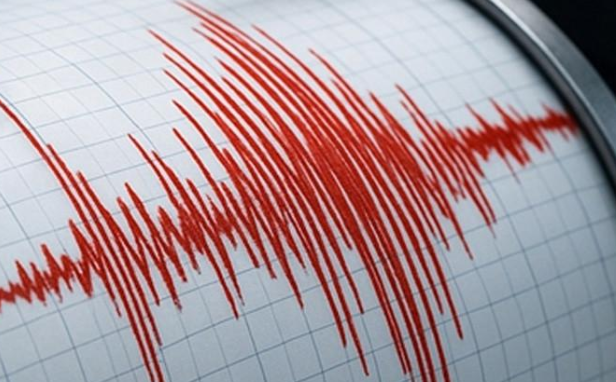
Twin earthquakes rattle Arunachal Pradesh; Japan hit by 7.1 quake
Sometimes the ground shakes, and we call that an earthquake.
When two big earthquakes happen close together in the same place and time, scientists call them twin earthquakes.
Twin earthquakes hit Arunachal Pradesh in India one morning, just a couple of hours apart.
In fact, the region felt four earthquakes in less than one day.
Japan also gets many earthquakes because it sits where four giant pieces of Earth's shell meet.
A big 7.1 earthquake recently shook Kumamoto in Japan.
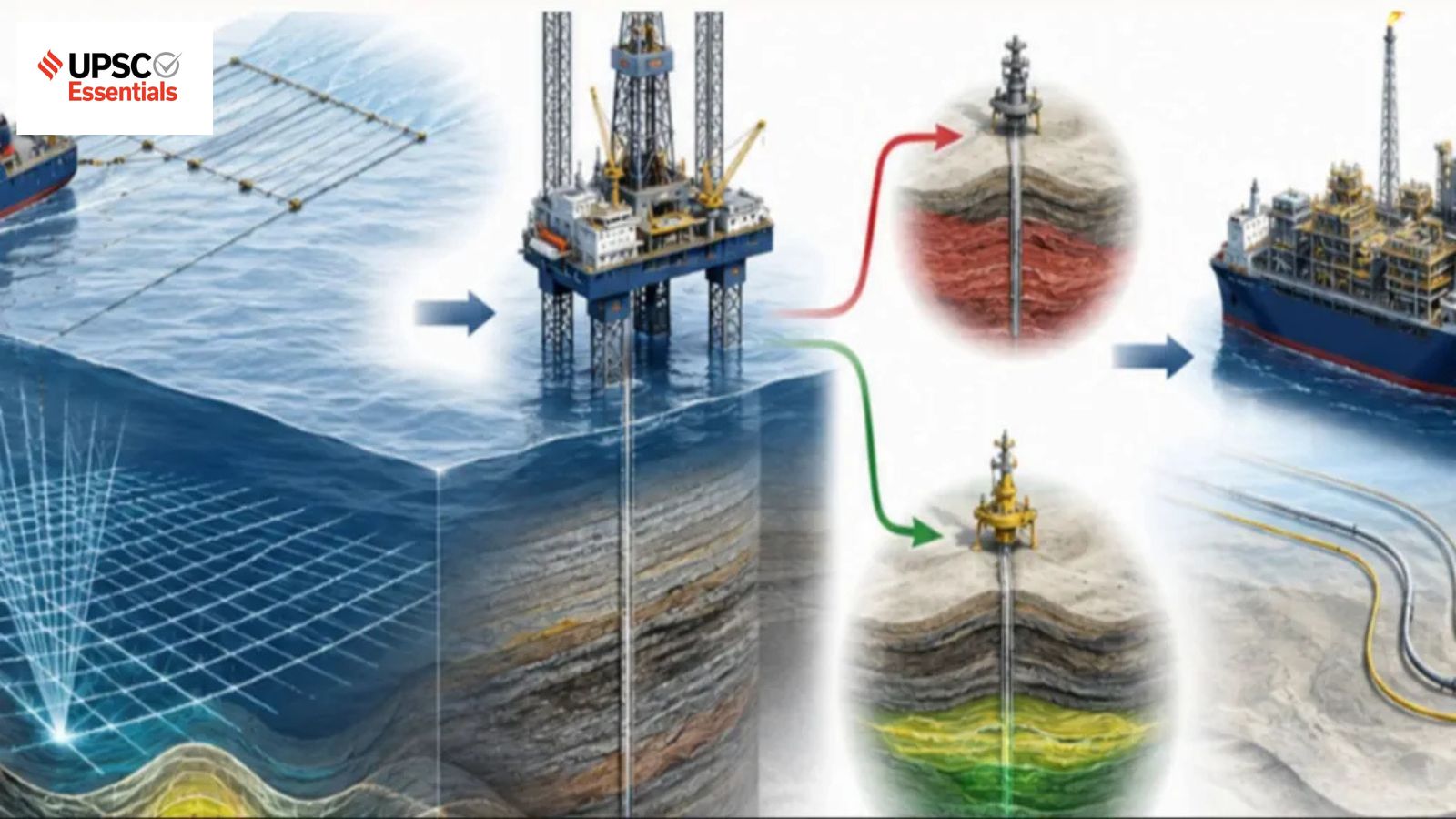
India is also planning something big under the sea: a scheme called Samudra Manthan to drill for oil and gas deep in the ocean.
There is another idea called climate whiplash, which means weather swings quickly from very wet to very dry.
That can dry out plants and make wildfires spread more easily.

Twin (doublet) earthquakes struck Arunachal Pradesh early Thursday, with the first hitting Upper Siang district around 5:45 AM and a minor tremor following around 7:17 AM.
Arunachal Pradesh experienced a total of four earthquakes in less than 24 hours, according to the National Center for Seismology.
A magnitude 7.1 earthquake struck Japan's southern Kumamoto prefecture on July 28, the nation's eighth quake of 7+ magnitude in the last decade.
India's Samudra Manthan (National Offshore Exploration) scheme allocates Rs 43,200 crore for deep-sea exploratory drilling and Rs 28,534 crore for offshore data acquisition.
Climate whiplash - rapid swings between extreme wet and dry conditions - is becoming more common and fueled last year's California wildfires, researchers say.
- Who
- Residents of Upper Siang district in Arunachal Pradesh, India, and Kumamoto prefecture in Japan; the National Center for Seismology monitored the tremors.
- What
- Twin (doublet) earthquakes shook Arunachal Pradesh, while a 7.1-magnitude earthquake struck Japan's Kumamoto prefecture; India's Samudra Manthan scheme will fund deep-sea exploration.
- Where
- Upper Siang district, Arunachal Pradesh, India; Kumamoto prefecture, Japan.
- When
- Early Thursday (first quake at about 5:45 AM, second about 7:17 AM); the Japan quake hit on July 28.
- Why
- Twin earthquakes occur when two large quakes of similar size strike close together in location and time; Japan sits at the collision point of four tectonic plates.
Key facts
- First quake location
- Upper Siang district, Arunachal Pradesh
- First quake time
- Around 5:45 AM
- Second tremor time
- Around 7:17 AM
- Total quakes in under 24 hours
- Four in Arunachal Pradesh
- Japan earthquake magnitude
- 7.1 (initially recorded)
- Samudra Manthan drilling allocation
- Rs 43,200 crore
- Samudra Manthan data acquisition allocation
- Rs 28,534 crore
- Scheme implementation period
- Till financial year 2030-31
Quotes
Government release
Official statement from the Indian government regarding the Samudra Manthan scheme
“"The Scheme encompasses a comprehensive set of interventions across the offshore exploration value chain. It provides for large-scale acquisition, processing and interpretation of high-quality seismic data, accelerated deepwater and ultra-deepwater exploratory drilling, scientific drilling in frontier basins, development of common offshore production and evacuation infrastructure, and establishment of an integrated Oil & Gas Manufacturing and Services Zone."”
 indianexpress.com
Journalist quoting scientific explanation
Explanation of twin earthquakes from the article
“"Twin earthquakes, also known as doublet earthquakes, occur when two distinct, large earthquakes of similar size strike close together in location and time."”
indianexpress.com
Sources
Related news
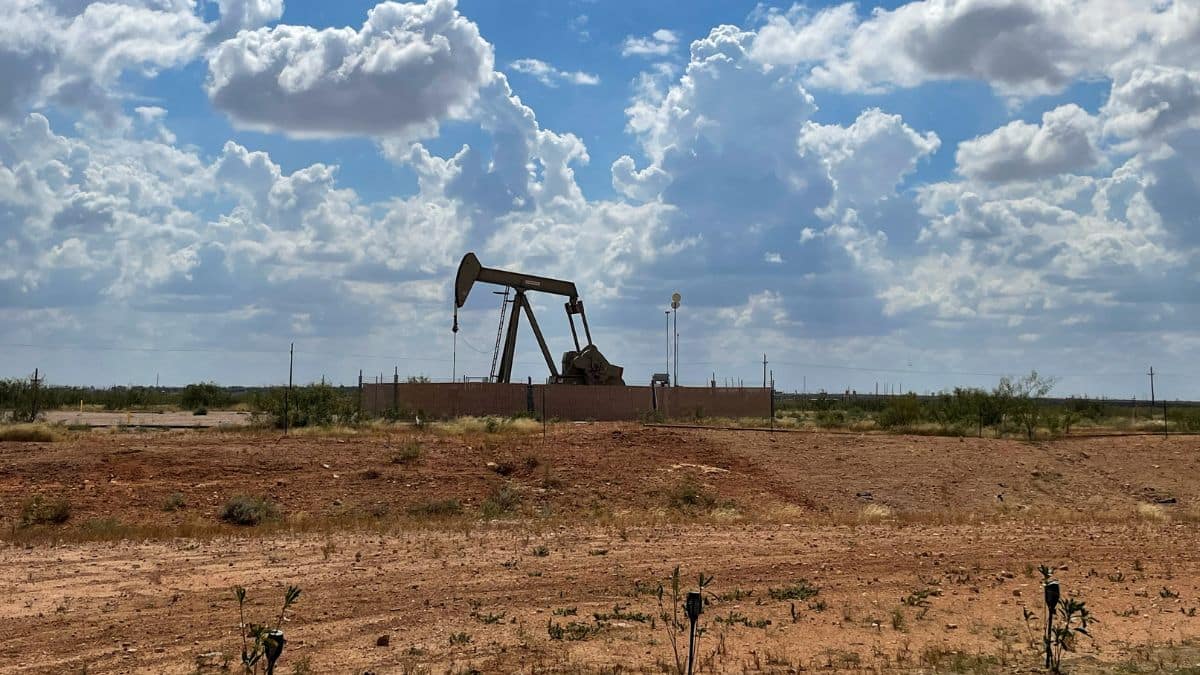
India’s Samudra Manthan Funds Deepwater Exploration to Cut Oil Imports
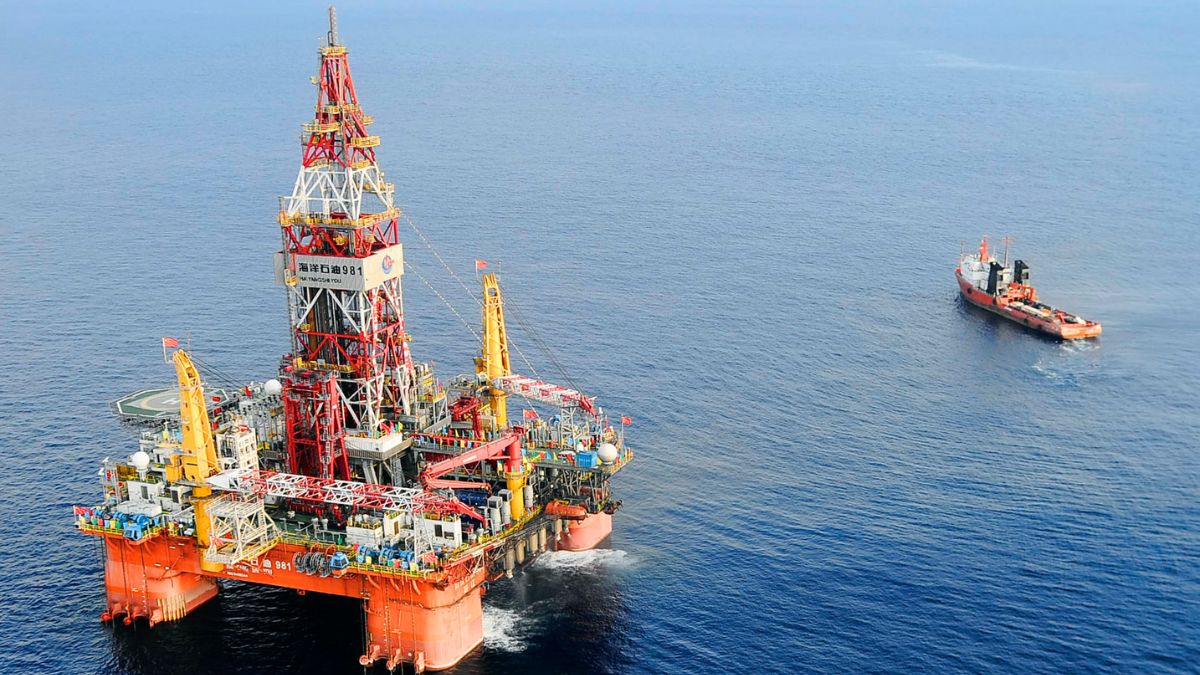
Samudra Manthan: India's Offshore Oil Push Targets Energy Security

ONGC Explores Drillship Ownership, JV to Accelerate Offshore Exploration

PM Modi: 99% 'no-go' coastal waters now open for exploration

BP Evaluates Indian Deepwater Blocks Under Samudra Manthan

Magnitude 4.9 Earthquake Strikes Afghanistan, No Damage Reported
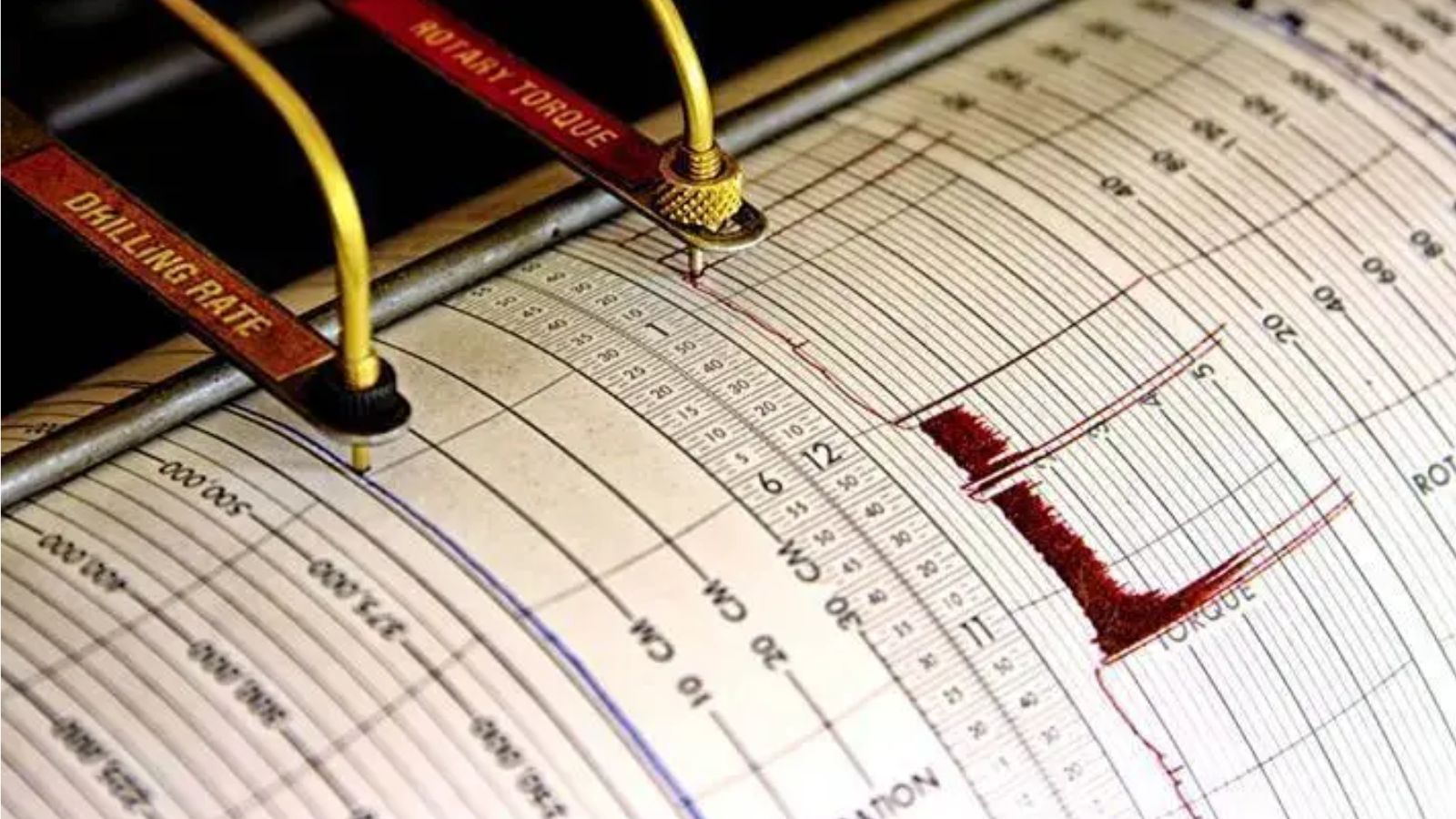
Light Earthquakes Shake Shimla and Chamba; No Damage Reported

Twin quakes rattle Indonesia; 7.7-magnitude tremor leaves 38 dead
Magnitude 3.4 Earthquake Strikes Nashik, Maharashtra; No Damage Reported
