3 weeks ago
Startup Founder Questions Elder-Foot-Touching Tradition, Sparking Social Debate
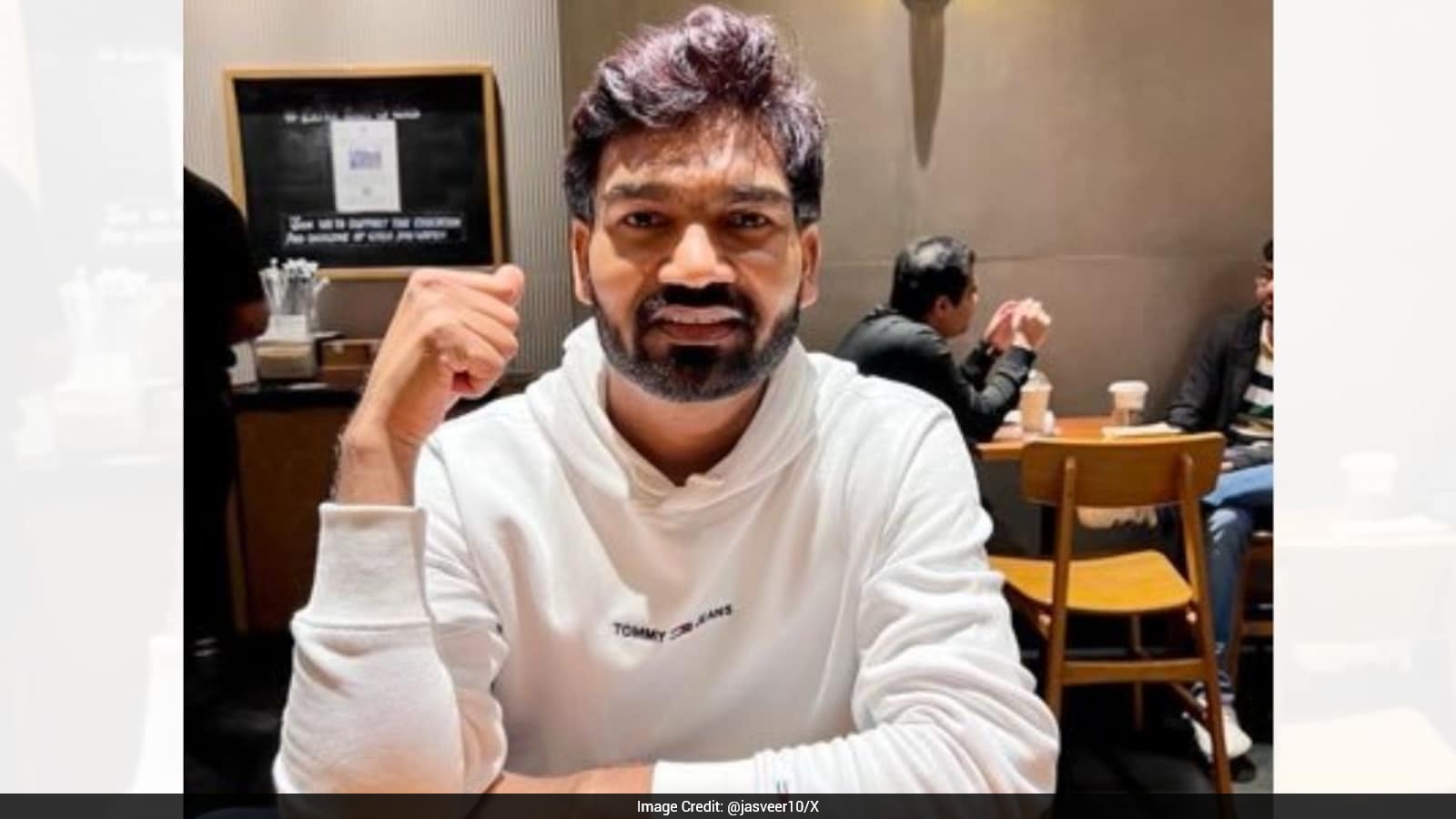
Jasveer Singh questioned a tradition in which younger people touch older relatives’ feet.
He said people should not do it only because someone is older.
He believes respect should be earned through good character, wisdom, and meaningful actions.
Singh also said being a relative or wearing religious clothing does not automatically make someone deserving of the gesture.
He called automatic obedience a habit learned from society.
He clarified that he was not telling people to be rude to elders.
Some people online agreed that respect should be genuine.
Others said the gesture can mean regard or honoring the divine within a person.
This led to a debate about what the tradition really means.

Jasveer Singh, co-founder of Knot Dating, questioned touching elders’ feet solely because they are older.
Singh argued that age, family ties, religious clothing, or social pressure should not automatically earn the gesture.
He said genuine respect should be based on character, wisdom, integrity, knowledge, or meaningful achievements.
Singh clarified that he was not encouraging arrogance or disrespect toward elders.
The post on X prompted users to debate whether the practice represents respect, regard, or recognition of a divine presence.
- Who
- Jasveer Singh, co-founder of Knot Dating, and users discussing his post.
- What
- Singh questioned whether touching elders’ feet should be expected solely because of their age or family status.
- Where
- The debate took place on X and concerns a cultural tradition.
- When
- The discussion followed Singh’s post on X; no specific date is provided.
- Why
- Singh said respect should be genuine and based on character rather than social conditioning or compulsory family expectations.
Respect Should Be Earned
Tradition Can Express Regard
Meaning of the gesture
Respect Should Be Earned
Singh argued that touching someone’s feet because they are older can be social conditioning rather than genuine respect.
Tradition Can Express Regard
Some users said the gesture may represent regard or bowing to the divine soul within a person, regardless of the individual’s qualities.
Role of age and family
Respect Should Be Earned
Singh said age, being an uncle or aunt, blood relations, and religious clothing do not automatically make someone worthy of the gesture.
Tradition Can Express Regard
Supporters of the tradition described it as a culturally taught practice whose meaning may go beyond the person’s age or achievements.
Choice versus expectation
Respect Should Be Earned
Singh said people should perform the gesture only when they genuinely admire and want to learn from someone.
Tradition Can Express Regard
Other commenters suggested the practice can remain meaningful when understood as cultural regard rather than compulsory personal admiration.
Key facts
- Person
- Jasveer Singh
- Role
- Co-founder of Knot Dating
- Platform
- X
- Questioned practice
- Touching elders’ feet
- Singh’s position
- Age alone should not determine who deserves the gesture.
- Suggested basis for respect
- Character, knowledge, wisdom, integrity, or meaningful achievements
- Public response
- Users expressed differing views about whether the gesture signifies respect, regard, or recognition of a divine presence.
Quotes
An unnamed social media user
A social media commenter offering a spiritual interpretation of touching elders’ feet.
“Age is not an achievement. Being someone's uncle, aunt, relative or elder doesn't automatically make them worthy of that gesture. If age alone deserved respect, every old person would be wise, we all know that's not true.”
 NDTV
NDTV
“I was never told to touch someone's feet "as mark of respect" I was told that I am bowing down to the divine soul inside them no matter what qualities that person have.”
NDTV
Sources
Related news

BJP MLA's Son's Foot-Washing Ceremony Sparks Tribal Dignity Controversy

Tanushree Dutta Questions Bollywood’s Age-Based Definition of Veteran Status

Viral Train Video Sparks Debate Over Seat Courtesy

India’s Gen Z Challenges Tradition, Authority and Social Norms

Gurgaon CEO’s Sleep Debate Challenges India’s Early-Rising Expectations

Chopra Weighs Both Sides In Jaiswal-Fernando Clash Debate
Dating App CEO Highlights Unusual No-Tattoo Marriage Preference

Gen Z killed workplace awkwardness, CEO's viral post shows

No new Gurgaon needed; make the existing Gurgaon actually work