1 hr ago
Saudi Arabia's Yemen Crisis Threatens Energy Security and Vision 2030
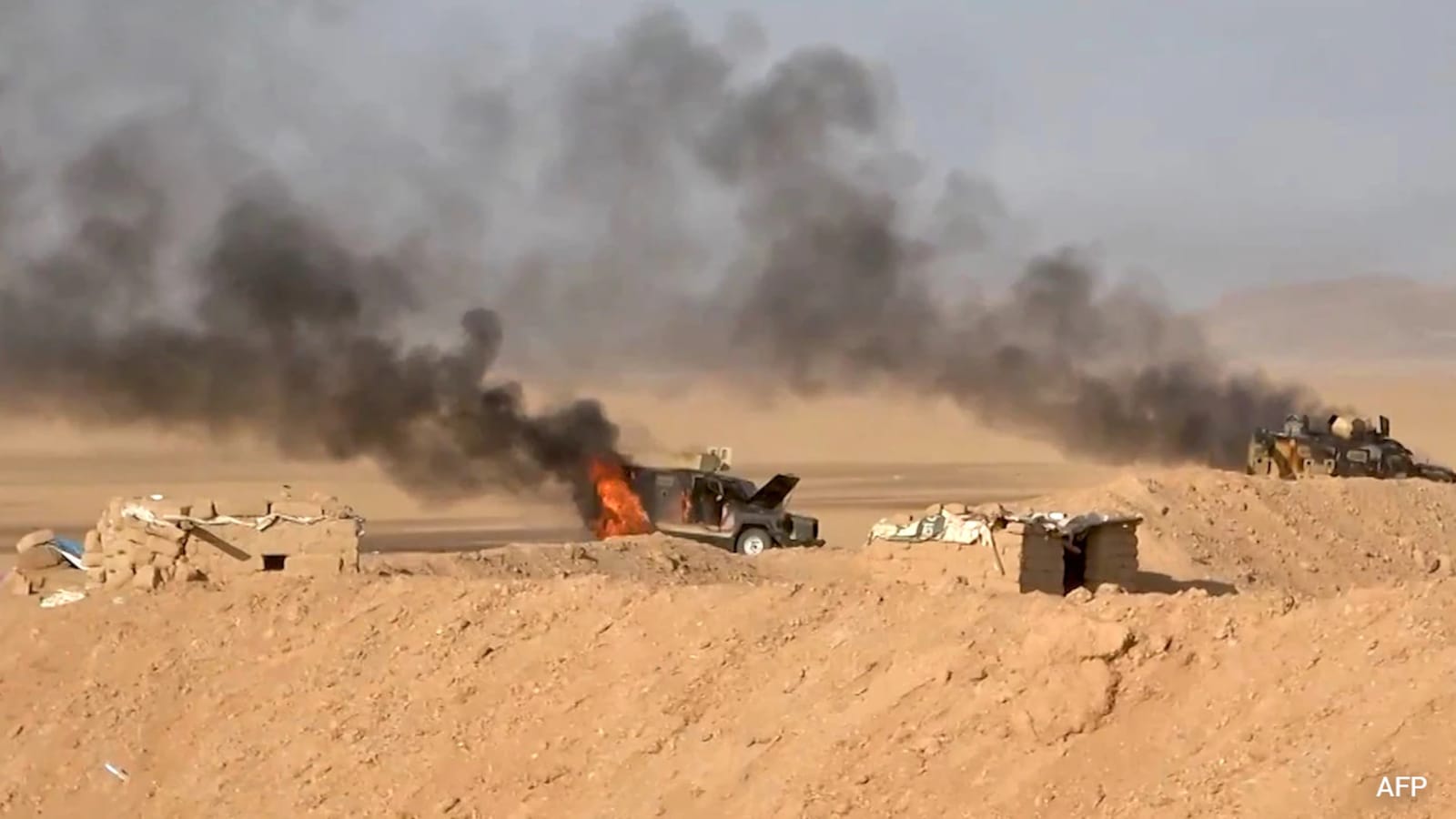
Saudi Arabia is worried because fighting in Yemen is moving closer to important sea routes.
The Houthis have advanced along Yemen’s Red Sea coast and toward the Bab al-Mandeb waterway.
This matters because another important route, the Strait of Hormuz, is already badly disrupted.
Saudi Arabia uses western ports and the East-West Pipeline as alternatives for moving energy.
But those alternatives are less useful if the Red Sea becomes unsafe.
Saudi leaders do not want to begin another long war in Yemen.
They also cannot easily ignore attacks on their cities, energy facilities, or shipping.
The article says diplomacy must address both Yemen’s internal problems and the wider disagreement between Saudi Arabia and Iran.
The crisis could make Saudi Arabia’s Vision 2030 economic plans harder to achieve.

Houthi advances along Yemen’s Red Sea coast, including the reported capture of Mocha, have increased concerns near Bab al-Mandeb.
The disruption of the Strait of Hormuz has made Saudi Arabia’s western ports and East-West Pipeline more strategically important.
Saudi Arabia faces pressure to deter attacks without returning to the costly, large-scale intervention that dominated its Yemen policy from 2015 to 2022.
The conflict threatens energy infrastructure, shipping routes, oil prices, insurance costs, and the stability goals of Vision 2030.
A lasting solution would require diplomacy addressing Houthi interests, Yemen’s internal divisions, and the wider Saudi-Iran rivalry.
- Who
- Saudi Arabia, the Houthi movement, Iran, and other actors involved in Yemen and the wider regional confrontation.
- What
- A renewed Yemen-related escalation is threatening Saudi territory, energy infrastructure, maritime routes, and economic plans.
- Where
- Yemen’s Red Sea coast, the Bab al-Mandeb, Saudi Arabia, and the wider routes connected to the Strait of Hormuz.
- When
- The current escalation follows the fragile calm after the 2022 United Nations-brokered truce and the regional upheaval after October 2023.
- Why
- Houthi advances and attacks are intersecting with the US-Iran confrontation, regional rivalry, and the security of energy corridors.
Renewed Military Pressure
Calibrated Diplomacy and Restraint
How Saudi Arabia should respond
Renewed Military Pressure
Saudi Arabia may need stronger military pressure to deter continuing attacks on its cities, energy infrastructure, and shipping.
Calibrated Diplomacy and Restraint
A major intervention could recreate the costly quagmire of the 2015–2022 war, deepen Saudi involvement, and increase civilian suffering.
How to understand the Houthi-Iran relationship
Renewed Military Pressure
Iranian support has made the Houthis part of a wider regional network capable of pressuring Saudi Arabia and maritime powers.
Calibrated Diplomacy and Restraint
The Houthis retain their own political, ideological, and territorial interests, so negotiations with Iran alone cannot resolve Yemen’s conflict.
Path to a settlement
Renewed Military Pressure
Security concerns may require imposing costs before political negotiations can succeed.
Calibrated Diplomacy and Restraint
A durable solution requires addressing Yemen’s unresolved political and economic issues rather than relying on another temporary ceasefire.
Key facts
- Main security concern
- Houthi advances toward the Bab al-Mandeb and attacks affecting Saudi territory and infrastructure.
- Strategic waterways
- The Strait of Hormuz and Bab al-Mandeb are both described as increasingly vulnerable.
- Saudi alternatives
- The East-West Pipeline and Red Sea ports such as Yanbu provide alternatives to routes through Hormuz.
- Conflict timeline
- Saudi Arabia’s large-scale Yemen intervention began in 2015, while relative calm followed a 2022 UN-brokered truce.
- Economic stakes
- The crisis could affect oil prices, shipping costs, insurance premiums, foreign investment, tourism, logistics, and Vision 2030.
- Diplomatic challenge
- A durable settlement would need to address salaries, ports, flights, economic resources, territorial administration, and Houthi-controlled areas.
Sources
Related news

Houthi Advances Raise Stakes Around Yemen’s Red Sea Coast

Houthi Capture of Mokha Raises Pressure on Saudi Arabia
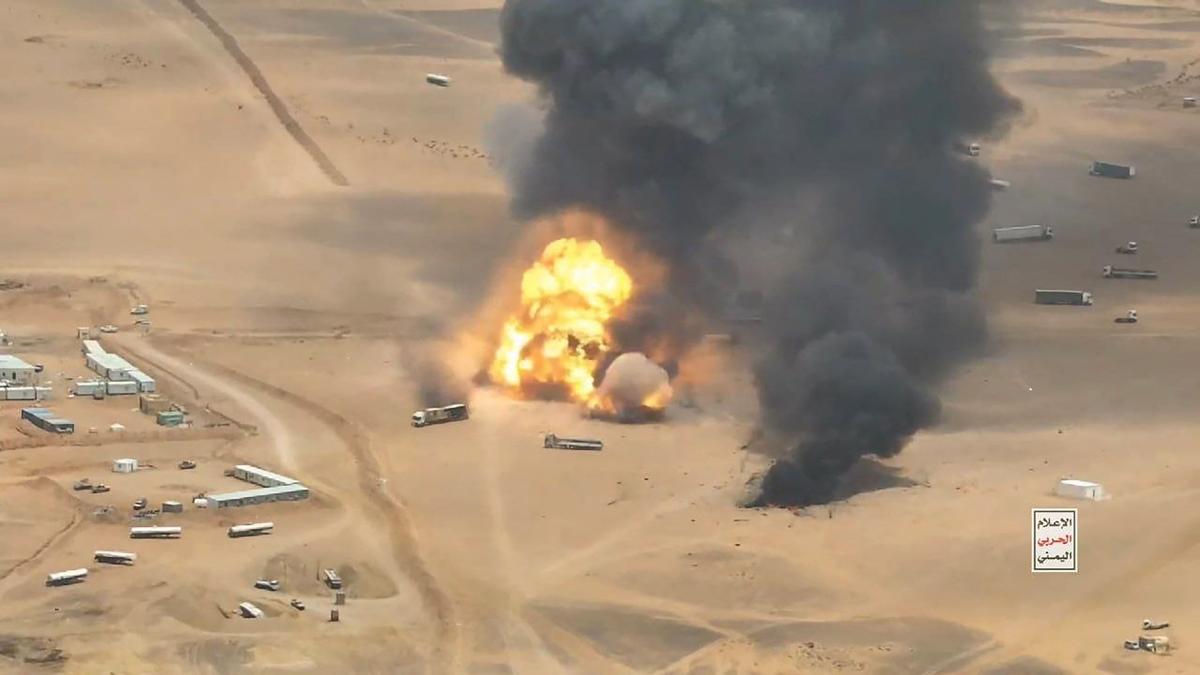
Houthi Attacks on Saudi Arabia Raise Fears of Regional War
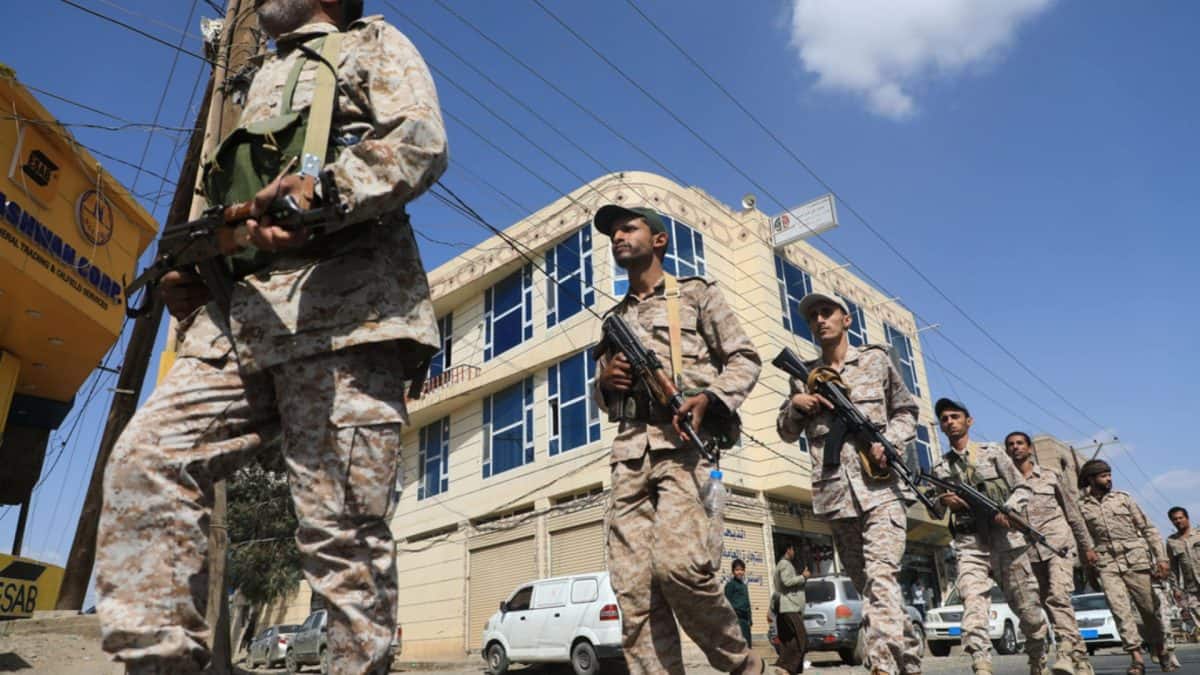
Houthi Advance Threatens Bab al-Mandab and Global Shipping

Houthis Near Control of Strategic Bab el-Mandeb Strait
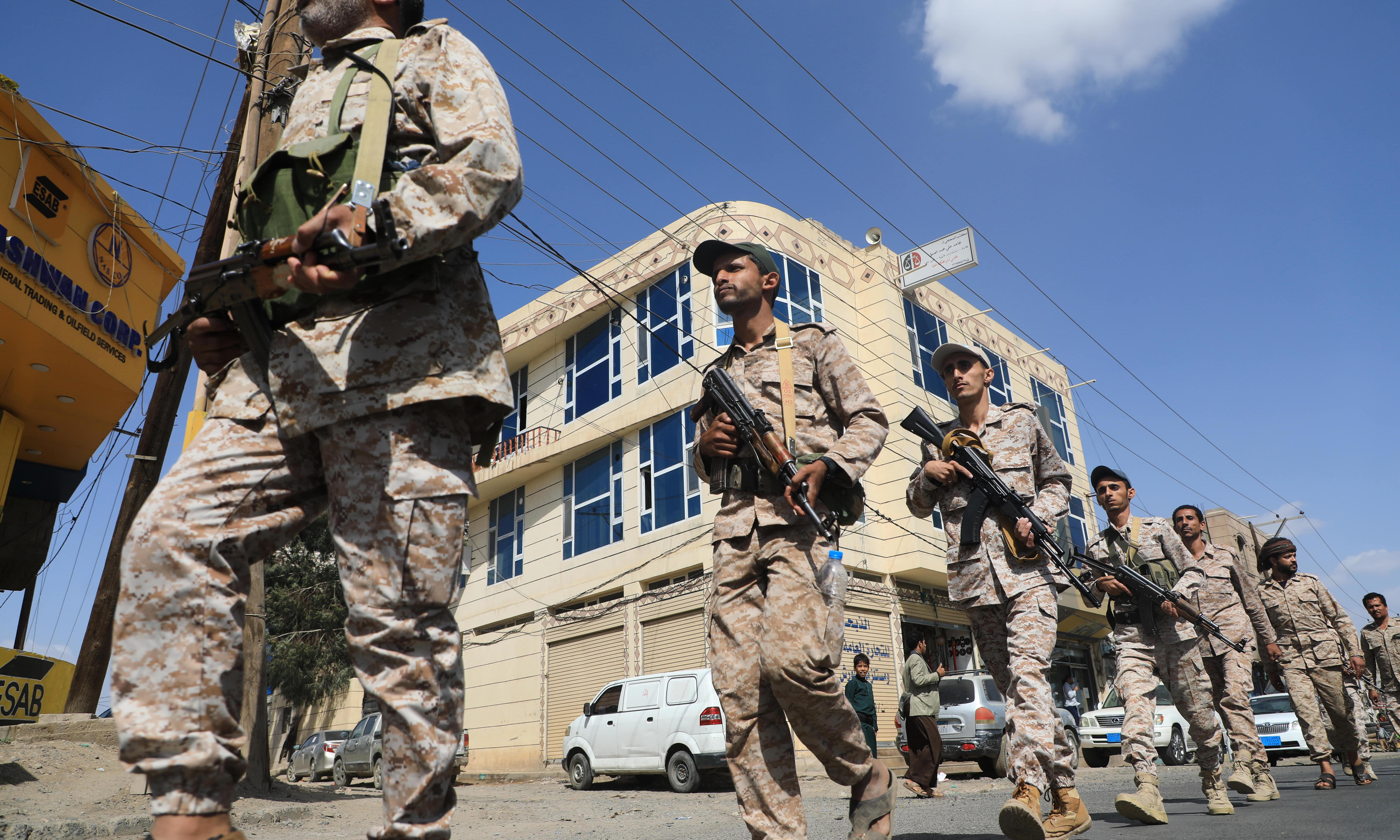
Houthis Seize Yemen’s Mocha, Raising Fresh Red Sea Shipping Risks

South Korea Rejects Troop Deployment Amid Trump’s Iran War Pressure
India Tells UN Commercial Ships Must Not Become Targets
Oil Prices Fall as Supply Disruption Fears Ease

Iran’s IRGC Strikes Togo-Flagged Tanker Over Strait Passage